
Last updated October 30, 2026
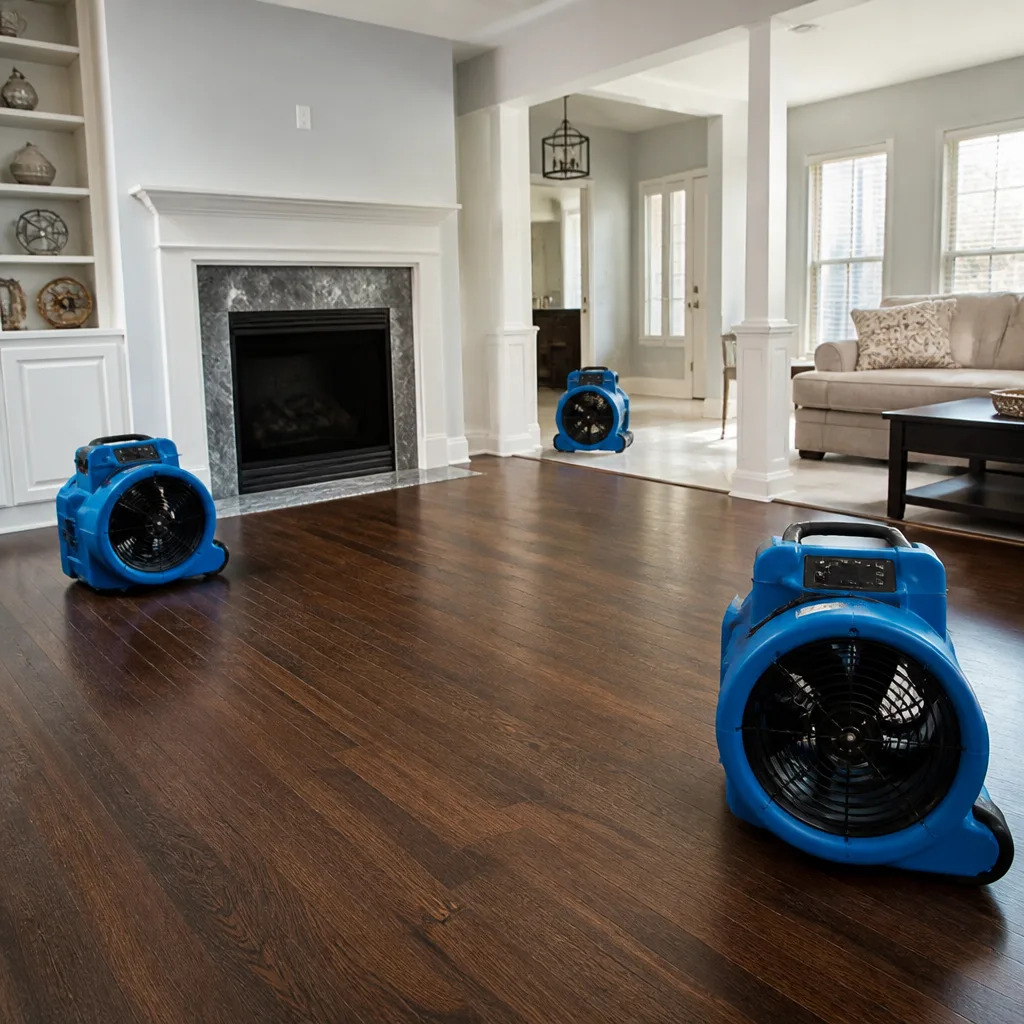 Water damage drying
 Fire & smoke cleanup
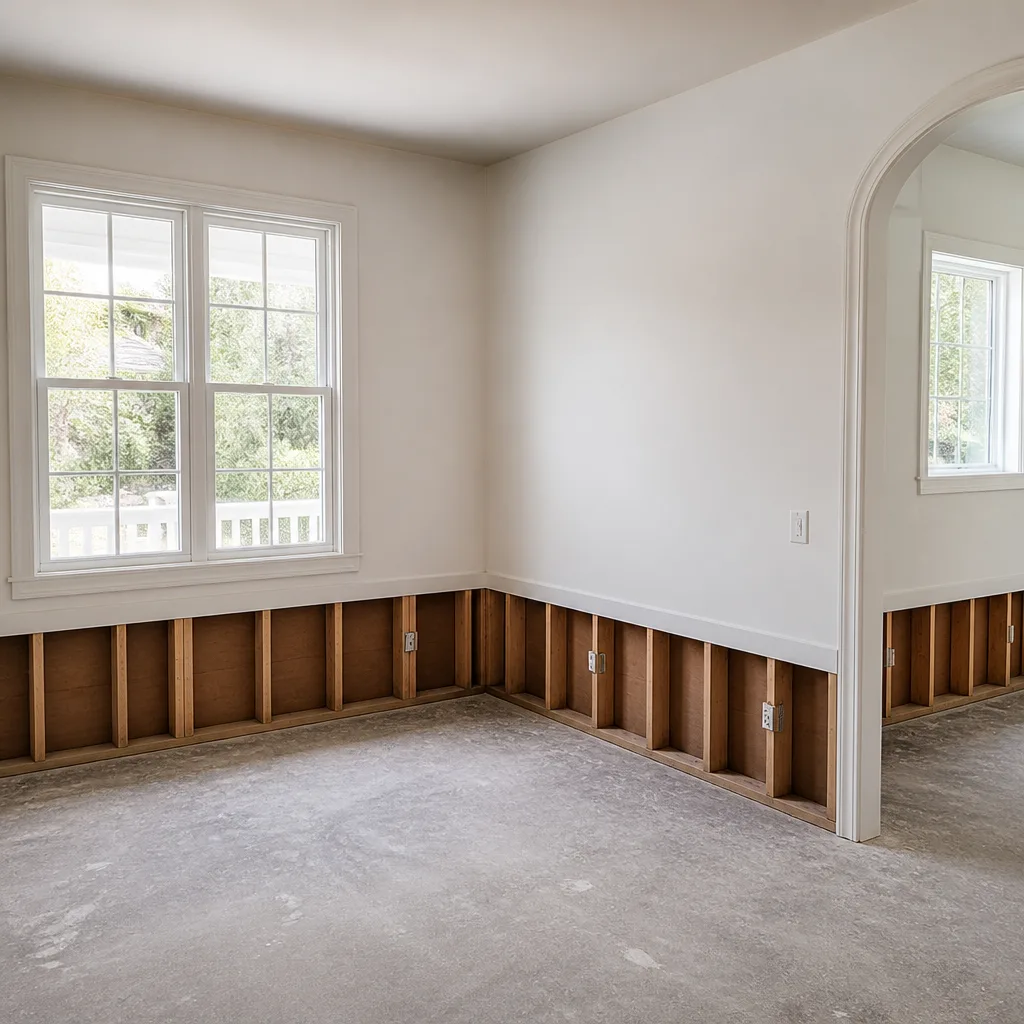 Mold remediation
 Storm response
 Sewage cleanup
 Reconstruction
Free visual inspection and a written scope of work before any mitigation begins - photos, moisture readings, and drying logs go in your claim file
The scope we write is the scope we bill. Anything new gets shown to you, in writing, before we touch it.
Get your free estimateThe Complete Guide to Damage Restoration in Costa Mesa
Most post-restoration mold claims we encounter in Costa Mesa aren’t caused by the original flood or fire. They’re caused by restoration that stopped one phase too early. A contractor dries the visible surfaces, collects a check, and leaves behind moisture trapped in wall cavities, under cabinetry, or inside structural framing. In Costa Mesa’s coastal humidity corridor, where ambient moisture levels hover high year-round, that error compounds faster than it would in Riverside or Temecula. This guide maps every phase of competent damage restoration, from the first emergency call through final clearance testing, so you understand what complete restoration actually looks like before you need it. For more detail, see The Complete Water Damage Restoration Guide for Costa Mesa Homeowners.
Restoration work we handle
Quick Answer
Damage restoration in Costa Mesa is a multi-phase technical process, not a single event: emergency mitigation stops active damage, remediation removes contamination, and reconstruction returns the property to pre-loss condition. Hiring a specialist who understands Orange County permit triggers, IICRC S500 drying standards adjusted for coastal humidity, and proper moisture clearance documentation is the difference between a clean recovery and secondary damage that surfaces months later. Oxford Restoration Co provides IICRC-certified water, mold, and fire restoration across Costa Mesa; call (877) 265-8058 for a free estimate.
Table of Contents
- Why Most Restoration Fails: The Phase Problem
- The Three Phases: Mitigation, Remediation, Reconstruction
- Water Damage Restoration: The Full Sequence
- Mold Remediation: Containment, Removal, Clearance
- Fire Damage Restoration: Smoke, Soot, and Structural Assessment
- How Costa Mesa’s Coastal Climate Changes Drying Math
- Documentation, Insurance, and Subrogation: What You Need
- Orange County Permit Triggers You Should Know
- What Real Moisture Clearance Looks Like
- Common Mistakes to Avoid
- When to Call a Professional
- Frequently Asked Questions
- The Bottom Line
Why Most Restoration Fails: The Phase Problem
Most Costa Mesa homeowners think of damage restoration as one job: something got wet or burned, someone comes, they fix it, done. That mental model is why so many homes in neighborhoods like Mesa Verde, Eastside Costa Mesa, and College Park develop secondary problems three to eight months after a “completed” restoration.
Restoration isn’t one job. It’s a sequence of technically distinct phases, each with its own standards, tools, and stopping criteria. When a contractor skips a phase or cuts it short, the damage doesn’t disappear. It migrates. Moisture trapped behind a wall doesn’t stay trapped; it feeds microbial growth, degrades drywall, warps framing, and eventually presents as a musty smell, a stain, or a failed paint job. In our experience, by the time a homeowner notices, the repair scope has grown well beyond what it would have been had the original job been completed correctly.
The basic phases are:
- Emergency mitigation: Stop water intrusion, extract standing water, remove saturated materials, set up drying equipment, secure the property.
- Remediation: Address contamination. For water, this means antimicrobial treatment and structural drying to a measurable standard. For mold, it means containment, source removal, and HEPA filtration. For fire, it means soot removal, deodorization, and residue neutralization.
- Reconstruction: Restore the property to its pre-loss condition. This includes drywall replacement, painting, flooring, trim, and any structural repairs triggered by damage.
Conflating these phases leads to the wrong kind of contractor for the wrong kind of work. A general contractor can handle reconstruction. Only a specialist should handle mitigation and remediation, because the mistakes there don’t show up for months. The Oxford Restoration Co home page explains our single-source model for water, mold, and fire work.
The Three Phases: Mitigation, Remediation, Reconstruction
Understanding what each phase is and isn’t will save you from hiring the wrong contractor and from accepting incomplete work. Here’s what each phase actually involves.
Phase 1: Emergency Mitigation
Mitigation is about stopping the bleeding. When water is actively flowing or spreading, the first job is to stop it at the source, extract what’s accessible, and create conditions where further damage slows or halts. For a Costa Mesa home with a burst supply line, that means shutting off the water main, extracting standing water with professional-grade equipment, removing saturated carpet pad and baseboards, and placing industrial air movers and dehumidifiers to begin drying the structure.
Mitigation is urgent. Left unmitigated, water spreads through capillary action into drywall, wicks up wall cavities, and travels under flooring. A Category 1 clean water leak becomes a Category 3 contaminated situation within 48 to 72 hours as microbes multiply. Speed matters, but so does judgment. Pulling too much material that could have been dried increases your reconstruction cost unnecessarily; pulling too little leaves contamination behind. See our Damage Restoration Cost Breakdown: The Costa Mesa Homeowner’s Reference for 2026 for typical cost ranges.
We use Dri-Eaz and Phoenix extraction and drying systems for mitigation work because they’re engineered for continuous commercial-grade operation, not intermittent homeowner use. Injectidry systems allow us to dry inside wall cavities without tearing out drywall in many cases, which reduces the eventual reconstruction scope and cost.
Phase 2: Remediation
Remediation is contamination management. It’s governed by IICRC standards: S500 for water damage, S520 for mold, and S540 for biohazard. Remediation includes antimicrobial application, controlled demolition of non-salvageable materials, HEPA air scrubbing, and careful handling of affected materials to prevent cross-contamination to clean areas of the house.
For mold, remediation means more than spraying bleach on visible growth. Bleach doesn’t kill mold on porous surfaces; it bleaches the color while leaving roots alive in the material. Proper remediation removes affected materials or physically cleans them, filters the air to capture airborne spores, and verifies that the source of moisture has been eliminated before containment is lifted.
Phase 3: Reconstruction
Reconstruction is the return to pre-loss condition. It’s drywall, texture, paint, flooring, cabinetry, and trim. It’s what most people picture when they think of restoration. But reconstruction without proper mitigation and remediation is just concealing a problem behind new materials. In Costa Mesa, where coastal humidity keeps building materials at elevated moisture equilibrium, reconstruction needs to happen only after the structure has genuinely dried and been cleared.
For more on how these phases apply to water specifically, see our Water Damage Restoration in Lakeview guide.
Water Damage Restoration: The Full Sequence
Water damage is the most common restoration call in Costa Mesa, driven by burst supply lines, water heater failures, dishwasher hose ruptures, and the occasional storm surge or clogged drainage system. A complete water damage restoration sequence follows these steps.
- Assessment and classification: The restoration team identifies the water source, classifies it by contamination level (Category 1 clean, Category 2 gray, Category 3 black), and maps the affected area. In Costa Mesa, this mapping must account for the home’s construction type: slab-on-grade homes in neighborhoods like Freedom Homes dry differently from raised foundation homes in the historic districts.
- Source control: Stop the water at its source. This may mean turning off a main, plugging a leak, or coordinating with the city utility if the issue is at the meter.
- Extraction: Remove standing water using truck-mounted or portable extraction units. The goal is to remove as much water as possible before drying equipment is placed, because air movement alone can’t remove bulk water efficiently.
- Removal of non-salvageable materials: Saturated carpet pad, baseboards, and often the bottom 12 to 24 inches of gypsum drywall are removed. Drywall that has wicked water will hold moisture and degrade even after surface drying.
- Structural drying: Industrial air movers and dehumidifiers are placed according to IICRC S500 principles. In Costa Mesa’s ambient conditions, this typically runs three to five days for a standard interior leak, longer if walls or subfloor are involved.
- Antimicrobial application: Once materials are dry, affected surfaces are treated to prevent microbial growth.
- Moisture clearance verification: The team takes moisture readings and confirms the structure meets dry standards before reconstruction begins.
Each step generates documentation that matters for your insurance claim and for any future property sale. Skipping step seven is the single most common cause of the secondary damage we described earlier.
Mold Remediation: Containment, Removal, Clearance
Mold remediation in Costa Mesa is a specialized discipline because the coastal environment creates persistent moisture conditions that favor mold growth. A home that wouldn’t grow mold in the Inland Empire will grow mold here, simply because the ambient relative humidity is higher and the marine layer holds moisture near the ground for hours each morning.
Competent mold remediation follows a strict sequence:
- Containment: The affected area is sealed with polyethylene sheeting and negative air pressure is established using HEPA-filtered air scrubbers. This prevents mold spores from spreading to unaffected rooms during removal work. In occupied homes, containment is the difference between a contained project and a whole-house spore problem.
- HEPA air filtration: Air scrubbers run continuously throughout the remediation, capturing airborne spores and other particulates. We run Dri-Eaz and B-Air HEPA units for this purpose; they’re built for continuous operation and have the filtration specs the job requires.
- Source removal: Mold-affected porous materials (drywall, insulation, carpet, ceiling tiles) are removed in sealed bags. Non-porous surfaces (studs, concrete, tile) are physically cleaned with wire brushes, HEPA vacuums, and antimicrobial treatments. The goal is actual removal, not just surface treatment.
- Moisture source elimination: The underlying cause of the mold, whether a slow leak, a humidity problem, or a drainage issue, must be fixed. Without this, remediation is temporary.
- Clearance testing: After remediation, a third-party environmental hygienist performs clearance testing in many cases. Air samples inside the containment area are compared to outdoor baseline samples. Clearance requires the indoor spore counts to be within normal ranges for the species present, indicating successful removal and filtration.
Our Mold Remediation in Lakeview page covers the local context and process in more detail.
Fire Damage Restoration: Smoke, Soot, and Structural Assessment
Fire damage in Costa Mesa ranges from kitchen grease fires that smoke up the house to structural fires that compromise framing and require significant reconstruction. The restoration sequence is driven by two things: the residue left behind by smoke and soot, and the structural integrity of affected building components.
The process typically includes:
- Structural assessment: Before any cleanup begins, the structure must be evaluated for integrity. Fire-weakened framing, compromised roof sheathing, and damaged electrical wiring all require immediate attention. In Orange County, this assessment often coordinates with local building officials if the damage affects load-bearing components.
- Securing the property: Board-up, tarping, and securing entry points prevent further damage from weather, vandalism, or animals.
- Soot and smoke residue evaluation: Different fires produce different residues. A protein fire from cooking produces a thin, nearly invisible residue that’s extremely difficult to remove. A wood fire produces visible soot. A plastic or synthetic fire produces a greasy, acidic residue that corrodes metal surfaces quickly. The cleaning approach changes based on residue type.
- Pack-out and content cleaning: Salvageable contents are packed out, inventoried, cleaned, and stored until the structure is ready for them. Items like electronics require specialized handling to prevent corrosion damage from acidic residues.
- Structural cleaning and deodorization: All affected surfaces are cleaned, often using HEPA vacuuming, chemical sponges, and wet cleaning. Odor removal typically requires ozone, hydroxyl, or thermal fogging, depending on the residue type and the materials affected.
- Reconstruction: Fire-damaged framing, drywall, roofing, and finishes are replaced to return the property to pre-loss condition.
See Fire Damage Restoration in Lakeview for more detail on our fire-specific process.
How Costa Mesa’s Coastal Climate Changes Drying Math
Drying a structure in Costa Mesa isn’t the same as drying one in Palm Springs or Las Vegas. The physics are different, and anyone who ignores local ambient conditions is guessing.
Costa Mesa sits in a coastal microclimate where the marine layer typically rolls in overnight and burns off by mid-morning. That means relative humidity in the early morning regularly reaches 70 to 80 percent, even on sunny days. The IICRC S500 standard provides a baseline for drying environments, but a competent restorer adjusts for local conditions. In high-humidity environments, dehumidification must do more of the drying work because natural evaporation is slower when the air is already moisture-laden.
What this means practically:
- Drying timelines run longer in Costa Mesa than in drier inland areas. A wall cavity that dries in three days in Riverside may take five days here.
- Dehumidifier capacity needs to be sized for the ambient humidity, not just the water event itself. Undersized equipment means extended drying times and increased microbial risk.
- Moisture readings need to be interpreted against baseline readings from unaffected areas of the same structure. A reading that would be “dry” in Scottsdale may be elevated for Costa Mesa construction materials that have been in equilibrium with humid air.
- Injectidry cavity-drying systems matter more in humid climates because they force dry air into enclosed spaces rather than relying on ambient evaporation through permeable materials.
The summary: don’t accept drying timelines or equipment setups quoted from standard tables without adjustment for Costa Mesa’s actual ambient conditions. A specialist who works in this climate daily knows the difference.
Documentation, Insurance, and Subrogation: What You Need
Insurance is in the room on almost every Costa Mesa damage restoration project, whether you realize it or not. Your property insurer may be paying the claim directly, or a responsible third party’s insurer may be involved. Either way, documentation quality determines whether you get paid, how much you get paid, and whether you can sell the property later without explaining away a gap in the history.
What documentation should be generated at each phase:
- At loss: Photos and video of the damage before any cleanup begins. This is your evidence of what actually happened. Shoot wide shots showing the full extent, then close-ups of specific damaged materials.
- During mitigation: A written mitigation plan that identifies affected areas, the equipment to be deployed, and the anticipated drying timeline. Your restorer should document daily moisture readings and equipment placement.
- During remediation: Photos of contained work areas, removed materials, and treated surfaces. If mold is involved, documentation of containment integrity matters for liability protection.
- At clearance: Final moisture readings, clearance testing results if applicable, and a written completion report stating that the structure meets dry standard.
- During reconstruction: Scope of work, material selections, and completion documentation matching the original damage.
For insurance subrogation, where your insurer pursues a responsible third party, the documentation chain matters. A detailed construction report from a certified restorer carries more weight than a handyman’s one-line invoice. Oxford Restoration Co provides photo-documented assessments and written scopes before work begins, and we coordinate directly with adjusters throughout the process.
Orange County Permit Triggers You Should Know
Not every restoration job requires a permit, but some do, and doing unpermitted structural work in Costa Mesa creates problems at resale and with insurance. Here’s what triggers permit requirements in Orange County when structural members are affected by water or fire.
- Structural framing repair or replacement: If load-bearing walls, floor joists, rafters, or foundation elements are damaged and need repair, a building permit is typically required. The city of Costa Mesa building department reviews structural work to confirm it meets current code.
- Electrical work: If wiring, panels, or fixtures are damaged by water or fire, electrical permits are triggered. This often requires a licensed electrician and inspection.
- Plumbing work: Repairing or replacing damaged supply lines, drain lines, or water heaters typically requires a plumbing permit in Costa Mesa.
- Mechanical or HVAC work: If fire or water damages the furnace, AC, or ductwork, permits may be required for replacement or significant repair.
- Roof structural changes: Fire damage to roof framing or sheathing triggers permitting and inspection requirements.
A competent restoration company knows which work triggers permits and coordinates the process. A contractor who suggests skipping permits to “save time and money” is setting you up for future problems at sale and with your insurer. The IICRC-certified process we follow at Oxford Restoration Co includes proper permitting when structural work is involved.
What Real Moisture Clearance Looks Like
“Dry to the touch” is not a clearance standard. It’s a hand test, and hands can’t measure moisture content inside a wall cavity. Yet we regularly encounter Costa Mesa homes where the previous “restoration” ended when the visible surfaces felt dry, leaving hidden moisture in framing and insulation.
Real moisture clearance involves:
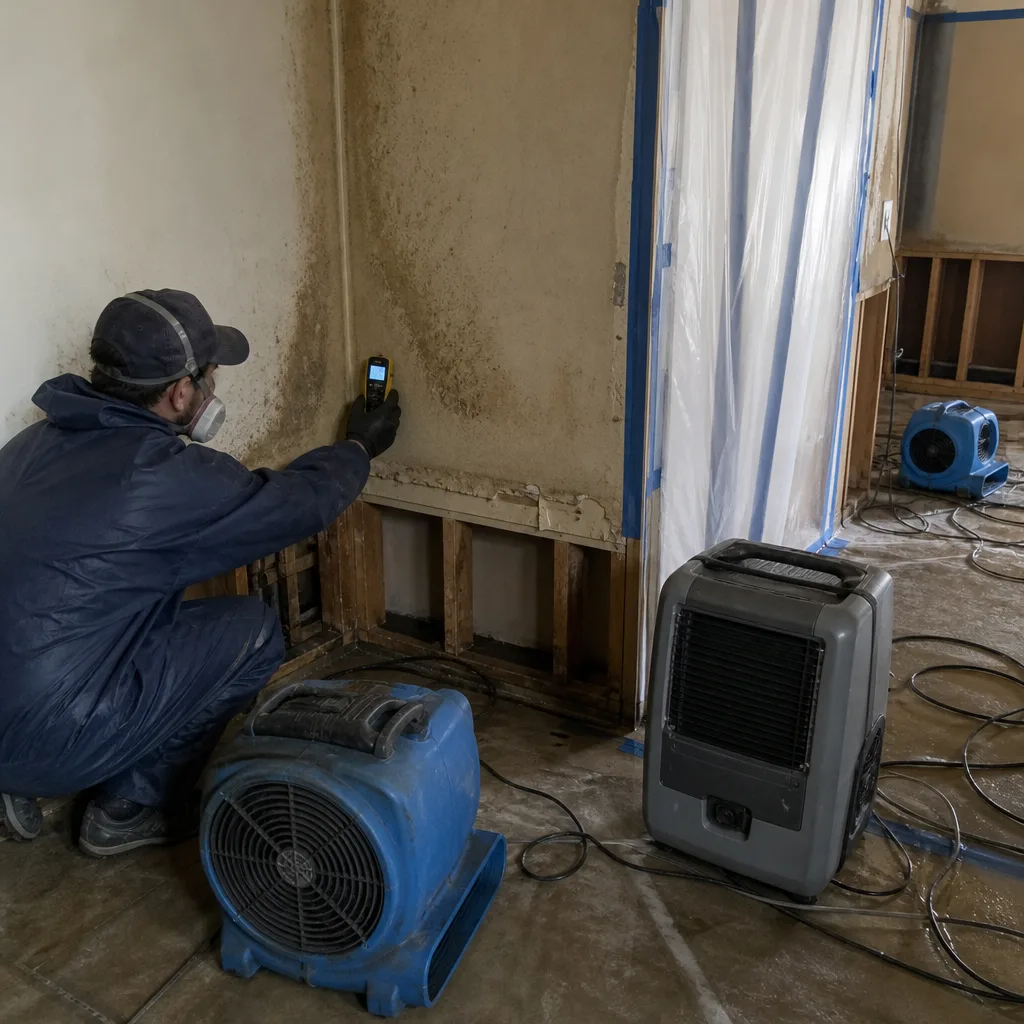
- Moisture meters: A pin-type or pinless moisture meter gives numeric readings for building materials. On a scale where 0 to 100 percent is possible, dry wood typically reads 6 to 12 percent depending on the species and ambient conditions. Drywall should read below 1 percent on the reference scale used by most professionals.
- Invasive probes: Wall cavities and subfloor areas are checked using probe meters that reach into concealed spaces. This is how you confirm what’s happening behind the surface.
- Comparison readings: The affected area is compared to an unaffected baseline area in the same structure. If the affected wall reads 18 percent moisture and a dry wall reads 8 percent, you’re not done.
- Drying confirmation: Once readings match the baseline, the drying goal has been achieved and the structure is ready for reconstruction.
If your restorer can’t produce numeric moisture readings before, during, and after drying, the job isn’t complete. This documentation is also essential for insurance claims and for demonstrating that the home has been properly dried if questions come up later.
Common Mistakes to Avoid
- Waiting to call after a water event: The longer water sits, the more materials it affects and the more likely Category 1 water becomes Category 2 or 3. Extraction should happen within hours, not days.
- Using consumer fans and dehumidifiers: These units don’t produce the air movement or moisture removal rates needed for structural drying. The result is a surface that feels dry while the structure behind it stays wet.
- Skipping containment during mold work: Disturbing mold without proper containment spreads spores throughout the house. This converts a small problem into a whole-house problem.
- Accepting “dry to the touch” as a standard: As discussed earlier, this isn’t a clearance standard and it leaves hidden moisture in place.
- Replacing drywall without treating the studs behind it: If framing has been wet, it needs antimicrobial treatment before new drywall goes up. Otherwise, you’re sealing contamination inside the wall.
- Not addressing the moisture source: Fixing the damage without fixing the source of the water or humidity means the problem will return. In Costa Mesa, this often means addressing drainage, grading, or persistent humidity issues.
- Hiring a general contractor for mitigation or remediation: General contractors are excellent at reconstruction, but mitigation and remediation require specialized equipment, training, and certification that most general contractors don’t have.
When to Call a Professional
Call a professional immediately for any of these situations: standing water that extends beyond a single contained area, water that has wicked into walls or under flooring, a sewage backup of any size, visible mold growth larger than about 10 square feet, a fire of any size that produced smoke damage, or any water event where the source is inside a wall or ceiling. The damage in these scenarios spreads in hours and days, not weeks. The cost of professional mitigation is typically far lower than the cost of reconstruction after delayed response. Oxford Restoration Co offers free estimates in Costa Mesa; call (877) 265-8058 for an assessment.
Frequently Asked Questions
Water damage mitigation in Costa Mesa typically runs $3,000 to $7,000 for a standard interior leak, while complete mold remediation averages $4,000 to $10,000 depending on containment complexity and affected area size. Fire damage restoration covers a wider range, from about $5,000 for smoke cleanup to $50,000 or more for structural work. These figures are heavily dependent on your specific loss; call (877) 265-8058 for an exact quote after an assessment.
The drying phase for a standard Costa Mesa interior water event typically takes three to five days, but the complete restoration cycle, including reconstruction, often runs two to four weeks. Drying takes longer in Costa Mesa than in inland Orange County because coastal humidity slows evaporation rates, requiring more dehumidification capacity.
Most homeowner policies cover water damage from sudden and accidental causes, like a burst supply line or water heater failure, but exclude damage from gradual leaks or poor maintenance. Fire damage is generally covered. Mold coverage varies by policy and is often limited to cases where the mold results from a covered water event. Your restoration provider should document everything and coordinate with your adjuster.
If visible mold affects more than about 10 square feet, or if you can smell mold but can’t see the source, professional remediation with containment is the right call. Surface cleaning without addressing the moisture source and the hidden growth behind walls simply postpones the problem. In Costa Mesa’s humidity, that postponement is usually shorter than in drier climates.
A full-service restoration provider should handle adjuster coordination for you, including providing photo documentation, scopes of work, and daily drying logs. This removes the burden of translating restoration technicalities to your insurer and helps ensure the claim reflects the actual work required.
Mitigation stops active damage, like extracting water and setting up drying equipment. Remediation removes contamination, like mold spores, bacteria, or fire residues, and verifies the area is clean before reconstruction. Both are necessary for complete restoration; doing one without the other leaves the property vulnerable.
The Bottom Line
Damage restoration in Costa Mesa is a process with defined phases, measurable outcomes, and local variables that matter. The coastal climate extends drying times. Orange County permit triggers affect structural work. Moisture clearance standards are numeric, not tactile. Understanding these elements before you need them means you’ll be able to evaluate contractors, ask the right questions, and ensure the job is done to the standard your property deserves. For additional preparation, review our Damage Restoration Emergency Preparedness Guide for Costa Mesa Homes. A specialist who follows IICRC standards, uses industrial equipment, and documents every phase will cost more than a generalist, but the alternative is paying for the same work twice.
Written by the team at Oxford Restoration Co, serving Costa Mesa since 2011. Explore more guides & resources on our blog.
See the difference
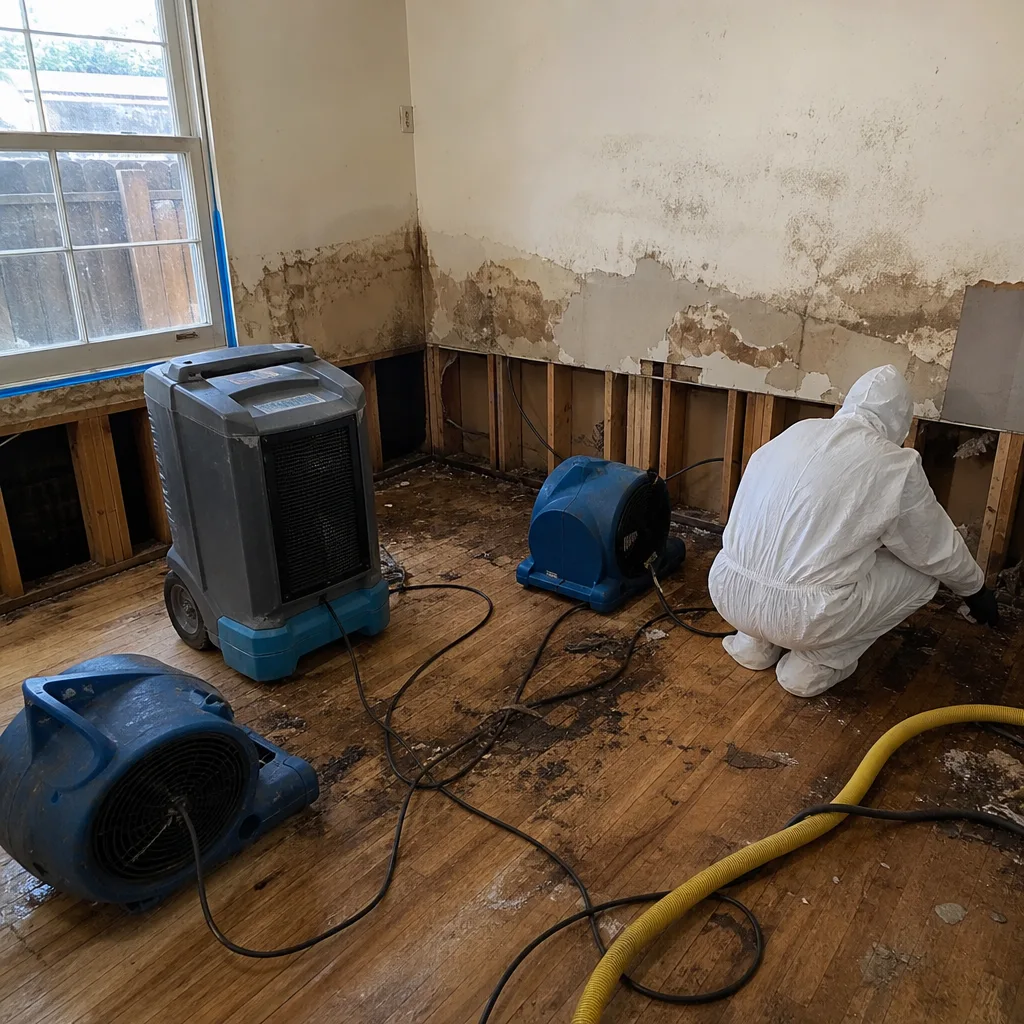 Before
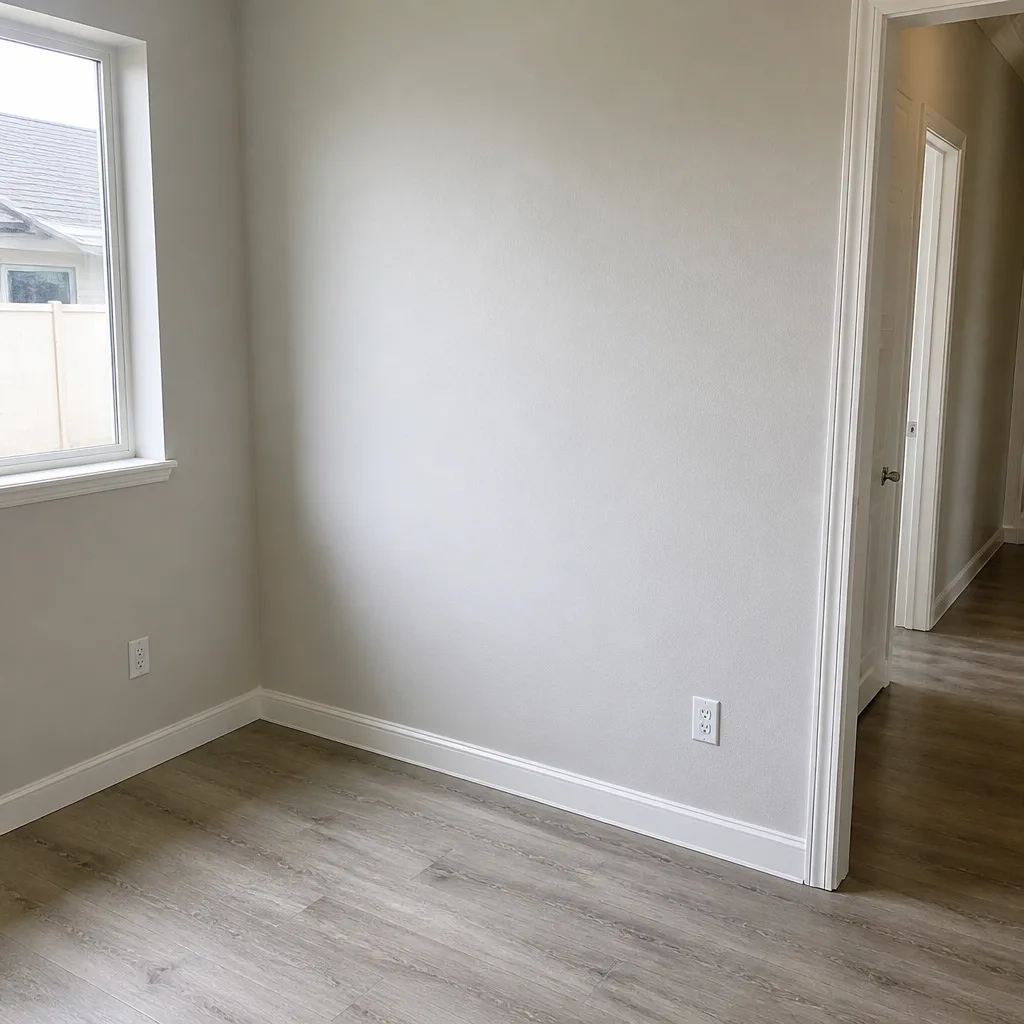 After
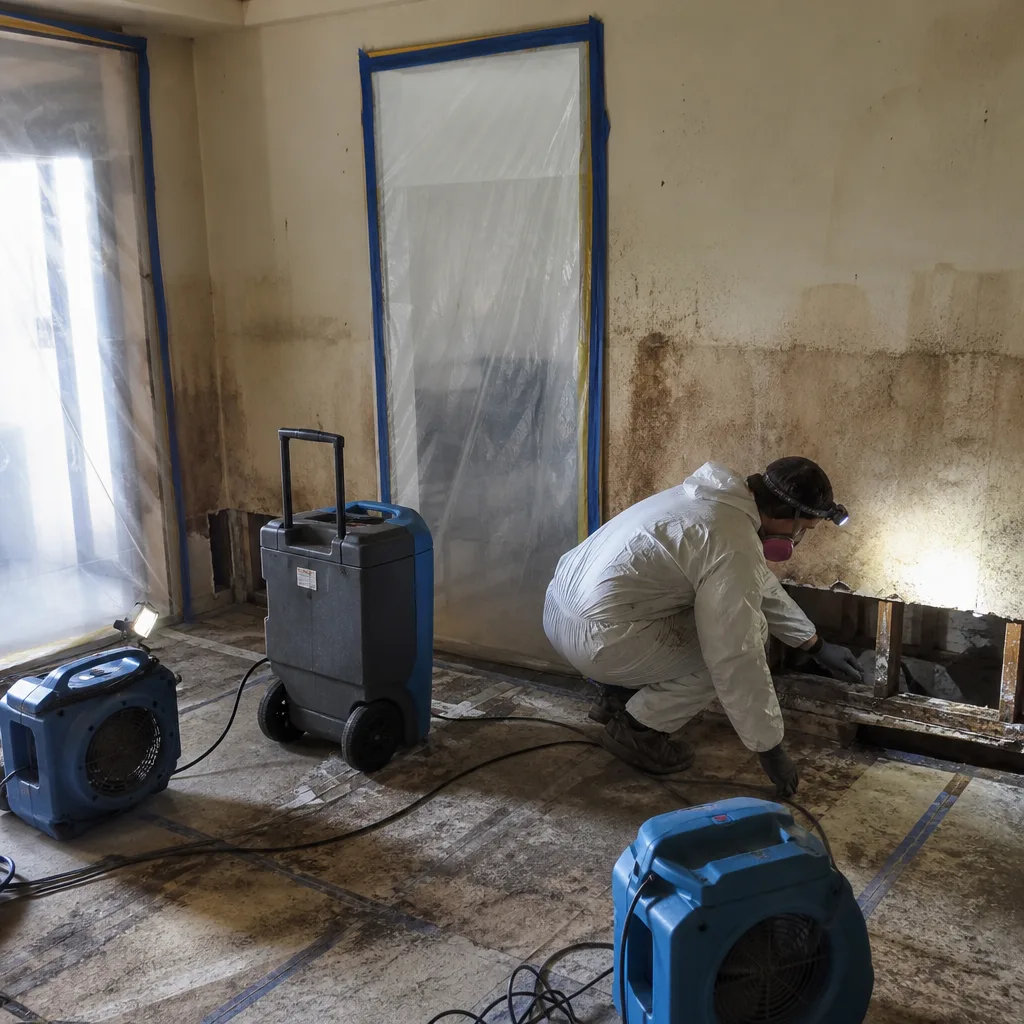 Before
 After
 Before
 After