
Last updated October 30, 2026
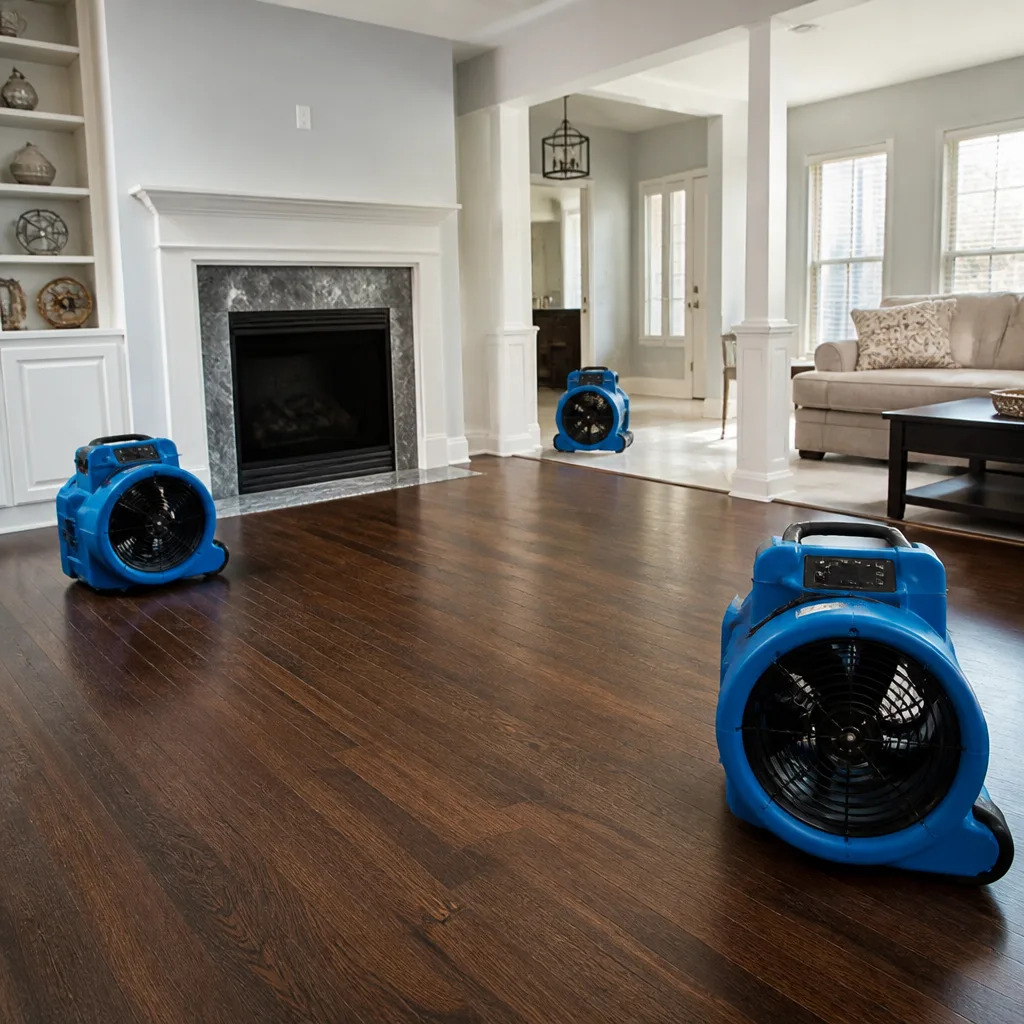 Water damage drying
 Fire & smoke cleanup
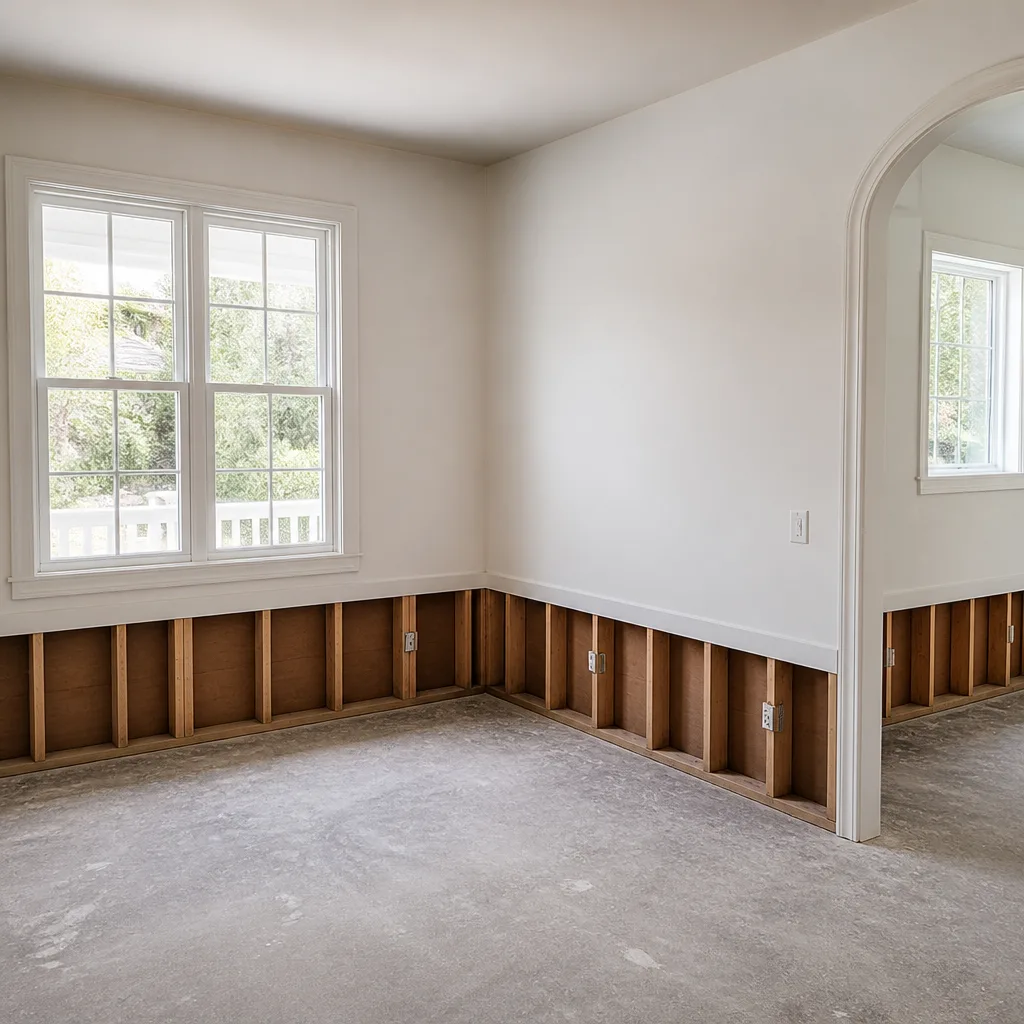 Mold remediation
 Storm response
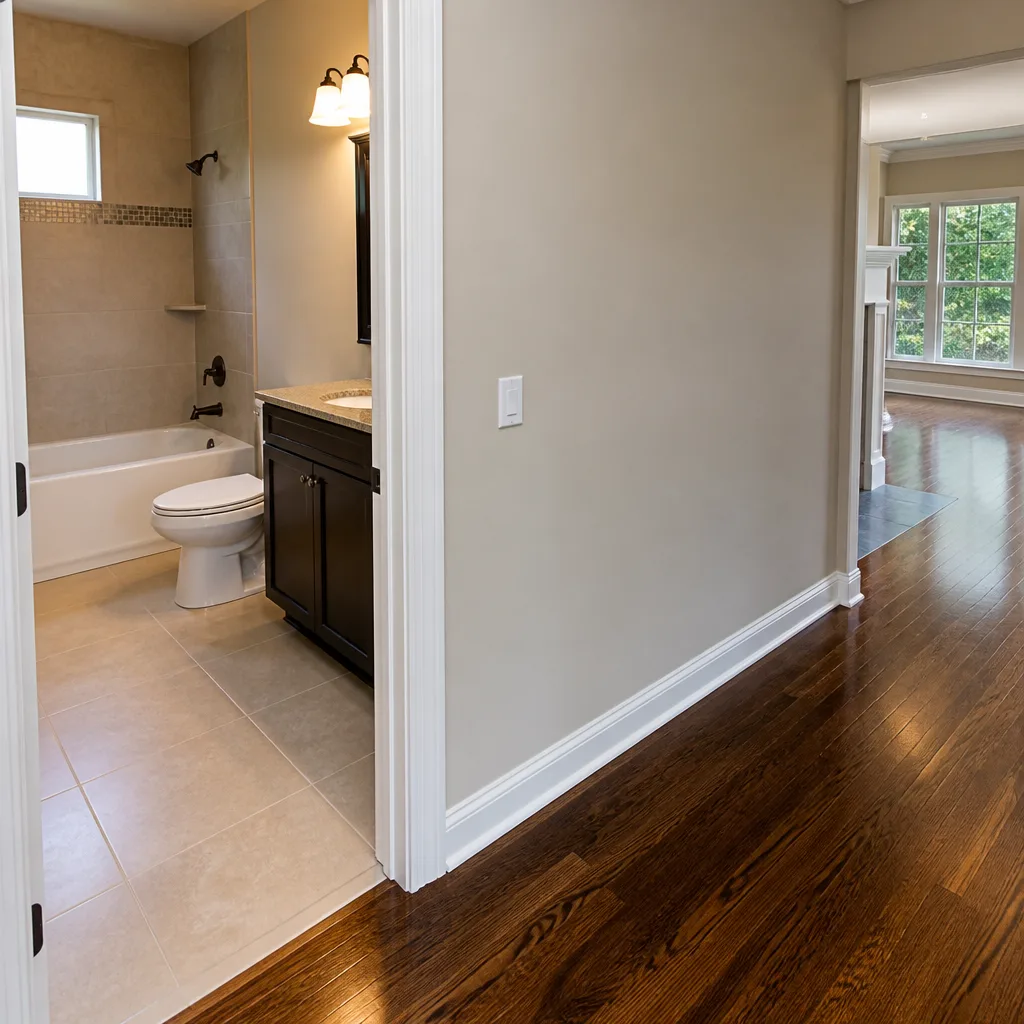 Sewage cleanup
 Reconstruction
Free visual inspection and a written scope of work before any mitigation begins - photos, moisture readings, and drying logs go in your claim file
The scope we write is the scope we bill. Anything new gets shown to you, in writing, before we touch it.
Get your free estimateDamage Restoration Emergency Preparedness Guide for Costa Mesa Homes
When a supply line bursts at 2 a.m. in a Costa Mesa home, the damage is not measured by the minutes it takes water to pool on the floor. It is measured by how long that water remains in contact with drywall, subfloor, and framing. Most homeowners lose 20 to 40 minutes in the dark looking for the main shutoff, fumbling for the insurance policy number, and searching online for a contractor who can actually respond. In those minutes, water migrates through wall cavities, wicks up drywall, and saturates the insulation in a slab foundation home or the subfloor of a two-story wood frame house. This guide is not about building a general disaster kit. It is about building a restore-ready dossier for your specific Costa Mesa property, so that when loss occurs, your response time shrinks from hours to minutes, and the restoration scope shrinks with it.
Quick Answer
Emergency preparedness for damage restoration means compiling a property-specific file before loss occurs: a utility shutoff map for your exact home configuration, a photo-documented pre-loss inventory, your insurance declarations page, and the after-hours line for a restoration contractor who already knows your property. Costa Mesa homeowners who complete this 90-minute exercise typically reduce water and fire damage scope by 20 to 40 percent, because they eliminate the delays that allow damage to spread while they search for information under stress.
Restoration work we handle
Table of Contents
- The Restoration-Ready File: What to Compile Now
- The Utility Shutoff Map: Costa Mesa Housing Configurations
- Pre-Loss Documentation: Photographing Your Home for Claims
- The First Hour: What to Do and What Not to Do
- Why a Pre-Established Contractor Relationship Matters
- Water Damage Specifics: What Spreads and What Doesn’t
- Mold and Fire Readiness: The Overlooked Threats
- Common Mistakes to Avoid
- When to Call a Professional
- Frequently Asked Questions
The Restoration-Ready File: What to Compile Now
The core of restoration preparedness is not a bag of supplies. It is a slim, organized file that a restoration contractor can act on immediately. When a Costa Mesa homeowner calls us after a loss, the first questions we ask are the same questions every adjuster will ask: Where is the water coming from? Has the source been stopped? What is the policy number? Is there pre-loss documentation? The faster you can answer those questions, the faster a crew can be dispatched and the faster the drying process begins.
Create a physical folder or a clearly labeled digital file that contains these items:
- Insurance declarations page: The full policy number, coverage limits for water and fire damage, deductible amount, and the claims reporting line. Store a printed copy in a zippered bag near your electrical panel and a digital copy on your phone.
- Your adjuster’s contact information: If you have worked with an adjuster before, keep their direct line. If not, keep the claims reporting number from your declarations page.
- Plumber’s after-hours line: Water damage mitigation cannot begin until the source is stopped. A plumber who can shut off or repair a failing supply line at night is the first call in most water events. Keep this number saved in your phone and written in the folder.
- Restoration contractor’s after-hours line: A contractor who answers the phone at night and can dispatch a crew is the difference between a contained loss and a full-scale remediation. Do not rely on a web search at 2 a.m.
- Pre-loss photo documentation: A room-by-room visual record of your home’s condition before damage. This is covered in depth below.
- Flooring and finish inventory: A written list of flooring materials, paint colors, tile types, and fixture grades in each room. This helps establish replacement value and prevents adjuster disputes over what existed before the loss.
The act of compiling this file forces you to confront your home’s specific vulnerabilities. A Costa Mesa home built in the 1960s on a slab foundation has different shutoff locations and moisture risks than a 1990s two-story wood frame house. The file is useless if it is generic. Make it specific to your address.
If you already have a relationship with a restoration contractor, add their name and direct line to this file. If you do not, this guide will help you understand what to look for and why choosing before the emergency matters. A company like Oxford Restoration Co home maintains after-hours dispatch lines precisely because Costa Mesa water events rarely happen during business hours.
The Utility Shutoff Map: Costa Mesa Housing Configurations
Every Costa Mesa homeowner believes they know where their water main shutoff is located. In our experience, about half of them are wrong under stress. The valve is often buried in a planter, hidden behind stored items in a garage, or located in a side yard behind a gate that has not been opened in years. A 20-minute search for a shutoff while water flows is the single most avoidable source of expanded damage scope.
Do not just know where the shutoff is. Walk to it. Touch it. Verify it turns. Then document it with a photograph and a written description stored in your restoration-ready file. Do this for every utility that matters in a damage event.
Costa Mesa’s housing stock falls into three primary configurations, each with distinct shutoff locations:
- Slab foundation homes: Common in older Costa Mesa neighborhoods, these homes have water supply lines running through or under the concrete slab. The main shutoff is typically located at the street-side meter box or on an exterior wall where the supply line enters the home. Under-slab leaks are particularly damaging because water travels upward through the slab and saturates flooring and baseboards from below. Knowing the shutoff location is critical because under-slab leaks can run for days before visible signs appear.
- Two-story wood frame homes: These homes often have a main shutoff near the water heater or where the supply line enters from the street. The second-story plumbing is the risk point: a supply line failure on the second floor sends water down through ceilings, wall cavities, and subfloor before it ever reaches the first floor. Shutting off the main quickly prevents a second-story leak from becoming a whole-house event.
- Attached condos and townhomes: Shutoff locations vary by HOA and building design. Some units have individual shutoffs in a garage or utility closet. Others share a main shutoff controlled by the HOA. Costa Mesa condo owners should verify their individual shutoff location and post the HOA’s emergency maintenance line in their restoration-ready file. A unit owner who cannot shut off their own water during a leak is entirely dependent on HOA response time.
Beyond water, map your electrical panel and gas shutoff. Fire damage restoration often begins with securing the electrical system. Gas leaks after earthquakes or structural damage require a gas shutoff you can reach without tools. Walk each location, photograph it, and write down its exact position relative to landmarks in your home: “Main water shutoff is on the east side of the house, behind the side gate, next to the AC condenser unit.” That sentence, written in a file you can access on your phone, saves 20 minutes in the middle of the night.
Pre-Loss Documentation: Photographing Your Home for Claims
The most common insurance dispute in damage restoration is not about coverage. It is about what existed before the loss. An adjuster who never saw your home before the pipe burst is working from your verbal description and whatever receipts you can produce. A homeowner with room-by-room pre-loss photographs has an entirely different negotiation position.
This documentation should be done methodically, not casually. A quick phone video walkthrough helps, but static photographs organized by room are far more useful when you need to pull up a specific image for an adjuster or restoration contractor. The process takes 60 to 90 minutes and should be updated any time you complete a renovation or significant purchase.
For each room, capture these specific elements:
- Flooring material: Tile, hardwood, engineered wood, carpet, laminate. Photograph it up close and from the doorway. Flooring grade directly affects replacement cost estimates.
- Wall finishes: Paint color and finish level. A custom paint match after water damage is far easier with a clear reference photo and the paint can label if you saved it.
- Installed fixtures: Light fixtures, plumbing fixtures, cabinet hardware, built-ins. Photograph each from a consistent distance.
- Appliances and systems: Water heater age and brand, HVAC unit, kitchen appliances. Serial number plates are useful if the damage involves equipment failure.
- Window treatments and soft goods: Drapes, blinds, rugs. These are often forgotten in claims and can be expensive to replace.
Store these photographs in at least two locations: a cloud service you can access from any device and a physical drive stored off-site or in a fireproof safe. A phone that is damaged or lost in a fire takes the documentation with it if there is no backup.
This documentation also serves restoration contractors directly. When a Costa Mesa homeowner calls us with water damage, the first question we ask after “is the source stopped” is whether they have pre-loss photos. If they do, we can begin scoping the restoration immediately. If they do not, the scope negotiation takes longer and often requires more invasive investigation. The photos are not just for insurance. They are for the contractor who needs to return your home to its pre-loss condition.
For homeowners who have experienced water damage before and are working through repairs, our Water Damage Restoration in Lakeview resource covers the restoration process in depth. The documentation principles there apply to any Costa Mesa property.
The First Hour: What to Do and What Not to Do
The first hour after discovering water, fire, or storm damage is when homeowners make decisions that either preserve their insurance claim or create adjuster disputes. The instinct to start ripping things out and cleaning up can work against you. Here is what to do and what to avoid in the first 60 minutes.
What to do:
- Stop the source if it is safe to do so. For water damage, locate the shutoff you mapped and turn it off. For gas leaks, evacuate and call the gas company from outside. Do not attempt to stop a gas leak yourself.
- Document everything before moving anything. Photograph and video the damage from multiple angles before you touch, move, or clean anything. These first photographs are the record of what the adjuster and restoration contractor need to see.
- Call your insurance company to report the loss. Most policies require prompt notification. Do not wait until morning because you think it can wait. A documented overnight delay can raise questions.
- Call a restoration contractor. The earlier mitigation begins, the less damage accrues. Water continues to migrate through building materials for days if not actively dried. Mold can begin to colonize within 24 to 48 hours in Costa Mesa’s coastal humidity.
- Move valuables and documents to a dry or safe area. Only after you have photographed the scene. Never enter a fire-damaged structure until the fire department has cleared it.
What not to do:
- Do not start demolition before the adjuster and contractor have seen the damage. Tearing out wet drywall or carpet before documentation can create a dispute about what was damaged and how badly. The one exception: if a contractor directs you to remove something that poses an immediate safety hazard, do so only after photographing it.
- Do not use a household fan or space heater to “dry things out.” Consumer equipment circulates air but does not remove moisture from wall cavities, subfloor, or structural lumber. It can actually spread moisture and contaminants while creating a false sense of progress.
- Do not throw away damaged materials until they have been documented. That soaked carpet, damaged drywall piece, or fire-damaged item is evidence for your claim. Save it until the adjuster releases it.
- Do not sign anything from a door-to-door contractor or a company you called from a sponsored ad in a panic. Post-loss door-knocking is a known practice in the restoration industry. Costa Mesa homeowners have signed contracts with companies that had no local presence, no IICRC certification, and no ability to actually respond. You mapped a contractor’s number for a reason. Use it.
- Do not enter a structure with standing water and active electrical service. Water and electricity do not mix. If water has reached outlets, appliances, or the electrical panel, wait for the power to be shut off by a qualified professional.
The first hour is not about fixing anything. It is about stopping the loss, documenting the condition, and getting the right people on the phone. Everything else follows from those three actions.
Why a Pre-Established Contractor Relationship Matters
The difference between calling a contractor you already know and searching for one in an emergency is measurable in hours of response time and thousands of dollars of damage scope. A pre-existing relationship changes every part of the response.
Response priority: Contractors prioritize existing clients and repeat referrals. When a Costa Mesa homeowner who has already worked with a restoration company calls with an emergency, that call gets dispatched differently than a cold call from a Google search. The contractor knows the property, knows the client, and knows the job is real. This is not favoritism. It is risk management on the contractor’s side, and it works in your favor.
Property knowledge: A contractor who has already walked your home knows where the water lines run, what the subfloor looks like, where the electrical panel is, and what finish levels exist. That knowledge shortens the scoping process significantly. Instead of starting from zero, the crew arrives with a mental map of your home and its risks. This is particularly valuable in Costa Mesa’s older slab foundation homes, where leak sources can be difficult to trace.
Preferred pricing and honest scoping: This is the uncomfortable part nobody says out loud. A restoration contractor who knows you and your property is less likely to overscope the job. The reputation cost of overselling a known client is high. The relationship creates accountability. A contractor who has never met you and knows you are under duress has different incentives. We are IICRC-certified, which means our work meets the restoration industry’s highest recognized standard, not internal guidelines. That standard applies whether we know you or not. But the relationship changes the conversation.
Insurance coordination: A contractor who has handled your previous claims, or who comes recommended by your insurance agent, understands how to document losses for adjuster review. Photo documentation, line-item estimates, and direct communication with your adjuster all move faster when the contractor has done this work before and has a professional reputation to protect. Our single-source coverage of water damage, mold remediation, and fire damage under one specialized roof means you are not juggling multiple contractors when a water event leads to mold, or when a fire leads to water damage from suppression efforts.
For Costa Mesa homeowners who have not yet established a contractor relationship, the time to do it is now, not after the pipe bursts. Call a restoration company, ask about their certification and equipment, and get their after-hours line saved in your phone. Ask whether they operate professional-grade drying equipment from manufacturers like Dri-Eaz, Phoenix, and Injectidry, or consumer-grade fans from a hardware store. The answer tells you whether you are dealing with a specialist or a general contractor dabbling in water damage. If you are in the Lakeview area specifically, our Mold Remediation in Lakeview page covers mold-specific questions that often follow water events.
Water Damage Specifics: What Spreads and What Doesn’t
Water damage is not a single event. It is a progression. Understanding what spreads, what does not, and what Costa Mesa’s climate does to the process changes how you respond when it happens to you.
Water in contact with drywall wicks upward through capillary action. A pipe leak inside a wall cavity saturates the bottom edge of the drywall, and the moisture climbs. Within 48 hours in Costa Mesa’s coastal humidity, that saturated drywall is a candidate for mold colonization. The same applies to insulation: fiberglass batt insulation in a wet wall cavity holds moisture against the framing and does not dry on its own. This is why restoration contractors cut into walls to access cavities: the damage is not visible from the outside.
Subfloor and framing are the silent casualties. Water that pools on hardwood, carpet, or tile makes its way through seams and around edges into the wood beneath. That wood soaks up moisture and swells. It holds water for weeks if not actively dried. The visible surface may look fine while the structure beneath is compromised. This is why professional restoration uses equipment that moves air at high volume and extracts moisture from materials, not just surfaces.
Injection drying systems change the scope calculation. Where traditional drying requires removing drywall to access wall cavities, Injectidry systems enable cavity and wall drying without unnecessary demolition. The system pushes dry air into wall cavities and under flooring through small access points, drying the structure in place. This reduces repair scope, cost, and the time the homeowner spends living in a torn-up house. It is not appropriate for every loss, but when it is, it means the difference between a contained repair and a full gut.
Class of water also matters. Clean water from a supply line is a lower contamination risk than gray water from a washing machine or dishwasher, which is lower than black water from sewage or flood water. The class determines what can be dried and what must be removed. A Costa Mesa homeowner cannot assess this accurately without training, which is why the first call after shutting off the source should be to a specialist.
For the Lakeview neighborhood and surrounding areas, our Water Damage Restoration in Lakeview guide covers the full restoration process, including what to expect from drying equipment and how long different materials take to dry.
Mold and Fire Readiness: The Overlooked Threats
Mold and fire damage do not get the same attention as water in emergency preparedness guides, but both are common in Costa Mesa homes, and both become exponentially harder to address the longer they wait.
Mold: Costa Mesa’s marine layer and coastal humidity create ideal conditions for mold growth whenever moisture is present. A slow leak under a sink, a roof leak that drips into an attic, or condensation around a window frame can sustain mold for months without visible signs. By the time a homeowner notices staining or smells the characteristic musty odor, the colony is often established behind the surface.
Preparedness for mold means two things. First, investigate moisture events immediately, even small ones. A small water stain on a ceiling is not something to watch. It is something to investigate. Second, know your home’s typical moisture patterns. Bathrooms, kitchens, and laundry rooms in older Costa Mesa homes often lack adequate ventilation, creating persistent humidity that supports mold. A restoration specialist with IICRC certification can assess whether a mold issue is surface-level or structural, and whether remediation requires containment or can be done with less invasive methods. The Mold Remediation in Lakeview resource covers what a proper mold assessment involves.
Fire: Fire damage is never just fire. Water from suppression efforts saturates floors and walls. Smoke infiltrates every cavity, including those the fire never touched. The acidic residue from smoke continues to etch surfaces and corrode metal for weeks if not neutralized. And the structural damage from firefighting water is often more extensive than the fire damage itself.
Preparedness for fire means knowing your shutoffs and having your documentation in order. The restoration-ready file matters more in fire events than any other type of loss because the evidence is often destroyed. Pre-loss photos stored off-site become the only record of what existed. The insurance claim for a fire is built on documentation, not on the memory of a traumatized homeowner.
Fire damage restoration is a specialized discipline. It involves structural assessment, smoke and soot removal, odor neutralization, and water damage mitigation from suppression efforts. A contractor who only does water damage cannot handle the full scope. Our Fire Damage Restoration in Lakeview page explains the full fire restoration process for Lakeview-area homes and applies equally to Costa Mesa properties.
Common Mistakes to Avoid
- Not knowing the shutoff location before it matters. Costa Mesa homeowners lose thousands of dollars every year because they cannot find their water main in the dark. The 20 minutes spent searching is 20 minutes of active water migration. Map it now, photograph it, and write the location in your phone.
- Relying on consumer fans and dehumidifiers. A box fan from a hardware store moves air. It does not extract moisture from wall cavities, subfloor, or structural lumber. The surface dries while the structure rots. Professional drying requires equipment engineered for the task, like the Dri-Eaz and Phoenix systems restoration specialists use.
- Starting demolition before documentation. The first instinct when water is rising is to rip out the wet materials. That instinct creates adjuster disputes. Photograph everything first, then let the contractor and adjuster guide the removal.
- Calling a general contractor for a restoration job. A contractor who does remodels does not have the drying equipment, mold containment training, or fire restoration experience to handle an active loss. They can clean up the visible damage and leave the hidden damage to spread. Restoration is a separate discipline with its own certification standard.
- Waiting to report the claim. “I’ll call in the morning” is the most expensive sentence in damage restoration. Policies require prompt notice, and every hour of delay expands the loss. Call the after-hours line, leave a message, and get a claim number.
- Not having an evacuation plan for fire. Costa Mesa homes in wildfire-adjacent zones and dense residential neighborhoods both need a practiced exit plan. In a fire, the documentation file matters less than getting out. Practice the plan, not just discuss it.
- Assuming mold will go away on its own. Mold does not self-resolve. It spreads, colonizes, and damages building materials. A small patch of mold on a wall is often the visible sign of a larger colony behind the surface. Costa Mesa’s humidity means a moisture problem becomes a mold problem quickly.
When to Call a Professional
Some damage events are obvious calls for professional help. Water that has reached wall cavities, subfloor, or multiple rooms is beyond DIY drying. Any visible mold growth larger than a few square feet requires assessment and likely containment. Fire damage of any kind requires professional restoration: the smoke residue, suppression water, and structural questions are all specialized problems. A homeowner should also call a professional when they are not sure. If the damage seems small but the source is unclear, or if the drying is taking longer than expected, call a specialist. The cost of an assessment is trivial compared to the cost of hidden damage discovered months later. Oxford Restoration Co offers free estimates in Costa Mesa, call (877) 265-8058.
Frequently Asked Questions
Water damage restoration in Costa Mesa typically ranges from $1,200 to $4,500 for a contained single-room event like a supply line break caught within the first hour, and $8,000 to $25,000 or more for multi-room or subfloor damage that has spread. The variables are the water class, the square footage affected, whether wall cavities and subfloor need drying or removal, and the drying time required. A free estimate from a certified contractor is the only way to get an accurate number for your specific loss. Call (877) 265-8058 to schedule one.
For water damage, a restoration contractor should be able to respond to your Costa Mesa home within 2 to 4 hours for an emergency dispatch, with crew arrival and equipment setup following shortly after. The response depends on call volume, time of day, and your location within the city. A pre-established relationship with a contractor who already knows your property and has your address on file typically shortens response time compared to a cold call. Save the after-hours line now, not during the emergency.
Most standard homeowners insurance policies in California cover sudden and accidental water damage, such as a burst pipe or appliance failure. Gradual damage, such as a slow leak that has been running for weeks or months, is often excluded or subject to dispute because it is considered a maintenance issue. Flood damage from external water is not covered by standard policies and requires separate flood insurance. The fastest way to know is to call your claims line with your policy number ready and report the loss immediately. A restoration contractor who documents the loss properly can help support your claim.
Surface mold on non-porous materials like tile or glass can sometimes be cleaned with appropriate products. Mold on drywall, wood, insulation, or any porous material requires professional assessment because the visible mold is often the tip of a larger colony behind the surface. In a Costa Mesa home with coastal humidity, moisture problems that create mold rarely resolve on their own. An IICRC-certified mold assessment will tell you whether you are dealing with surface staining or structural contamination.
Look for IICRC certification, which confirms the contractor works to the restoration industry’s recognized standard rather than internal guidelines. Ask what drying equipment they use: professional-grade systems from manufacturers like Dri-Eaz, Phoenix, XPOWER, and Injectidry indicate a specialist, while consumer-grade fans indicate a generalist. Verify they handle the full scope of damage types you might face, including water, mold, and fire, so you are not juggling multiple contractors. And check that they can respond to after-hours emergencies, because most damage events in Costa Mesa do not happen during business hours.
The water main shutoff in a Costa Mesa slab foundation home is typically located at the street-side meter box near the curb, or where the supply line enters the home on an exterior wall. The exact location varies by the home’s age and the original plumbing installation. If you cannot locate it, call a plumber for a site visit, or contact the City of Costa Mesa water department for guidance on your specific meter location. Once you find it, photograph it and write its position in your restoration-ready file, because under slab leaks are among the most damaging and difficult to detect water events.
The Bottom Line
Damage restoration preparedness is not about stockpiling supplies. It is about information: knowing your shutoff locations, documenting your home’s pre-loss condition, and having the right phone numbers saved before you need them. Costa Mesa’s housing stock, coastal humidity, and older infrastructure make water damage, mold, and fire risks more acute than homeowners typically assume. The 90 minutes you spend building a restoration-ready file this week will pay for itself the first time a pipe bursts or a fire breaks out. Map your utilities, photograph your rooms, save your contractor’s after-hours line, and walk your family through the plan. When the call comes, you will be ready, and your home will suffer less for it.
Written by the team at Oxford Restoration Co, serving Costa Mesa since 2011.
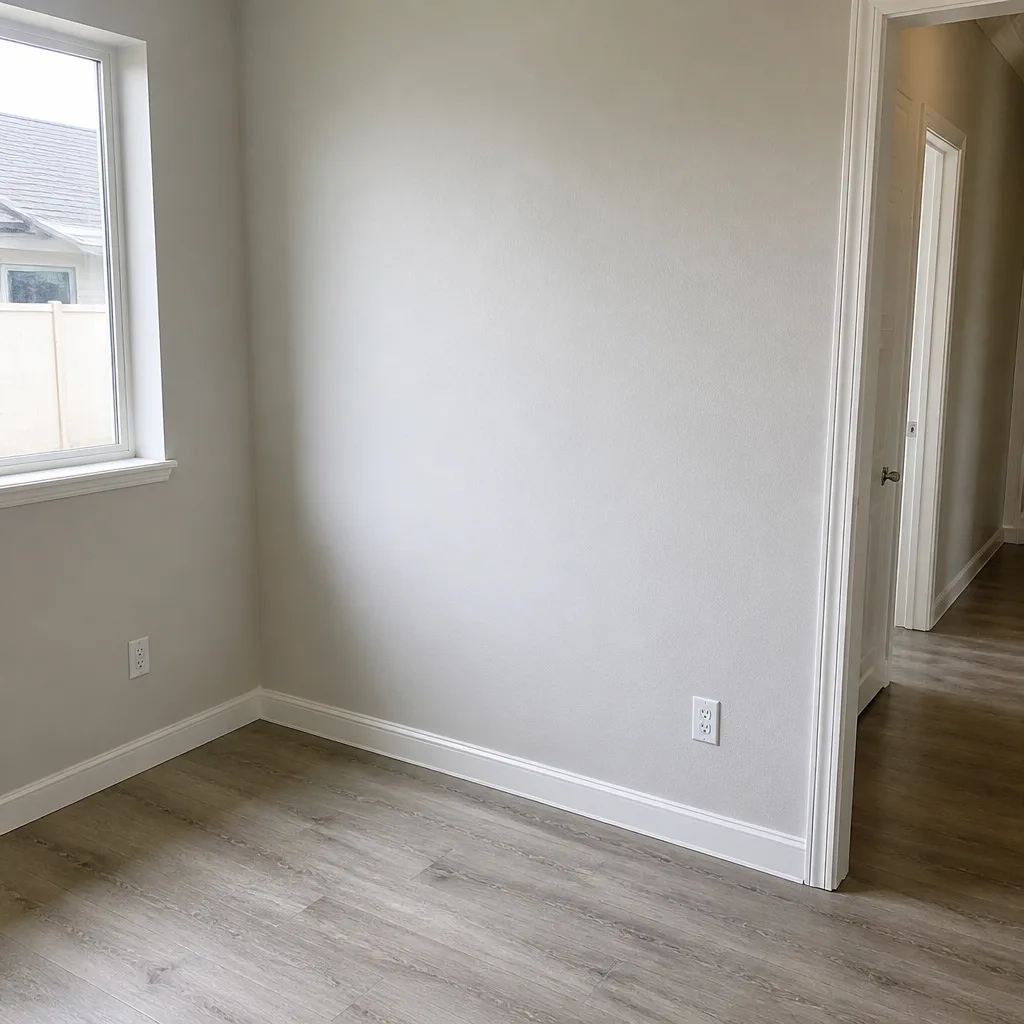
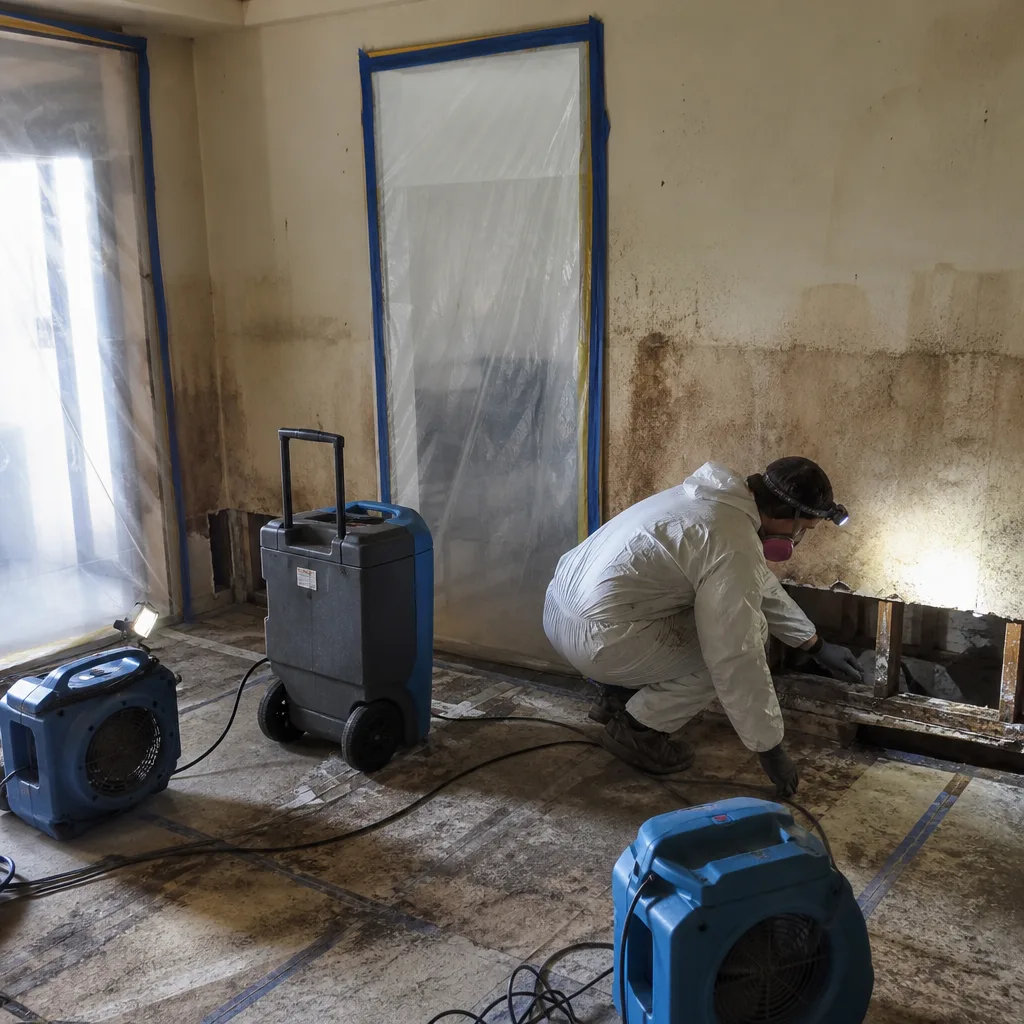
See the difference
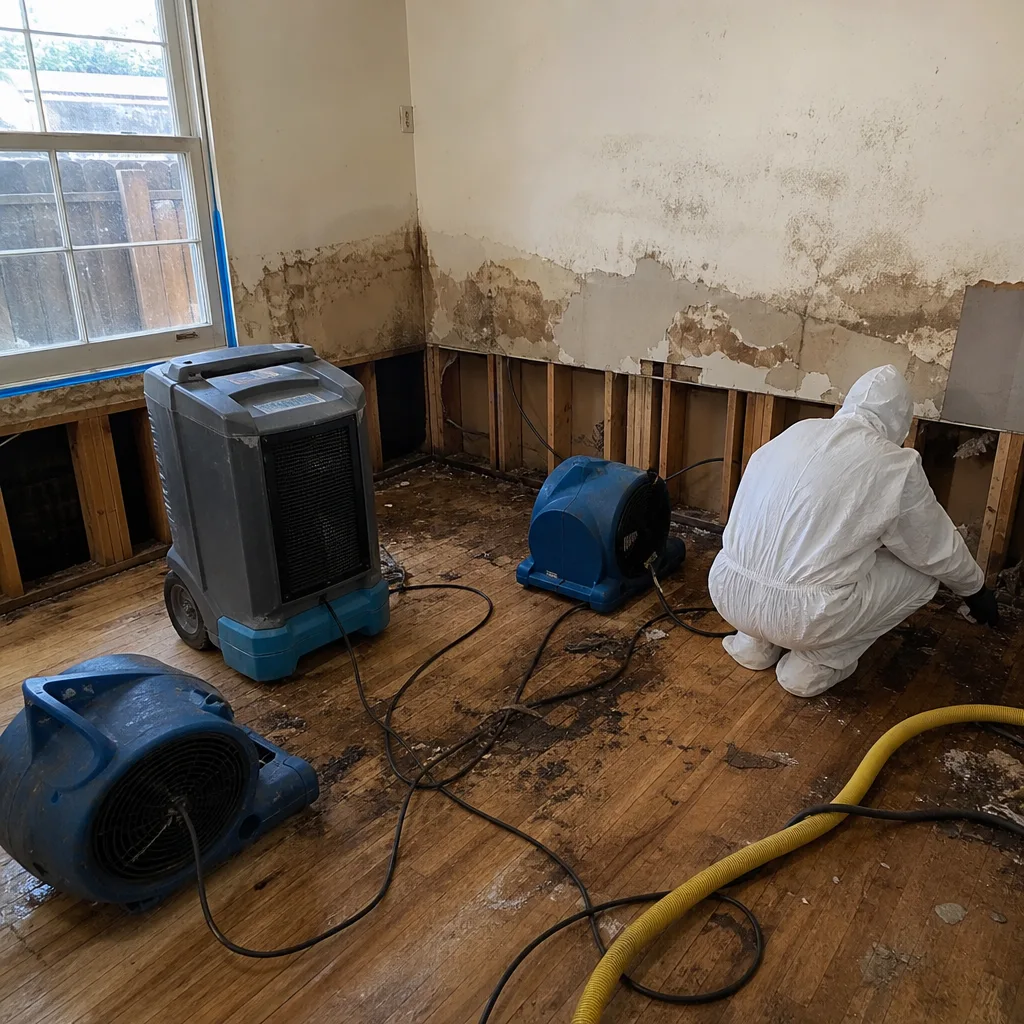 Before
 After
 Before
 After
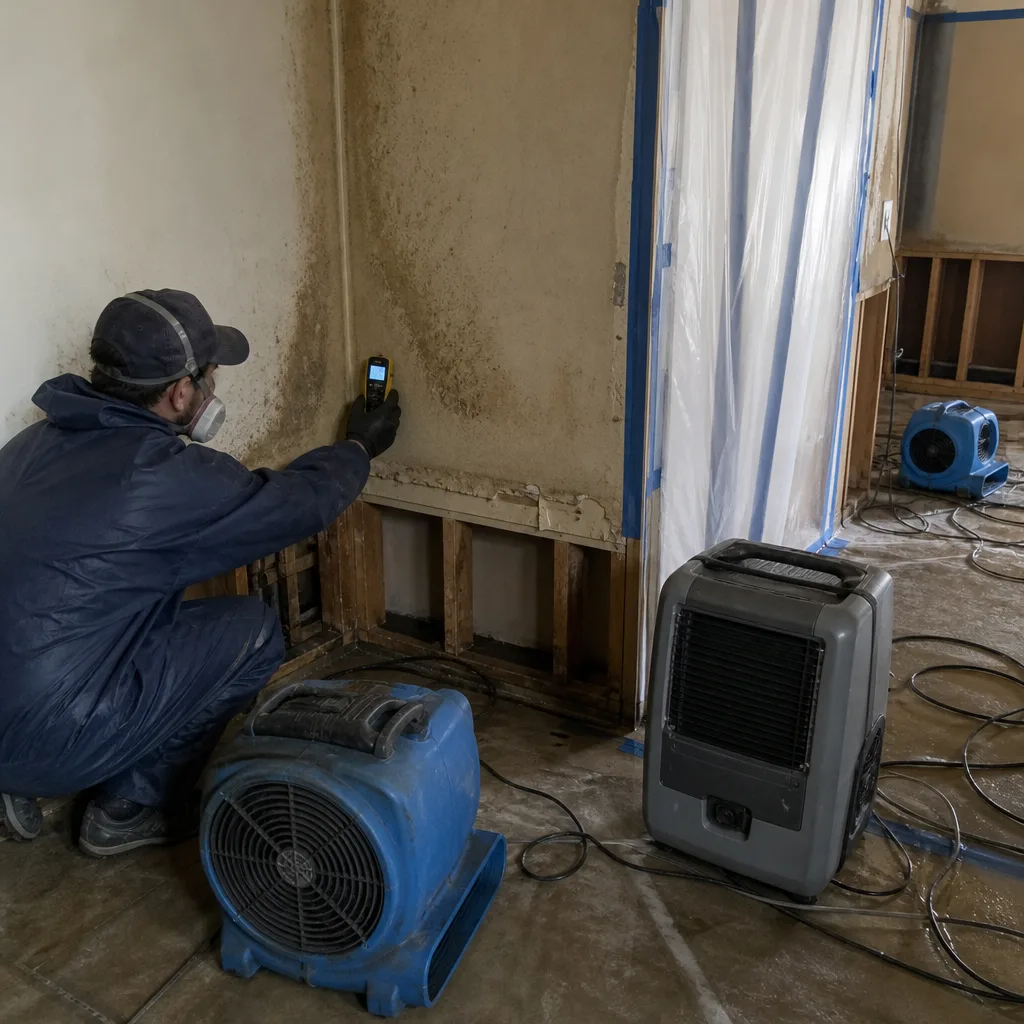 Before
 After