
Last updated October 30, 2026
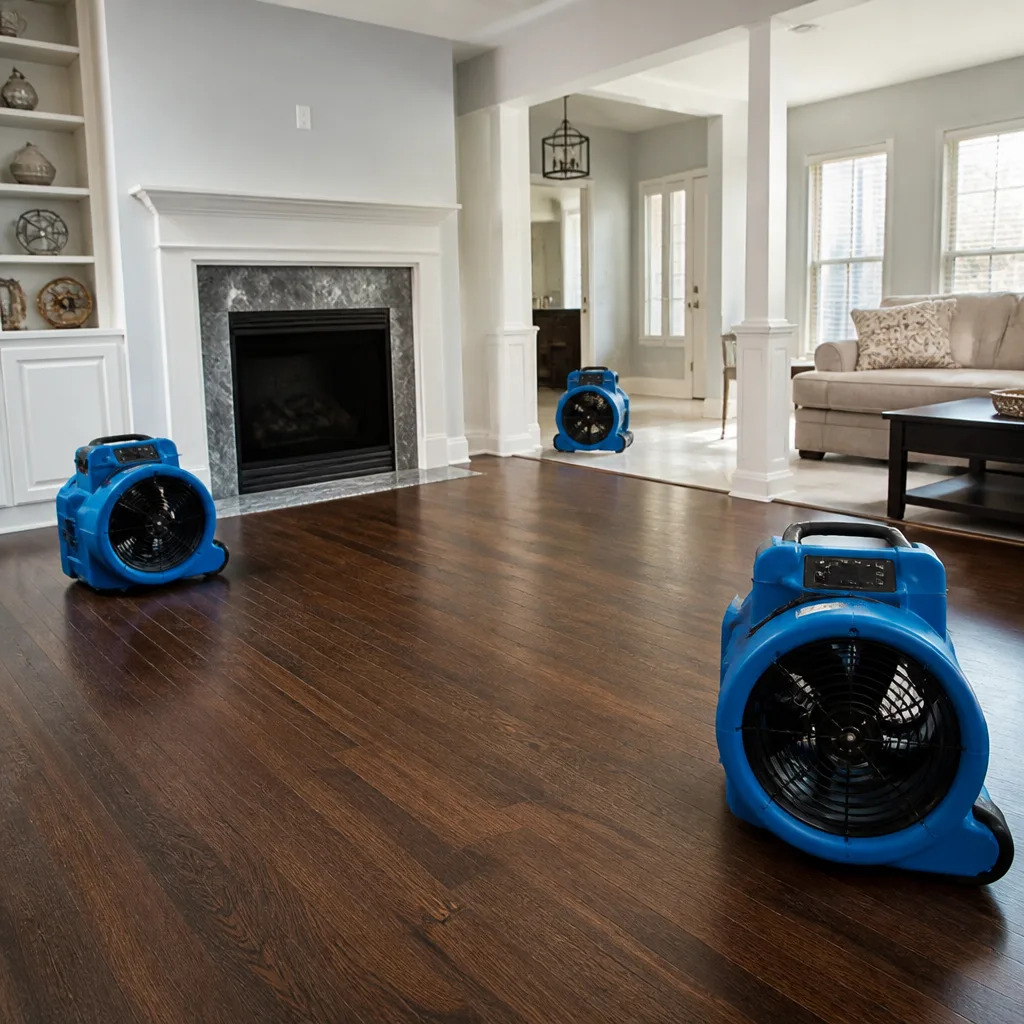 Water damage drying
 Fire & smoke cleanup
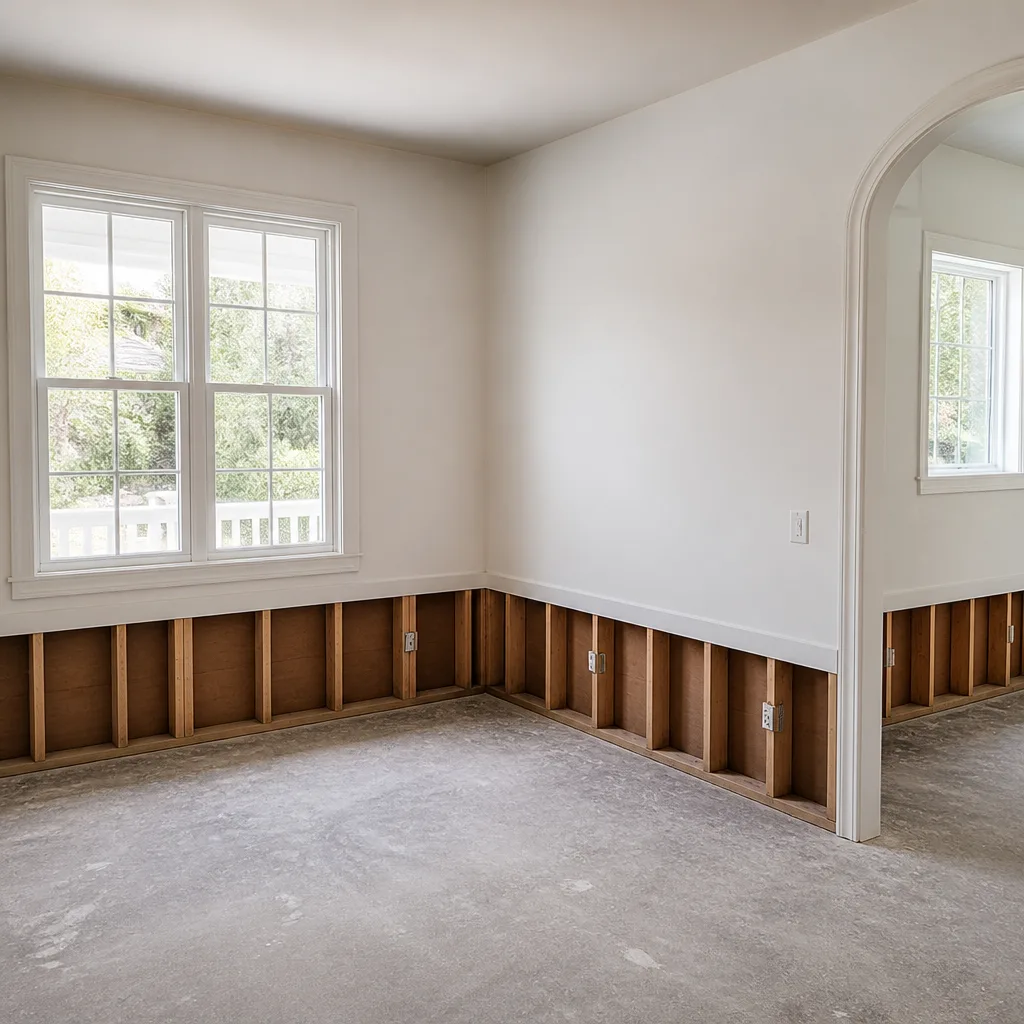 Mold remediation
 Storm response
 Sewage cleanup
 Reconstruction
Free visual inspection and a written scope of work before any mitigation begins - photos, moisture readings, and drying logs go in your claim file
The scope we write is the scope we bill. Anything new gets shown to you, in writing, before we touch it.
Get your free estimateDamage Restoration Cost Breakdown: The Costa Mesa Homeowner’s Reference for 2026
Most Costa Mesa homeowners discover the hard way that two “water damage restoration” quotes can differ by $8,000 while both claiming to do the same job. The gap isn’t greed. It’s scope. One contractor is quoting drying only. The other is quoting drying, clearance testing, containment, and documentation that will hold up if your insurer audits the claim. The cheapest restoration quote in Costa Mesa frequently omits clearance testing, HEPA air scrubbing, and psychrometric documentation – line items that add 8 – 15% to a bid but represent the difference between a closed claim and a mold callback six months later. This guide gives you the line-item literacy to compare quotes honestly, understand what each cost component actually pays for, and recognize which line items are non-negotiable for a technically complete restoration. For Damage Restoration Warning Signs: A Costa Mesa Homeowner’s Reference Guide, see our companion resource.
Restoration work we handle
Quick Answer
Water damage restoration in Costa Mesa typically runs $1,800 to $7,500 for Class 1 – 2 incidents (clean water, contained to one room or several adjacent rooms) and $12,000 to $35,000+ for Class 3 – 4 events affecting multiple rooms, crawlspaces, or contaminated water. Mold remediation adds $2,500 to $15,000 depending on square footage and whether containment and HVAC cleaning are required. Fire damage restoration commonly lands between $8,000 and $45,000 based on soot type, smoke penetration depth, and whether structural materials must be removed. These ranges reflect Costa Mesa’s 2026 market, where coastal humidity extends drying timelines and pushes equipment-day totals higher than inland Orange County pricing.
Table of Contents
- What Actually Drives Restoration Costs in Costa Mesa
- Water Damage Costs by Class and Category: Costa Mesa 2026 Ranges
- Equipment Line Items: What Day-Rates Should Look Like
- The Documentation Premium: Why Proper Files Affect Claim Resolution
- Mold Remediation: When It Becomes Necessary and What It Costs
- Reconstruction Estimating: Allowance-Based Bidding and Your Out-of-Pocket Exposure
- Common Mistakes to Avoid
- When to Call a Professional
- Frequently Asked Questions
- The Bottom Line
What Actually Drives Restoration Costs in Costa Mesa
Before you can evaluate a quote, you need to understand the four variables that move restoration pricing in Costa Mesa specifically, as outlined in our Damage Restoration Emergency Preparedness Guide for Costa Mesa Homes. These factors explain most of the spread between bids, and none of them show up as obvious line items.
One: Coastal humidity extends drying timelines. Costa Mesa’s marine layer keeps ambient relative humidity elevated year-round, especially in neighborhoods west of the 55 freeway like Mesa Verde and College Park. A structure that dries in three days in inland Arizona routinely takes five to seven days here. Every additional day means another day-rate on every piece of drying equipment. That’s not contractor padding; it’s psychrometrics. When a quote seems low because it assumes three days of drying, the bill either grows later or the contractor pulls equipment early and leaves hidden moisture in wall cavities.
Two: Building stock age creates surprise variables. Much of Costa Mesa’s housing stock dates from the 1950s through 1970s, particularly in the Freedom Homes tract and neighborhoods around Wilson Park. These homes often have plaster-and-lath walls instead of modern drywall, older galvanized plumbing, and crawlspaces with inadequate vapor barriers. Plaster dries slower than gypsum board. Old galvanized supply lines burst more readily and often indicate systemic corrosion that will fail again. A thorough Costa Mesa restoration estimate accounts for these complications; a cheap one ignores them until the invoice changes.
Three: Category of water dictates scope. Clean water (Category 1) from a supply line break costs far less to remediate than Category 2 (grey water from washing machines or dishwashers) or Category 3 (sewage, floodwater, or standing water over 48 hours). Category 3 requires antimicrobial treatment, contaminated material disposal, and full personal protective equipment for crews. No legitimate contractor can give you a firm Category 3 price sight unseen, because the scope depends on what the water touched.
Four: The cost of containment. Mold remediation and Category 3 water work require physical containment – negative air pressure chambers, HEPA-filtered air scrubbers, and sealed doorways. In larger Costa Mesa homes, containment can add $1,200 to $4,000 by itself. Quotes that omit containment for mold work are not cheaper; they’re incomplete.
Water Damage Costs by Class and Category: Costa Mesa 2026 Ranges
Water damage is classified by the Institute of Inspection, Cleaning and Restoration Certification (IICRC) into four classes that describe the extent of water absorption, and three categories that describe contamination level. Understanding these classifications is the single most valuable skill for evaluating quotes, because class directly determines drying equipment needs and category determines safety protocols.
Class 1: Minimal absorption. Water affects less than 5% of a room’s surfaces – typically a small area of carpet, a section of drywall, or a corner of a room. Drying usually takes two to three days.
Class 2: Significant absorption. Water has wicked up drywall, soaked carpet and padding, and affected an entire room from floor to about 24 inches up the walls. Drying takes three to five days. Expect dehumidifier and air mover placement throughout the room.
Class 3: Greatest absorption. Water came from overhead – a burst pipe in a ceiling, a roof leak, or an upstairs supply line break – and saturated walls, insulation, ceilings, and flooring across multiple areas. Drying commonly takes five to seven days. Equipment density doubles or triples versus Class 2.
Class 4: Specialty drying. Water has trapped in materials with low permeance – hardwood floors, plaster walls, concrete subfloors, crawlspaces, or masonry. These materials require specialty systems and longer drying timelines. This is where the difference between consumer-grade equipment and professional-grade systems becomes financially consequential.
Here’s what Costa Mesa homeowners should expect in 2026, assuming a licensed restoration contractor with IICRC-certified process and proper documentation:
- Class 1, Category 1: $1,800 – $3,200. Single room, supply line leak, no contamination. Equipment for 2 – 3 days.
- Class 2, Category 1: $3,500 – $7,500. Whole room or two rooms, carpet and drywall saturated. Equipment for 4 – 5 days, baseboard removal, possible underlayment replacement.
- Class 2, Category 2: $5,000 – $10,000. Grey water from appliance overflow. Adds antimicrobial treatment, pad disposal, more aggressive containment.
- Class 3, Category 1: $9,000 – $18,000. Multiple rooms, ceilings, insulation removal. Equipment for 5 – 7 days at high density.
- Class 3 – 4, Category 3: $15,000 – $35,000+. Sewage or floodwater. Includes containment, full PPE, contaminated material disposal, antimicrobial application, and often structural drying with specialty systems. This is a best-case range; slab-on-grade homes with deep saturation can exceed this.
One variable unique to Costa Mesa: many older homes have crawlspaces with low clearance and minimal access. A Category 3 event that reaches the crawlspace may require access cutting through the subfloor or foundation, adding $2,000 – $6,000 before drying even begins. If your quote doesn’t mention the crawlspace, ask whether the estimator inspected it.
Equipment Line Items: What Day-Rates Should Look Like
Equipment line items are where unscrupulous contractors either bury profit or hide under-deployment. Costa Mesa homeowners should expect to see explicit daily rates for three types of equipment on any water damage quote: LGR (low-grain refrigerant) dehumidifiers, air movers, and HEPA air scrubbers.
LGR dehumidifiers pull moisture from the air at a rate that standard refrigerant dehumidifiers cannot match in high-humidity conditions. In Costa Mesa’s coastal air, an LGR is not optional for Class 2 or higher; it is the difference between drying in five days and drying in twelve, which multiplies every other equipment cost. Expect day-rates of $125 – $175 per unit. A Class 2 room typically requires one LGR; a Class 3 event in a 2,000-square-foot home may require three to four.
Air movers accelerate evaporation from surfaces. Standard placement is one air mover per 45 – 75 square feet of affected flooring. Day-rates run $35 – $55 per unit. A 300-square-foot living room with saturated carpet may need five to seven air movers. If a quote shows two, the contractor is either under-deploying to hit a low number or doesn’t understand evaporation science. Either way, drying will extend and the hidden moisture becomes your future mold problem.
HEPA air scrubbers filter airborne particulates during mold remediation and Category 3 water work, and they should run continuously once containment goes up. Day-rates of $85 – $125 are standard. If your quote includes mold remediation but no air scrubber line item, walk away – that omission indicates the contractor doesn’t follow IICRC standards for containment.
Industrial-grade equipment matters here. Professional restoration firms run Dri-Eaz and Phoenix LGRs, XPOWER and B-Air air movers, and HEPA systems designed for sustained commercial use. These units move more air and pull more moisture per kilowatt-hour than equipment available at rental yards. A low equipment line item often means rental-yard gear that will extend your drying timeline and increase total cost, not reduce it.
The Documentation Premium: Why Proper Files Affect Claim Resolution
This is the section most cost guides skip, and it’s where Costa Mesa homeowners lose real money. Restoration quotes should include documentation line items – moisture mapping, daily moisture logs, psychrometric readings, equipment placement diagrams, and photo documentation throughout the process. These line items typically run $400 – $1,200 total. They are not optional.
Here’s why. Insurance adjusters evaluate water damage claims against the IICRC S500 standard, which requires documentation of initial moisture readings, daily drying progress, and final readings confirming the structure returned to dry standard. If your restoration contractor doesn’t produce those logs, the adjuster lacks evidence the drying was performed correctly. The claim gets challenged, payments stall, and you may find yourself fighting for the final invoice.
In our experience, insurers in Southern California most frequently dispute three cost components:
- Equipment day counts. Adjusters challenge how many days drying equipment actually ran. Daily moisture logs with dated psychrometric readings answer this directly.
- Demolition scope. Insurers question whether drywall removal extended beyond what was actually wet. Moisture mapping paired with photo documentation at each cut line resolves this.
- Mold remediation add-ons. Insurers separate mold coverage from water damage coverage. If mold appears during the drying process, a properly documented log showing moisture levels over time is the evidence that links the mold to the covered water event. Without it, the mold remediation gets treated as a separate, often partially covered or excluded claim.
An IICRC-certified restoration firm produces this documentation as a standard part of the job. A contractor who doesn’t follow the IICRC standard saves you nothing; they just shift the cost to your insurance dispute.
Mold Remediation: When It Becomes Necessary and What It Costs
Mold remediation is almost never included in an initial water damage estimate, and that’s appropriate. Mold requires 24 to 72 hours of sustained moisture to begin colonizing, so a same-day water response should prevent it entirely. But when a leak has been running undetected for days or weeks – common in Costa Mesa behind older wall finishes and under slab-on-grade flooring – mold may already be present when restoration begins.
Here are the specific conditions that trigger mold remediation during a water damage job:
- Visible mold growth on drywall, baseboards, carpet backing, or flooring materials
- Musty odors persisting after 48 hours of drying
- Elevated moisture readings in wall cavities that resist drying (common in plaster-and-lath construction)
- Air sampling that confirms elevated spore counts in lived-in spaces
- Water that sat in the structure for more than 72 hours before extraction
When mold remediation becomes necessary, Costa Mesa homeowners should expect these cost ranges in 2026:
- Contained area under 10 square feet: $2,500 – $4,500. Single room containment, HEPA air scrubbing, affected material removal, antimicrobial application, post-remediation verification.
- Contained area 10 – 50 square feet: $4,500 – $8,000. Larger containment chamber, HVAC servicing or isolation, longer equipment run times.
- Contained area 50 – 150 square feet: $8,000 – $15,000. Multiple room containment, extensive material removal, possible duct cleaning, multiple air scrubbers.
- Full HVAC contamination: Add $3,500 – $6,500 to any scope. Duct cleaning, coil cleaning, and sometimes duct replacement.
Post-remediation clearance testing – air sampling by an independent third party to confirm spore counts have returned to background levels – adds $400 – $900. That’s a line item worth protecting, because it is the only proof the remediation worked. Oxford Restoration Co’s Mold Remediation in Lakeview page explains the containment and clearance process in detail. The IICRC-certified process standard recommends post-remediation verification on every mold job; contractors who skip it are betting your health on their word.
Reconstruction Estimating: Allowance-Based Bidding and Your Out-of-Pocket Exposure
Restoration and reconstruction are two separate phases with two separate estimating methods. Restoration – drying, extraction, mold remediation, smoke cleanup – is priced as a definitive scope with defined line items. Reconstruction – replacing drywall, flooring, cabinetry, paint – is frequently estimated using allowances.
An allowance is a placeholder dollar amount for materials not yet selected. Your quote might read “flooring allowance: $8 per square foot” or “vanity allowance: $1,200.” You sign the contract, the work proceeds, and when you select actual materials, the invoice adjusts to actual cost.
This is where Costa Mesa homeowners get surprised. Allowances are set low to keep the bid competitive. You select a mid-range LVP flooring at $5.50 per square foot and the allowance was $3. Your out-of-pocket exposure grows by $2.50 per square foot across every affected room. A 600-square-foot ground floor suddenly costs you $1,500 more than the estimate suggested.
Here’s how to protect yourself:
- Ask for allowance amounts in writing for every material category: flooring, baseboards, drywall texture, paint, cabinets, countertops, hardware.
- Compare allowances against current Costa Mesa material pricing. Flooring showrooms on Harbor Boulevard and Bristol Street will give you real prices in an afternoon.
- Ask whether the contractor charges markup on allowance overages. Standard practice is 10 – 20%, but you should know before signing.
- Coordinate restoration scope with reconstruction scope. The demolition needed for drying (cutting drywall 24 inches above the water line) may be less extensive than the demolition needed for reconstruction (replacing full sheets to maintain a seamless wall finish). Ask who pays for the difference.
For fire damage reconstruction, allowances matter even more. Soot-sealed walls may require sealing primer before repainting, a line item that often sits outside paint allowances. Structural elements may need replacement that was not visible during the initial estimate. Oxford Restoration Co’s Fire Damage Restoration in Lakeview page covers the full fire restoration sequence. The key point: fire estimates are more likely than water estimates to change as demolition reveals hidden damage, and a contractor who communicates scope changes in writing before work proceeds is protecting you from surprise invoices.
Common Mistakes to Avoid
- Accepting a quote without equipment day-rates. A lump sum with no equipment line items means you can’t verify the drying was done correctly. Demand daily equipment rates and a placement count for every affected room.
- Comparing quotes by total price only. A $4,200 quote that omits containment and clearance testing is not cheaper than a $7,800 quote that includes them. It’s a partial scope that will cost more later.
- Letting drying run beyond seven days without questioning why. In Costa Mesa’s coastal humidity, a properly drying structure should hit dry standard within five to seven days for Class 2 – 3 water. Extended timelines mean under-deployment, equipment failure, or hidden moisture sources that need investigation.
- Skipping post-remediation clearance testing on mold work. Without third-party air sampling, you have no evidence the mold issue was resolved – and no documentation for an insurer who later questions whether the remediation was adequate.
- Signing a reconstruction contract with vague allowances. “Standard flooring” is not an allowance. Get per-square-foot or per-item dollar amounts in writing for every material category before you commit.
- Hiring a general contractor for Category 3 water. Sewage and floodwater contamination requires specialized antimicrobial protocols, PPE, and containment that general contractors do not routinely carry. The IICRC standard exists precisely for this scope.
- Not verifying who produces your documentation. Moisture logs matter at claim time. Ask whether your contractor produces daily psychrometric readings and equipment placement diagrams, and whether they will be released to your insurer.
When to Call a Professional
Call a professional restoration firm immediately if water has been standing for more than 24 hours, if the water source is grey water or sewage, if water has reached wall cavities or under flooring, or if you smell mustiness that suggests mold is already present. For fire damage, call before you attempt any cleaning; improper handling of soot can set stains permanently. Oxford Restoration Co offers free estimates in Costa Mesa – call (877) 265-8058 and a technician will assess the scope, walk you through the cost components, and provide a written estimate before any work begins.
If you’re in the Lakeview neighborhood specifically, our Water Damage Restoration in Lakeview page covers local response details. For homeowners weighing whether they’re dealing with a restoration issue or something that needs only cleaning, the Oxford Restoration Co home page outlines the difference between remediation and cosmetic fixes.
Frequently Asked Questions
Water damage restoration in Costa Mesa costs $1,800 to $7,500 for Class 1 – 2 clean water incidents and $12,000 to $35,000+ for Class 3 – 4 events involving multiple rooms, crawlspaces, or contaminated water. The final number depends on water category, equipment density required, and whether drying extends beyond five days due to coastal humidity. Call (877) 265-8058 for an exact quote based on your specific scope.
Quotes differ because contractors are estimating different scopes – one may include containment, HEPA air scrubbing, daily moisture documentation, and clearance testing while the other omits those line items to hit a lower number. Compare equipment day-rates, containment line items, and documentation fees before evaluating the bottom line.
Most homeowners policies cover sudden and accidental water damage from sources like burst supply lines, provided the damage wasn’t caused by neglected maintenance. Coverage for mold remediation varies by policy, and documentation linking the mold to the covered water event is often the deciding factor. Proper moisture logs and psychrometric readings strengthen your claim.
Most professional restoration firms in Costa Mesa can have a crew on site within hours of your call during normal business hours, with emergency response available for active water intrusion. Faster response reduces total drying time and prevents mold from colonizing, which directly reduces your final invoice.
Cleaning is appropriate only for surface mold on non-porous materials. Mold on drywall, insulation, carpet backing, or in wall cavities requires removal of affected materials, containment, and HEPA air scrubbing per IICRC standards. If you can see or smell mold after 48 hours of proper drying, remediation is necessary.
Fire damage restoration in Costa Mesa typically costs $8,000 to $45,000 depending on soot type (protein, dry, or oily), smoke penetration depth, and whether structural materials must be removed. Protein smoke from kitchen fires often costs less than oily smoke from synthetic material fires, which requires aggressive cleaning agents and sometimes material replacement. Call (877) 265-8058 for a free estimate on your specific fire scene.
The Bottom Line
The Costa Mesa restoration market is not irrational – it’s just unreadable without line-item literacy. Once you can identify whether a quote includes proper equipment density, daily documentation, containment when required, and clearance testing where indicated, the pricing makes sense. The contractor who appears more expensive on paper is often the one delivering the scope that insurance adjusters accept and future mold problems never materialize from. Restoration is not a commodity. It’s a technical process with documented standards, and paying for those standards now is cheaper than paying for the consequences of their absence later. Get a written estimate before work starts. Ask for line items. Demand documentation. And when you need a specialist, call (877) 265-8058 for a free estimate from a team that works to the IICRC standard.
Written by the team at Oxford Restoration Co, serving Costa Mesa since 2011.
See the difference
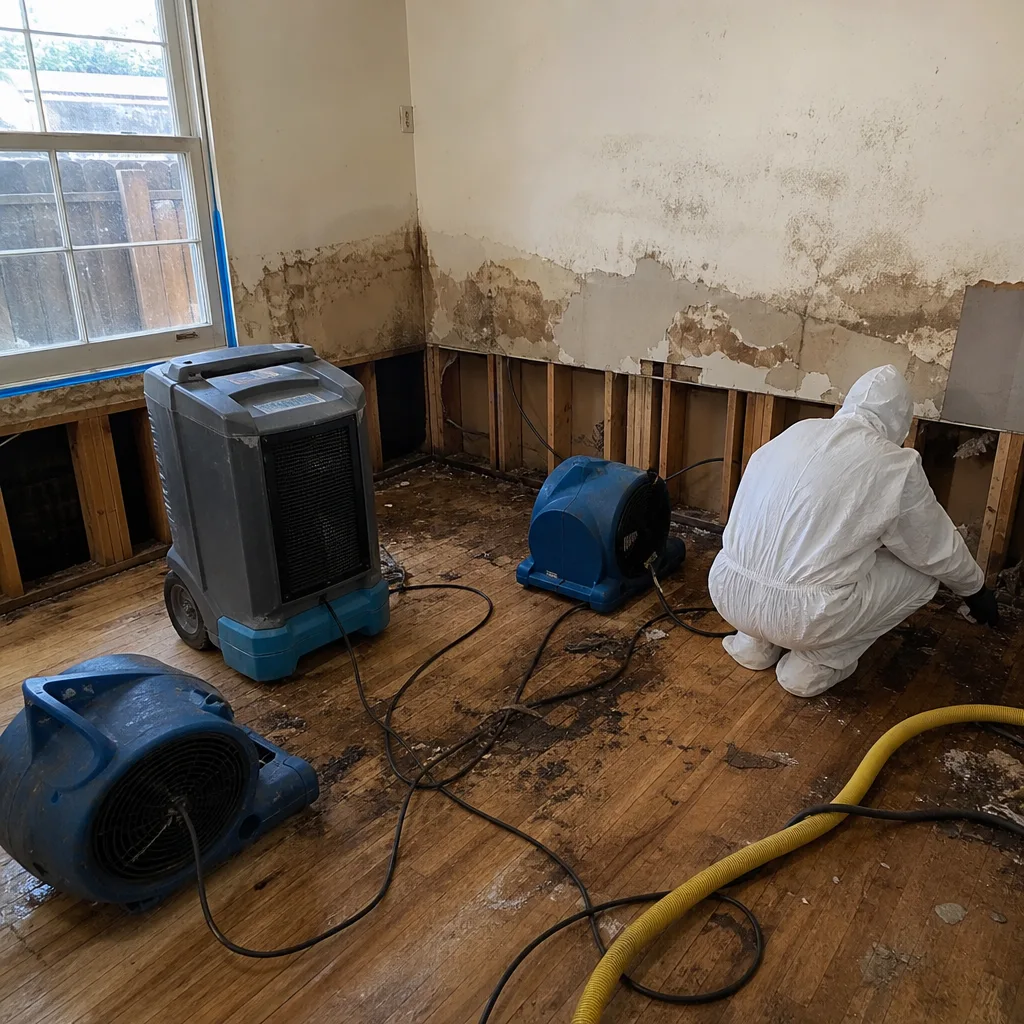 Before
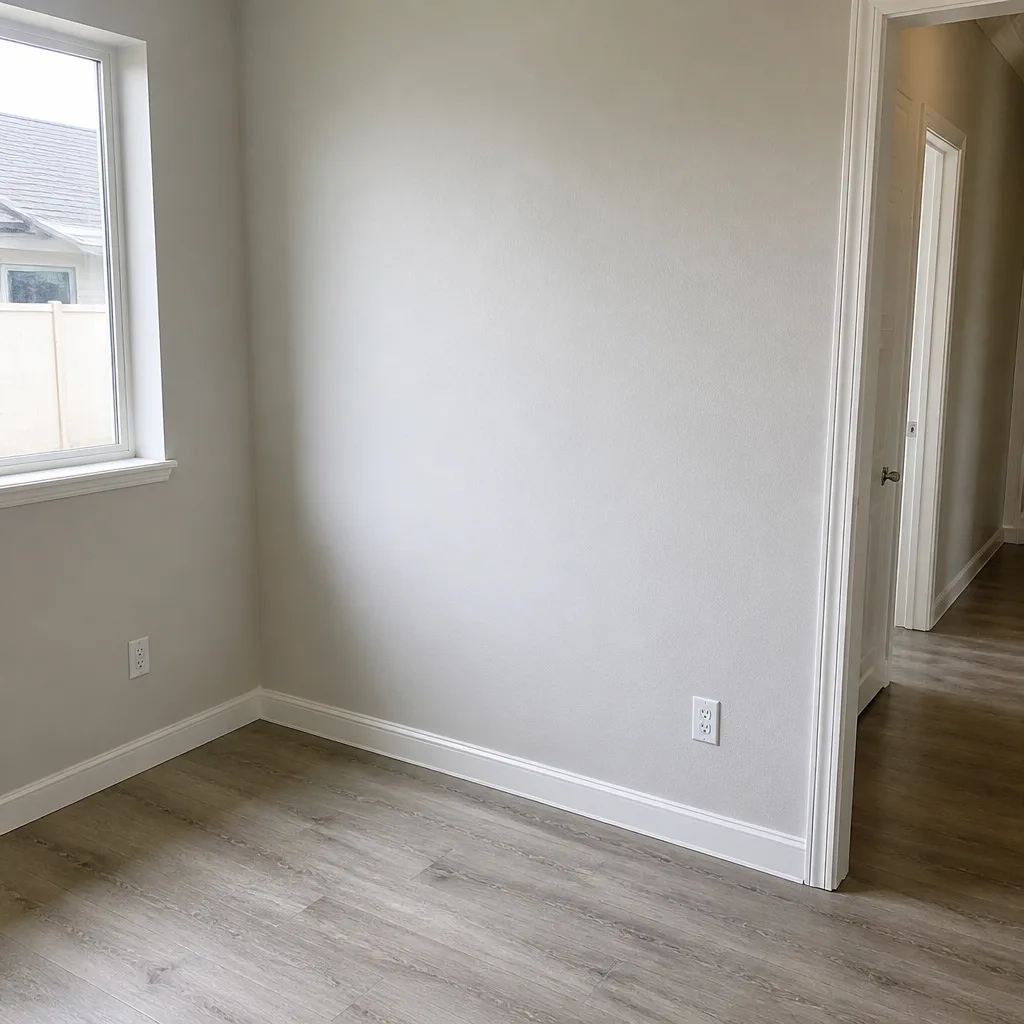 After
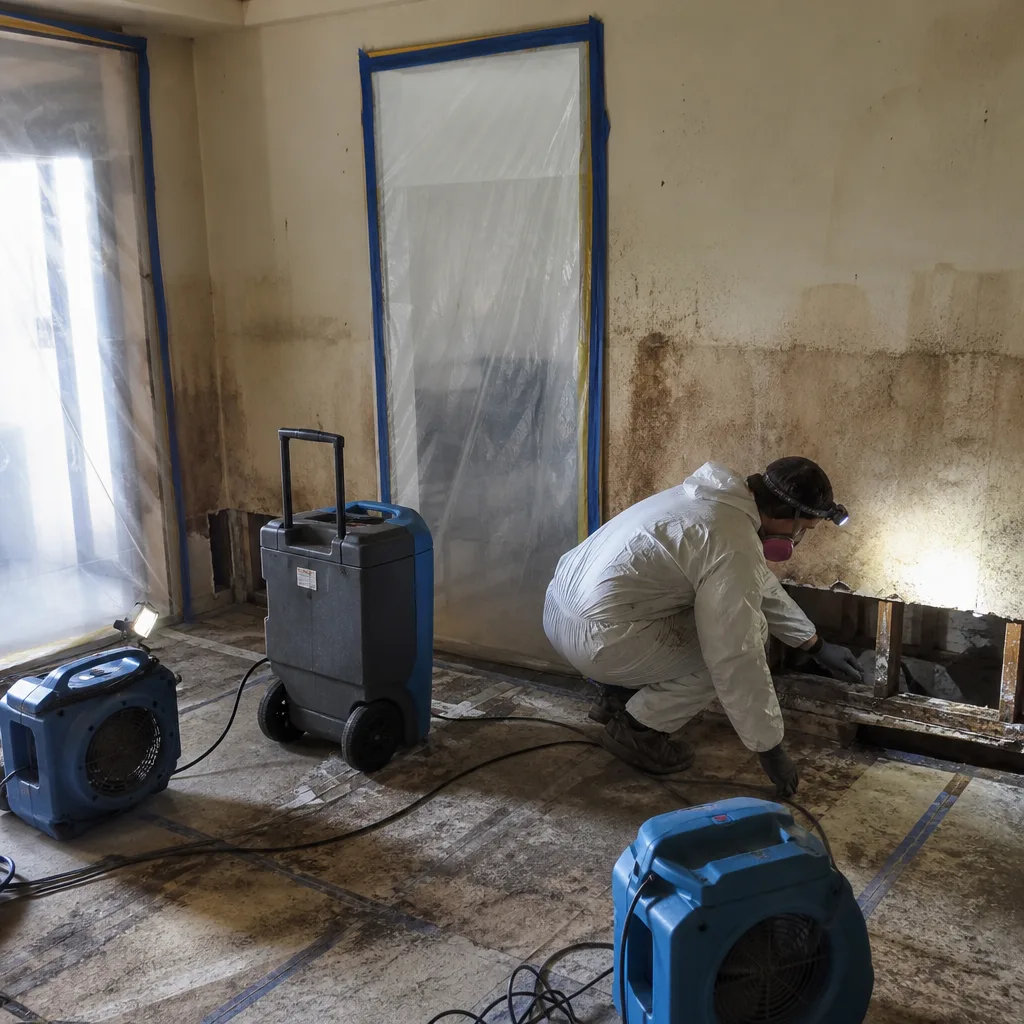 Before
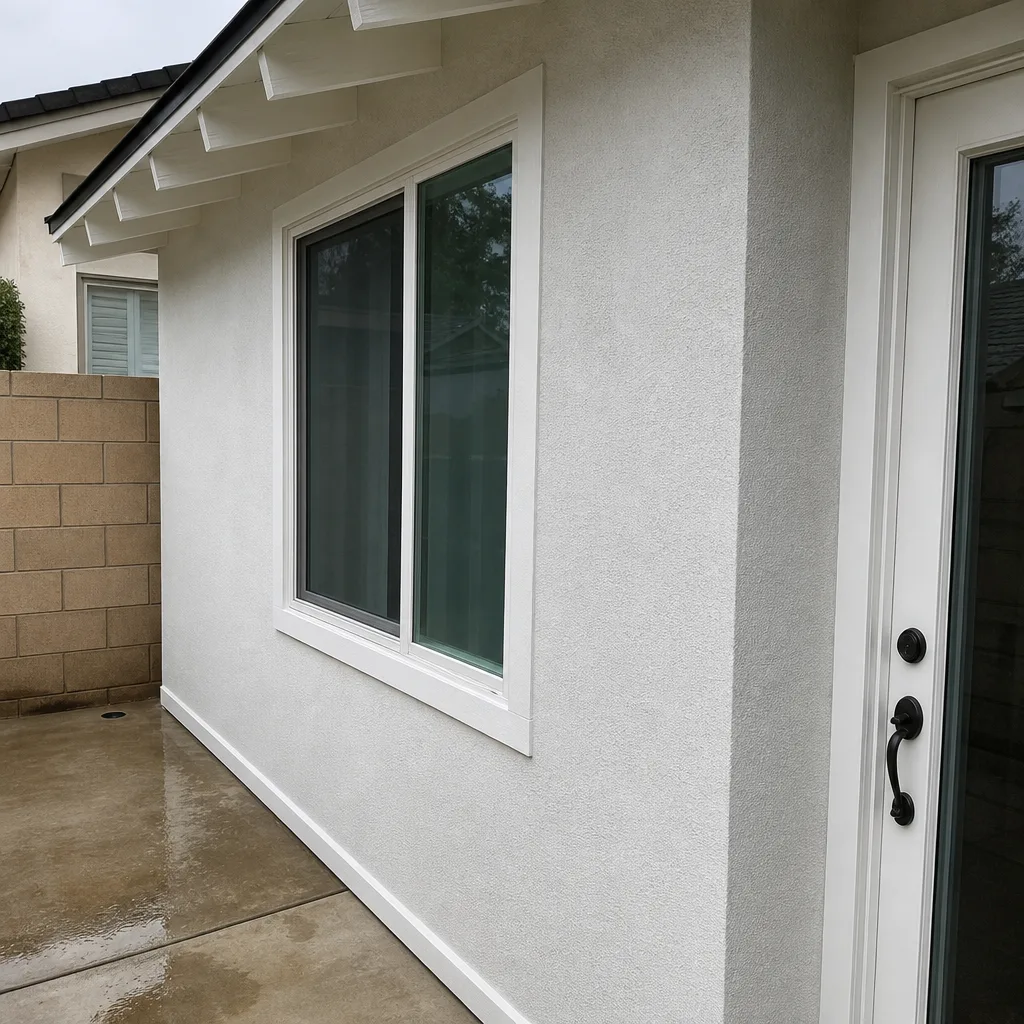 After
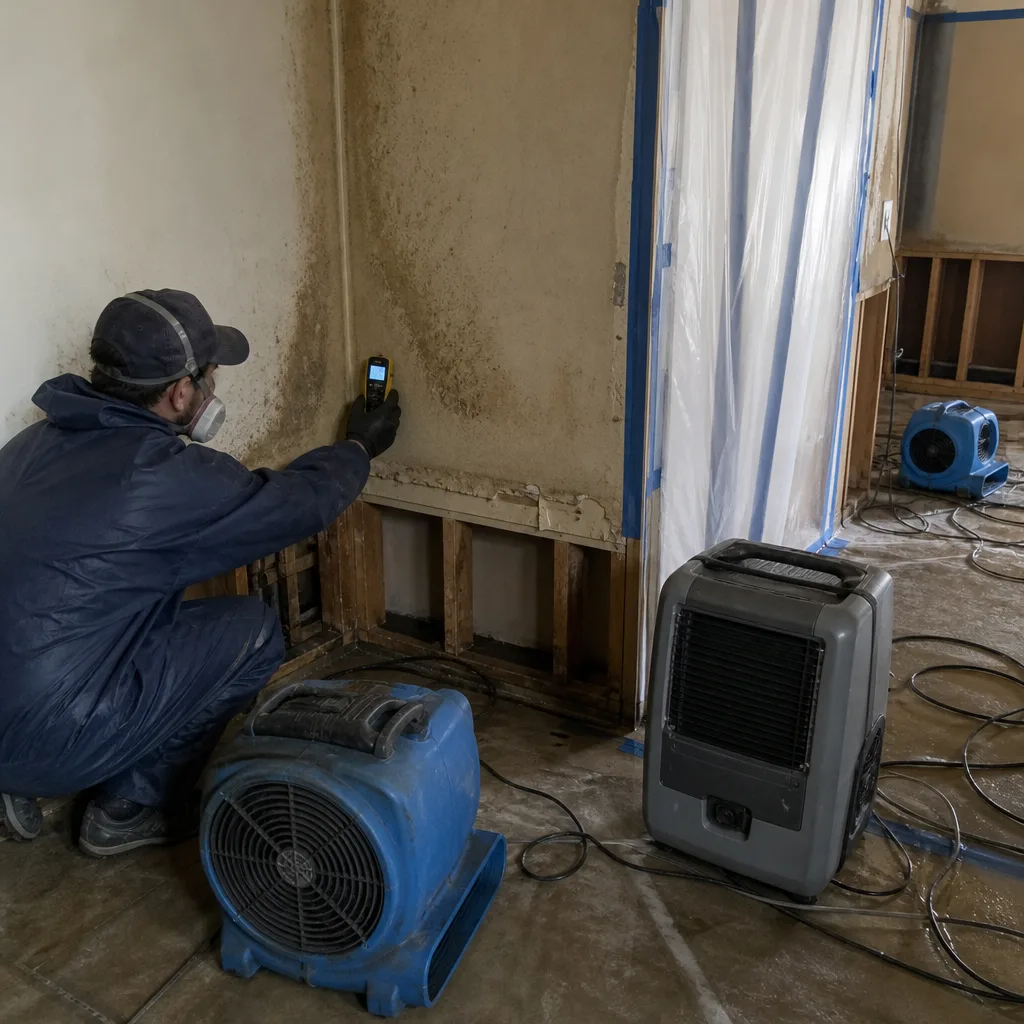 Before
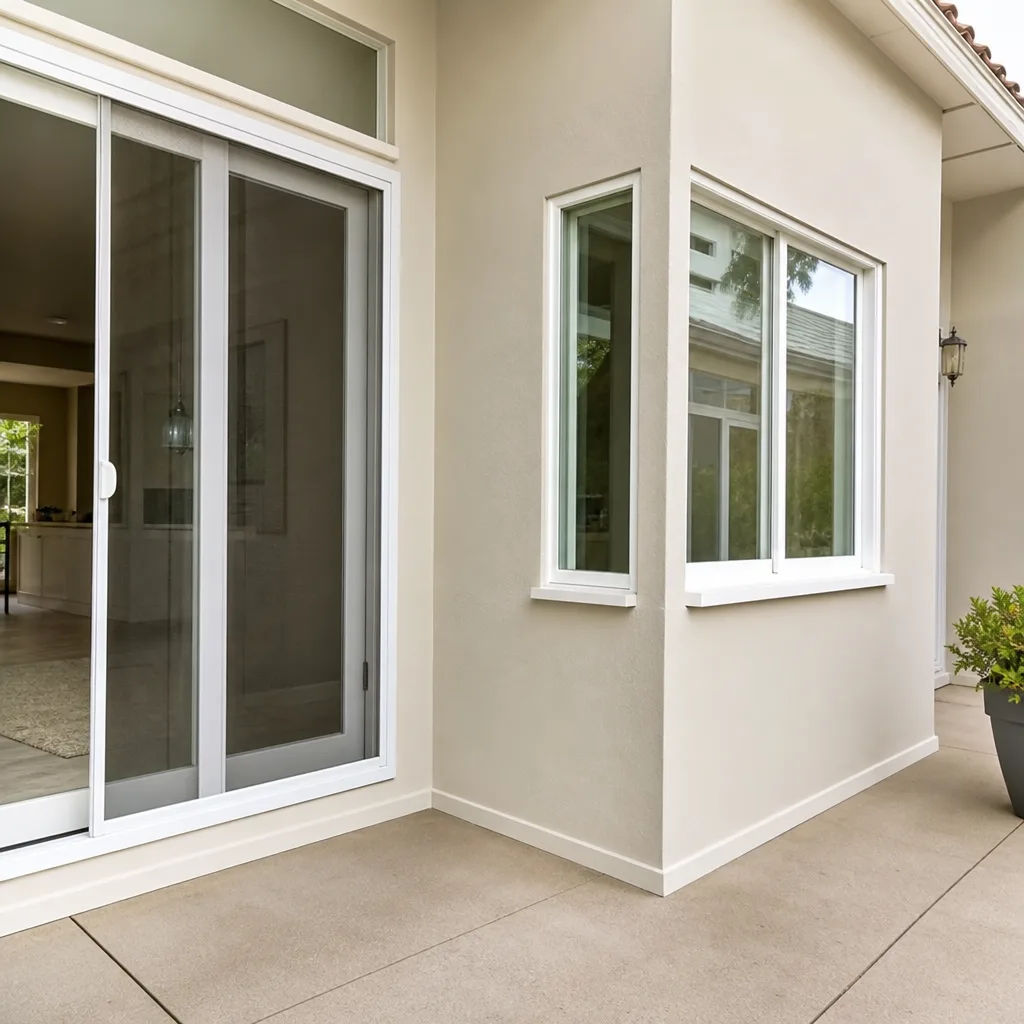 After