
Last updated October 30, 2026
 Water damage drying
 Fire & smoke cleanup
 Mold remediation
 Storm response
 Sewage cleanup
 Reconstruction
Free visual inspection and a written scope of work before any mitigation begins - photos, moisture readings, and drying logs go in your claim file
The scope we write is the scope we bill. Anything new gets shown to you, in writing, before we touch it.
Get your free estimateChoosing the Right Damage Restoration Brand: A Buyer’s Guide for Costa Mesa
Two franchise locations operating under the same national restoration brand can have dramatically different IICRC certification levels, equipment fleets, and documentation standards. That’s because franchisors set marketing standards, not technical ones. The name on the truck tells you almost nothing about the operation behind it. This guide gives Costa Mesa homeowners a framework for evaluating the actual technical capability of a restoration company, not its advertising budget, so you can choose a specialist who will restore your property correctly the first time. For a deeper dive, see The Complete Guide to Damage Restoration in Costa Mesa.
Restoration work we handle
Quick Answer
The best damage restoration company in Costa Mesa is the one with verifiable IICRC certification, an owned (not rented or subcontracted) industrial equipment fleet, and documentation practices that produce measurable drying logs and clearance reports. Brand recognition is a marketing signal, not a technical one. Evaluate the specific operation, its credentials, its equipment inventory, and its documentation standards before you sign anything.
Table of Contents
- The Brand Problem: Why the Name on the Truck Misleads
- Certification: What IICRC Actually Means and How to Verify It
- Equipment Fleet: The Technical Tell Most Homeowners Miss
- Subcontracting vs. In-House Technicians: Questions That Expose the Difference
- Why Review Scores Are Structurally Unreliable for Restoration
- Documentation Standards: What to Request Before You Hire
- Costa Mesa-Specific Considerations: Climate, Housing Stock, and Response
- Common Mistakes to Avoid
- When to Call a Professional
- Frequently Asked Questions
- The Bottom Line
The Brand Problem: Why the Name on the Truck Misleads
Restoration franchises operate on a model that rewards marketing consistency, not technical consistency. A franchisor provides branding, lead generation, and sometimes training resources, but the individual franchise owner controls hiring, equipment purchasing, certification decisions, and day-to-day execution. In Costa Mesa, where the housing stock ranges from 1950s ranch homes in Mesa Verde to newer builds in Eastside Costa Mesa, the technical demands vary significantly by property type. The brand name does not adapt to those demands. The operator does, or doesn’t.
What this means in practice: a franchise location in one part of Orange County may run four LGR dehumidifiers on every water loss and require every technician to hold IICRC water damage certification. A location under the same brand 20 minutes away may send one air mover and a technician who completed a three-day internal training course. Both trucks carry the same logo. Both answer the same phone-tree script. Both have similar review profiles. The difference shows up in the drying log three days later, when the second property still has elevated moisture readings in the wall cavities.
This is why we tell homeowners to evaluate the operation, not the brand. The questions that reveal the difference are specific and unglamorous: How many LGR dehumidifiers do you deploy on a typical 500-square-foot water loss? Do you own your drying equipment or rent it per job? Will the technician performing the work be the one whose IICRC certification I can verify? We’ll walk through each of these.
Oxford Restoration Co takes the position that a damage restoration specialist should be judged on measurable technical capacity. That means certification, equipment inventory, and documentation, not brand recognition. Our water damage restoration work in Lakeview follows the same IICRC-certified process we would apply in any Costa Mesa home, because the standard doesn’t change with the ZIP code.
Certification: What IICRC Actually Means and How to Verify It
IICRC stands for the Institute of Inspection, Cleaning and Restoration Certification. It is the recognized standard-setting body for the restoration industry, and its certifications are earned through examination, not purchased. A company that says it is “IICRC-certified” should mean that specific technicians at that company hold current IICRC credentials in the relevant disciplines: water damage restoration, applied microbial remediation, fire and smoke restoration, or a combination.
Here’s what to watch for. Some companies say “IICRC-certified” but have only one certified technician on staff, and that person never sets foot on your job. Others let a certification lapse, or they use language like “IICRC-trained” or “follows IICRC standards,” which means nothing verifiable. The IICRC maintains a public registry where you can search for certified technicians by name or company. This is the single most underused verification tool available to Costa Mesa homeowners.
How to Verify IICRC Certification in 4 Steps
- Ask for the specific technician’s name. Not the salesperson’s name. Ask: “Who will be the lead technician on my job, and what is their IICRC certification number?”
- Search the IICRC registry. The IICRC website has a public “locate a professional” tool. Enter the technician’s name or the company name and confirm the certification is current.
- Check the certification category. IICRC offers credentials in multiple disciplines. A technician certified in carpet cleaning is not certified in water damage restoration. Match the credential to your specific loss type.
- Ask about ongoing training. IICRC certifications require continuing education credits to remain current. A technician whose certification was earned in 2019 and never renewed may not be up to date on current drying science.
Oxford Restoration Co performs work to the IICRC standard, and our technicians’ credentials are verifiable through the public registry. We also hold membership in the Restoration Industry Association (RIA), the leading professional trade body in the field, and maintain IFA affiliation, reflecting our commitment to industry standards and ongoing professional accountability. These affiliations signal active engagement with evolving restoration science, not just a wall certificate.
Equipment Fleet: The Technical Tell Most Homeowners Miss
Equipment is the clearest window into a restoration company’s technical capability. Restoration drying is a physics problem, and the tools determine the outcome. A company that owns a substantial inventory of industrial-grade equipment has made a capital commitment to doing the work properly. A company that rents equipment per job, or shows up with consumer-grade fans from a hardware store, is optimizing for margin, not moisture removal.
Here are the specific equipment categories to ask about and why they matter for a Costa Mesa property:
- LGR dehumidifiers. Low-grain refrigerant dehumidifiers are the workhorse of structural drying. They remove moisture from the air at a rate that conventional dehumidifiers cannot match. Ask how many LGR units the company would deploy on a 500-square-foot water loss. A serious operation answers with a specific number: two to four LGRs is typical for that size. A vague answer is a red flag.
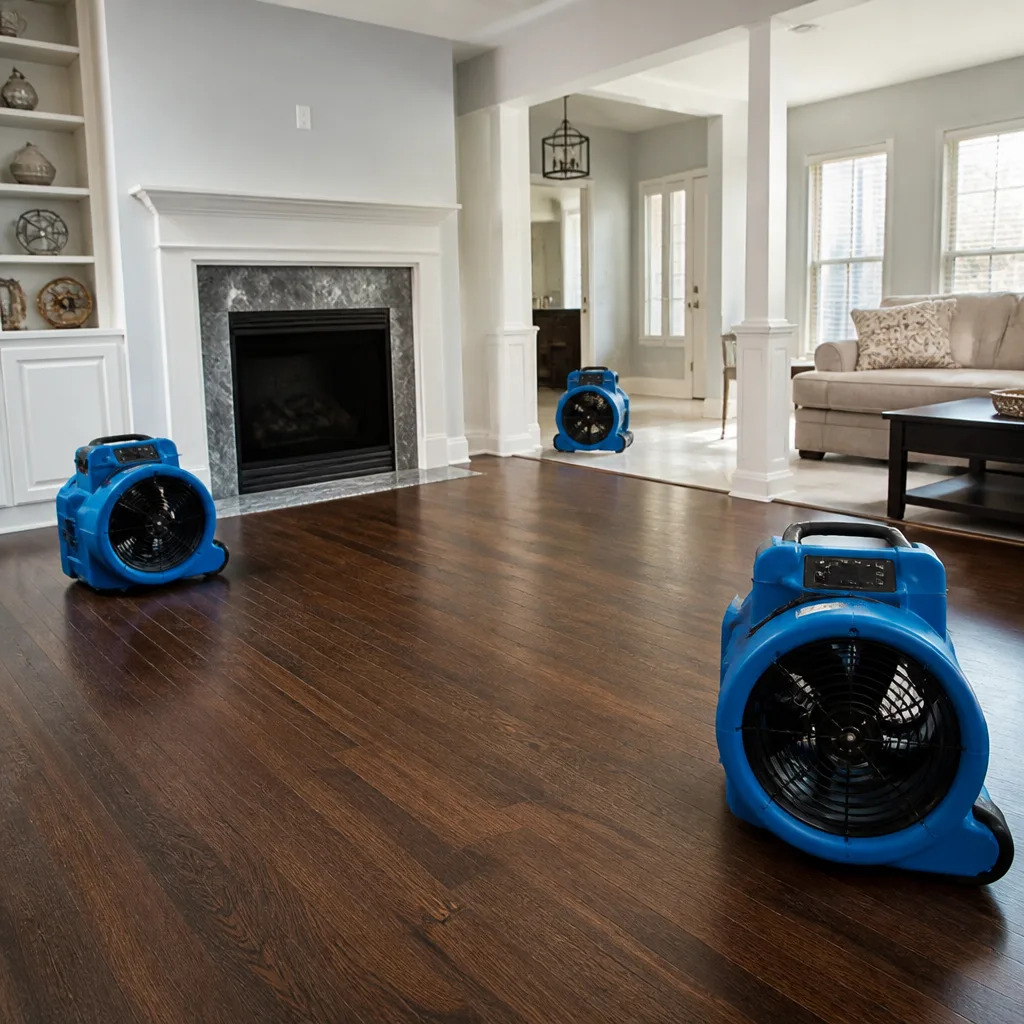
- Air movers. High-velocity air movers create the airflow needed to drive evaporation from wet materials. Count matters. A standard bedroom drying setup requires at least three to five air movers, positioned for cross-flow. If a company shows up with one fan, you are not getting structural drying.
- Thermal imaging cameras. Moisture is often invisible. Thermal imaging reveals temperature differentials that indicate hidden water in wall cavities, under flooring, or behind cabinetry. Companies without thermal imaging are drying blind, which means they may miss water that leads to secondary mold growth.
- Industrial air scrubbers. For mold remediation and fire damage work, HEPA-filtered air scrubbers are non-negotiable. They capture airborne particulates during remediation so you are not redistributing mold spores or soot throughout the home.
- Injectidry systems. Injectidry is a specific brand of drying system that forces air into wall cavities and under cabinets without removing drywall or flooring. This capability reduces demolition and repair scope, which lowers your total restoration cost and gets you back in your home faster. It’s a specialist tool, and its presence in a fleet signals a technically sophisticated operation.
Oxford Restoration Co operates professional-grade drying equipment from Dri-Eaz, Phoenix, XPOWER, B-Air, and Injectidry. These are the same industrial systems used by large commercial restoration firms, not consumer or contractor-grade alternatives. The Injectidry systems we run allow us to dry wall cavities and under flooring without unnecessary demolition, minimizing disruption to your Costa Mesa home and reducing the scope of repair work that follows.
Subcontracting vs. In-House Technicians: Questions That Expose the Difference
One of the least discussed but most consequential differences between restoration companies is who actually performs the work. Many brands, including some of the largest national franchises, staff sales and project management roles with employees but rely on day-labor crews or subcontractors to run equipment, perform demolition, and execute the hands-on restoration work. This model creates a gap between the brand’s promises and the quality of execution.
When a subcontractor performs the work, several things change. The technician on your property may not be trained to the brand’s stated standard. They may not carry the IICRC credentials the company advertises. Quality control becomes a matter of luck, because the person who sold you the job is not the person performing it, and accountability gets diffuse. If something goes wrong, the company can point at the subcontractor, and the subcontractor can point back at the company.
5 Questions That Expose Subcontracting
- “Are the technicians who will work in my home employees of your company?” A direct question deserves a direct answer. “Our crews are all background-checked” is not an answer to this question.
- “Will the person who performs the work be the same person whose IICRC certification I verified?” This connects the credential to the execution. If they hesitate, something is off.
- “Do you use subcontractors for any part of the restoration process?” Subcontracting in restoration is not universal, and some companies are transparent about using it for specific trades like electrical or plumbing. But core restoration work, drying, and mold remediation should be performed by in-house specialists.
- “Who supervises the drying process, and how often do they visit the property?” Professional restoration requires daily monitoring and adjustment. If no one with technical authority is checking moisture readings daily, the process is not being managed properly.
- “Can I see a sample daily drying log from a completed job?” This request separates operations with real process control from those winging it. More on documentation below.
Oxford Restoration Co handles mold remediation, water damage, and fire damage restoration under one specialized roof, and the technicians who perform the work are our technicians. We don’t hand off core restoration work to third parties, because the IICRC-certified process we advertise is the process we execute, not the process we hope a subcontractor executes.
Why Review Scores Are Structurally Unreliable for Restoration
Online reviews are the default decision tool for most Costa Mesa homeowners, and for restoration work, they are less reliable than most people assume. The problem is structural: restoration outcomes are not immediately observable. A homeowner can rate the technician’s politeness, the speed of response, and the appearance of the work, but they cannot rate whether the drying was complete, whether mold was fully remediated, or whether the fire damage cleanup missed soot in the HVAC system. Those failures show up weeks or months later, often after the review has been posted.
In fact, a five-star review posted the day after a water damage job may be the least informative review of all. The homeowner is happy because the water is gone and the fan noise has stopped. But if the wall cavities were not dried to standard, mold may be forming inside those cavities at that very moment. The satisfied reviewer doesn’t know they have a secondary problem. They won’t know for months. And when they find out, they rarely return to revise the review.
Review Patterns That Actually Signal Technical Quality
- Reviews that mention documentation. A homeowner who writes “they showed me the moisture readings every day” or “the drying log was detailed” is describing a technically competent process, not just a pleasant interaction.
- Reviews that mention specific equipment. “They had industrial dehumidifiers and a dozen fans” is a more meaningful signal than “they were friendly and fast.”
- Reviews that reference the IICRC or certification. This suggests the company talks about standards with customers, not just marketing messages.
- Long-form reviews written months after the job. A review posted 90 or 180 days after completion reflects a considered assessment. “No mold, no odor, no callbacks” is the sentence you want to read.
- Consistency of technical detail across many reviews, not just a few. One detailed review is an outlier. Ten reviews mentioning moisture logs and daily monitoring describe a system.
Review scores remain useful for screening out egregiously bad operations, and a pattern of complaints about missed appointments, unreturned calls, or shoddy workmanship is a legitimate red flag. But for choosing between competent restoration companies, review scores are a weak signal. The stronger signals are the ones you can verify yourself: certification, equipment, and documentation practices.
Documentation Standards: What to Request Before You Hire
Professional restoration is a data-driven process. Moisture levels are measured, recorded, and tracked. Drying progress is documented daily. At the end of a water damage job, a competent company can produce a drying log that shows the moisture readings from day one through the day equipment was removed. At the end of a mold remediation job, a competent company can provide clearance documentation showing that post-remediation verification was performed. If a company cannot show you what this documentation looks like, they are not running a professional operation.
Request These 3 Samples Before You Hire
- A sample moisture log from a completed water damage job. This should show daily moisture readings from affected materials, the moisture content target, and the date the target was reached. Redacted for privacy is fine. Blank stares are not.
- A sample drying report. This is the summary document that explains what was wet, how it was dried, what equipment was used, and what the final moisture readings were. Insurance companies expect this document. So should you.
- A sample clearance document from a completed mold remediation job. Post-remediation clearance is the step that confirms the mold problem was actually solved. A company that does not perform clearance testing, or cannot show you what a clearance document looks like, may be cutting a critical corner.
These requests are legitimate and revealing. A technically rigorous company will be able to produce samples within minutes, because these documents are generated on every job. A company that resists the request, or says “we don’t share client information,” is telling you something about the depth of their process. We share redacted samples because our documentation practices are a core part of what we do, and a homeowner who asks to see them is a homeowner who understands what professional restoration actually requires.
Costa Mesa-Specific Considerations: Climate, Housing Stock, and Response
Costa Mesa’s coastal-adjacent climate shapes the restoration challenges homeowners face. The marine layer that rolls through much of the year keeps relative humidity elevated, which slows natural drying and increases the risk of mold growth following any water intrusion. A water leak in a Costa Mesa home does not dry on its own the way it might in Phoenix or Las Vegas. Professional drying equipment is not optional here; it is the difference between a one-week drying cycle and a three-week cycle that ends with mold in the wall cavities.
The housing stock adds another layer of complexity. Costa Mesa includes a significant number of homes built in the 1950s and 1960s, particularly in neighborhoods like Mesa Verde and the Westside. These older homes often have plaster walls, which absorb water differently than modern drywall, and original framing, which may have decades of previous exposure and repair history. Drying a plaster wall requires patience and precise moisture monitoring, because plaster holds water longer and hides moisture deeper. Modern drywall in newer Eastside Costa Mesa construction dries faster but can hide water in insulation and framing cavities.
Response time matters in Costa Mesa because of this moisture equation. A water loss that sits unaddressed for 48 hours in Costa Mesa’s humidity has likely already begun supporting microbial growth. A company that can deploy same-day or next-morning with serious drying equipment is not a luxury; it is the minimum standard for preventing a water damage problem from becoming a mold remediation problem.
For mold remediation specifically, the stakes are higher in older Costa Mesa homes. Decades of accumulated moisture history, prior leaks, and sometimes less-than-rigorous previous repairs mean that visible mold is often not the whole story. A mold inspection that finds the source, not just the visible growth, is the difference between a one-time remediation and a recurring problem. This is where the mold remediation process we follow matters: we locate and correct the moisture source before we treat the mold, because treating mold without fixing the source guarantees recurrence.
Common Mistakes to Avoid
- Choosing a brand because you recognize the logo. National advertising buys recognition, not technical competence. The specific operation serving your Costa Mesa home may have wildly different capabilities than the brand’s marketing implies.
- Accepting “IICRC-certified” without verification. Ask for the technician’s name and certification number, then check the public registry. Certification claims that cannot be verified should be treated as unverified.
- Hiring a general contractor or handyman for water damage. General contractors build and repair, but they typically lack the drying science, moisture measurement equipment, and mold prevention expertise that restoration specialists possess. Water damage restoration and reconstruction are different disciplines.
- Focusing on review scores while ignoring review content. A five-star review posted the day after a job tells you about customer service, not drying quality. Look for reviews that mention documentation, equipment, and follow-up.
- Not asking about equipment before the job starts. The difference between a company with owned LGR dehumidifiers and a company renting equipment per job can be measured in drying time, repair scope, and mold risk. Ask before you sign.
- Skipping the documentation discussion. If you don’t ask for drying logs and clearance documentation before hiring, you may not get them after the job. And without them, you cannot verify that the work was done to standard.
- Waiting to call after a water event. In Costa Mesa’s humidity, every hour of delay increases the moisture load in building materials and the likelihood of secondary mold. Call before you finish reading the insurance policy.
When to Call a Professional
Any water intrusion that affects more than a small area that you can dry completely within 24 hours warrants professional assessment. That includes water from a supply line break, a water heater failure, an overflowing toilet that soaked into flooring, or a roof leak that ran down inside a wall. Visible mold larger than a few square feet, or any mold that keeps returning after cleaning, requires professional remediation with containment and clearance testing. Fire damage, even a small kitchen fire, leaves soot and odor residues that require professional cleaning to remove properly, because smoke penetrates porous materials and lingers in HVAC systems. In each of these cases, the cost of professional restoration is almost always lower than the cost of doing it wrong. Oxford Restoration Co offers free estimates in Costa Mesa. Call (877) 265-8058 and we’ll assess the scope, explain the process, and give you a written plan before any work begins.
Frequently Asked Questions
Ask for the specific technician’s name and IICRC certification number, then verify it through the IICRC’s public online registry. The registry shows current certifications and their categories. A company that says it is certified but cannot provide a verifiable technician name is not operating to the standard it claims.
A professional restoration company should own a fleet that includes LGR dehumidifiers, high-velocity air movers, thermal imaging cameras, and moisture meters as standard equipment. For mold work, industrial HEPA air scrubbers are essential. Advanced operations may also run Injectidry systems for cavity drying without demolition. If a company rents equipment per job or shows up with consumer-grade fans, treat that as a technical capacity warning.
Restoration outcomes are not immediately observable. A homeowner can rate a technician’s courtesy and speed, but not whether wall cavities were dried to standard or whether mold was fully remediated. Secondary problems like mold from incomplete drying appear months later, after the review is posted. Look for reviews that mention documentation, moisture readings, and specific equipment, not just friendliness.
Neither is inherently better. The relevant variable is the specific operation, not the brand structure. A national franchise in Costa Mesa with in-house IICRC-certified technicians and owned industrial equipment may be excellent. The same brand across town may rely on subcontractors and rented equipment. Evaluate the operation, not the logo.
You should receive a daily drying log showing moisture readings from start to finish, a final drying report summarizing the process and confirming drying targets were met, and for mold work, post-remediation clearance documentation. If a company cannot show you samples of these documents before you hire, ask why not. Professional operations generate this paperwork on every job.
In Costa Mesa’s coastal humidity, mold can begin developing within 24 to 48 hours of a water event, especially in wall cavities and under flooring where moisture is trapped. The marine layer keeps ambient humidity high, which slows natural drying and accelerates microbial growth. Same-day or next-morning professional response is the difference between a drying project and a mold remediation project. Call (877) 265-8058 for an assessment, and we’ll tell you what you’re actually dealing with.
The Bottom Line
Choosing a damage restoration company in Costa Mesa is not a brand decision. It is a technical evaluation. Verify the IICRC certification of the specific technicians who will work in your home. Ask about the equipment fleet and whether it is owned. Confirm that the work will be performed by in-house staff, not subcontractors. Demand to see sample documentation. Read reviews for technical detail, not star counts. The best restoration company for your Costa Mesa property is the operation that can demonstrate its capability in measurable terms, before the job starts, not the one with the most recognizable logo. Oxford Restoration Co is an IICRC-certified specialist serving Costa Mesa with industrial-grade equipment and documentation standards built for insurance claims. Explore more guides & resources on our blog. Call (877) 265-8058 for a free estimate and a written scope before any work begins.
Written by the team at Oxford Restoration Co, serving Costa Mesa since 2011.
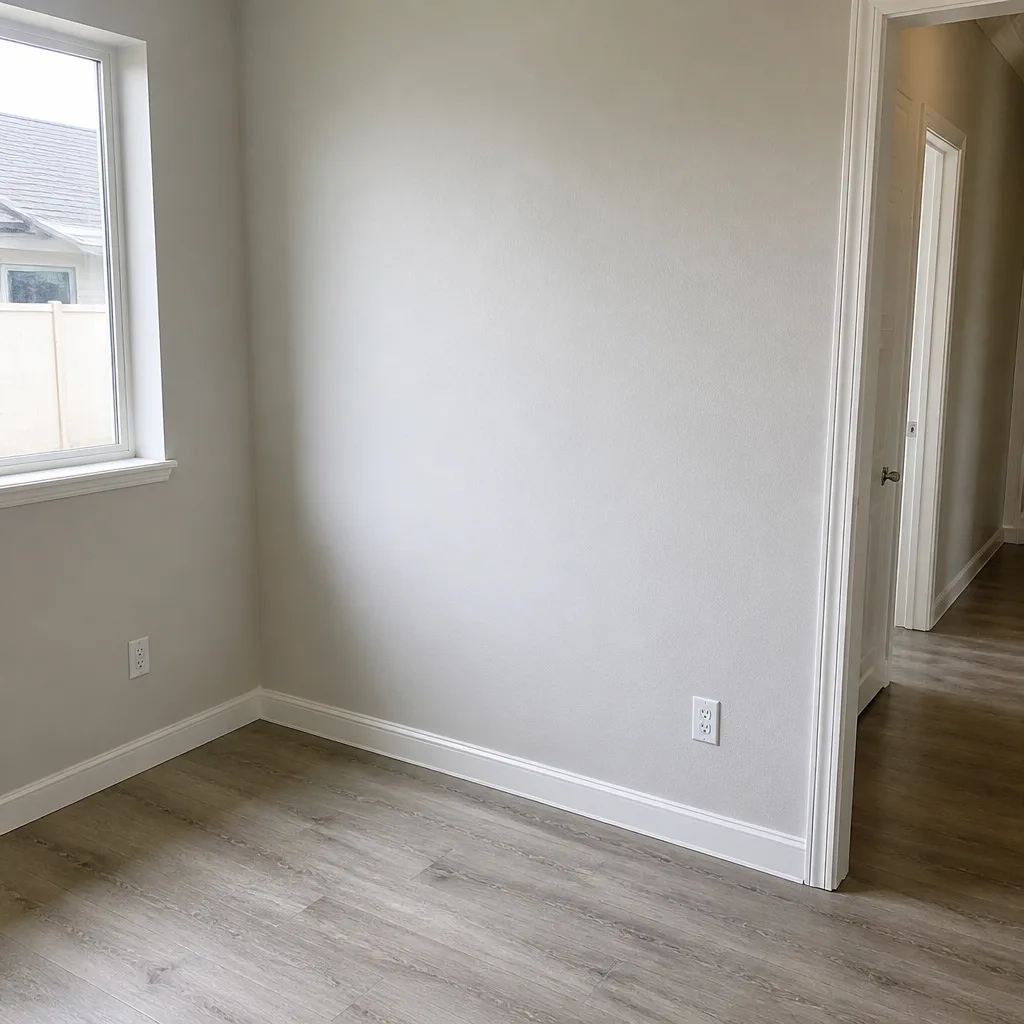
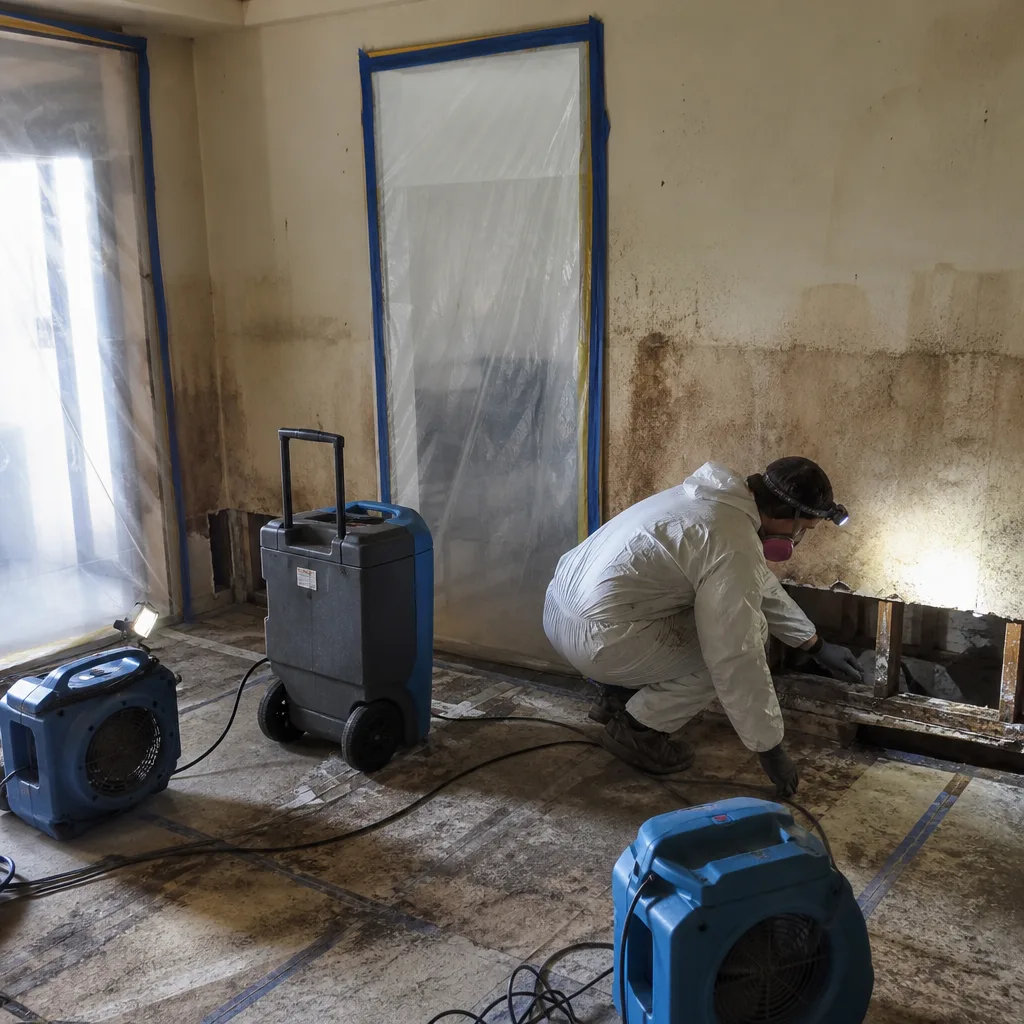
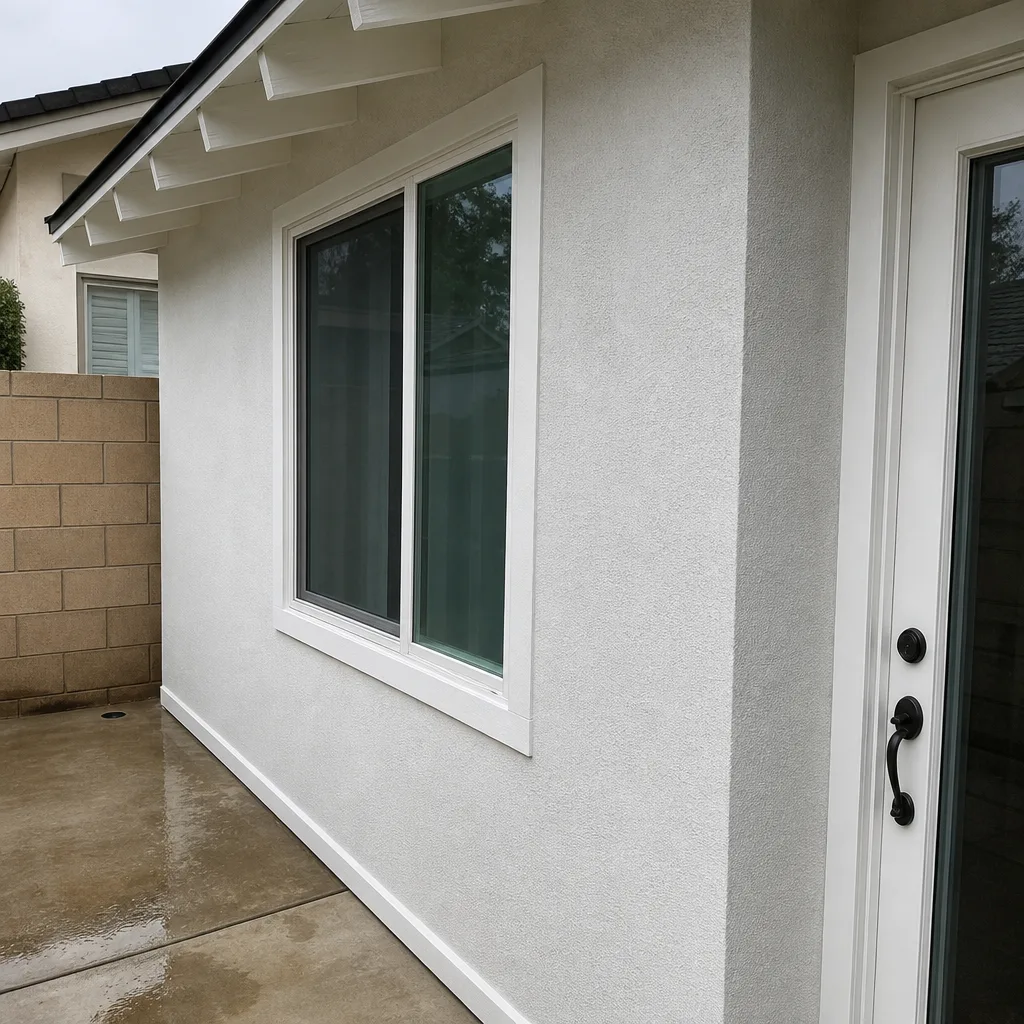
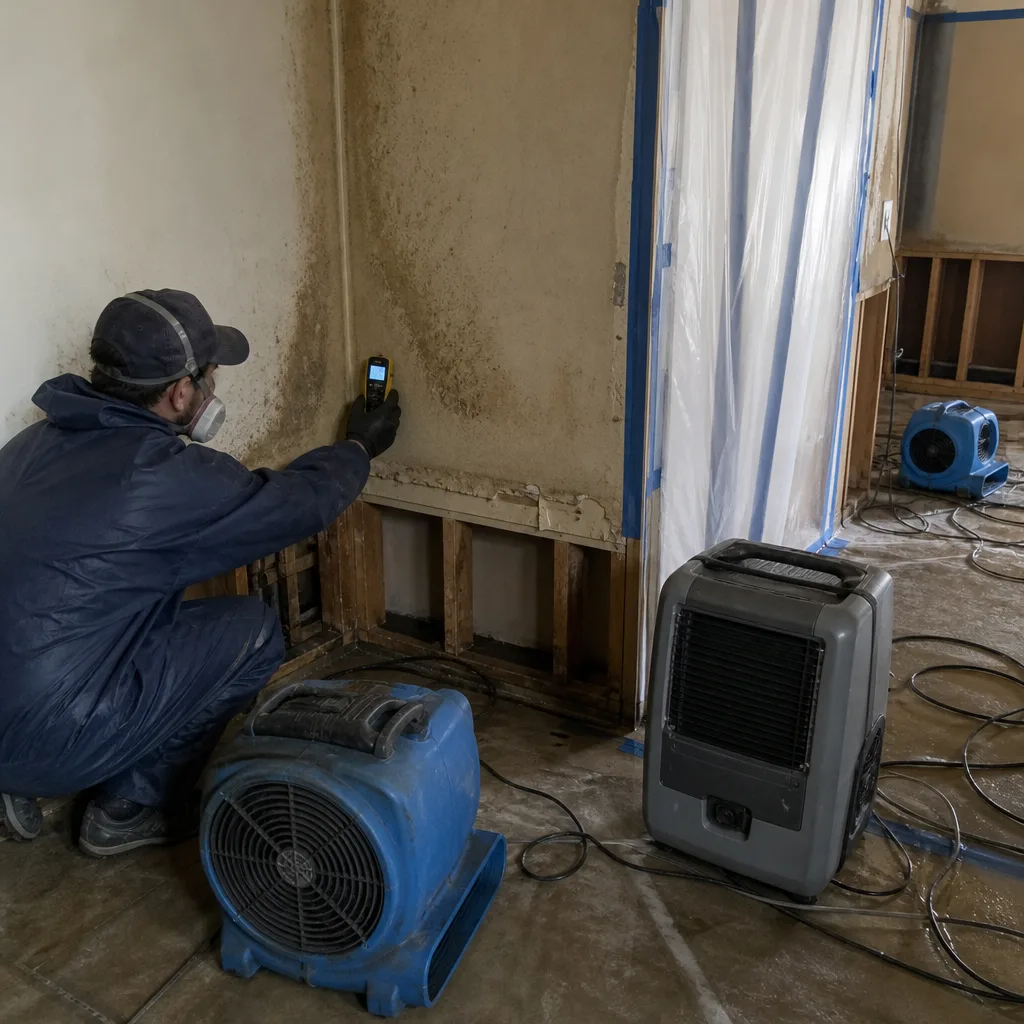
See the difference
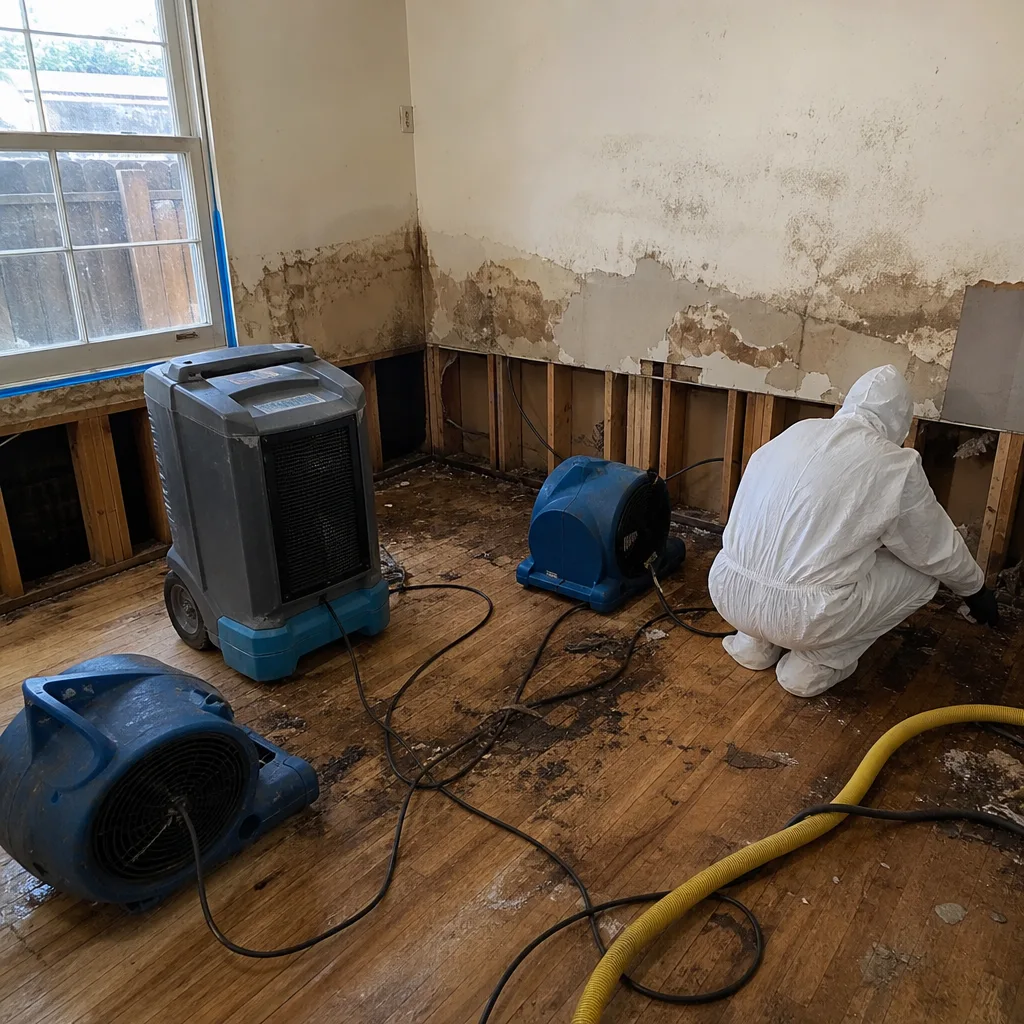 Before
 After
 Before
 After
 Before
 After