
Last updated October 30, 2026
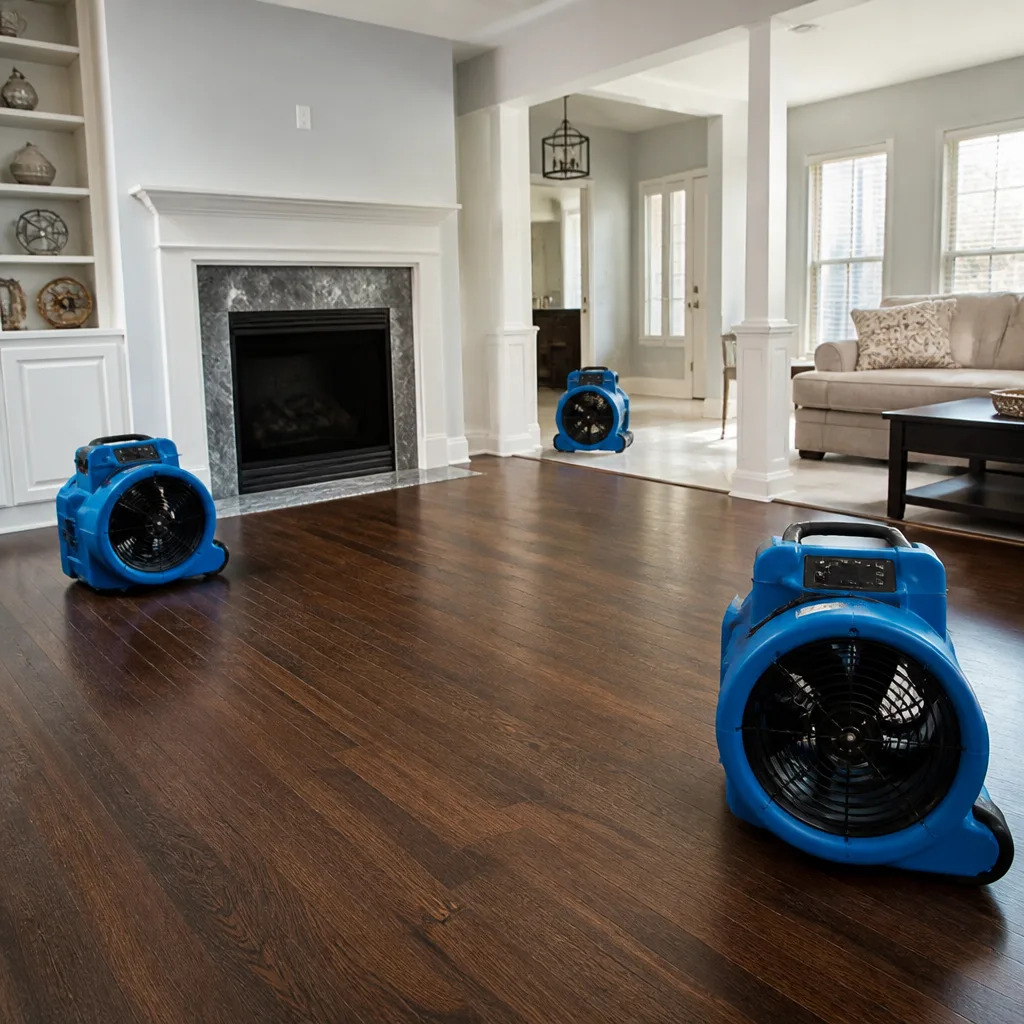 Water damage drying
 Fire & smoke cleanup
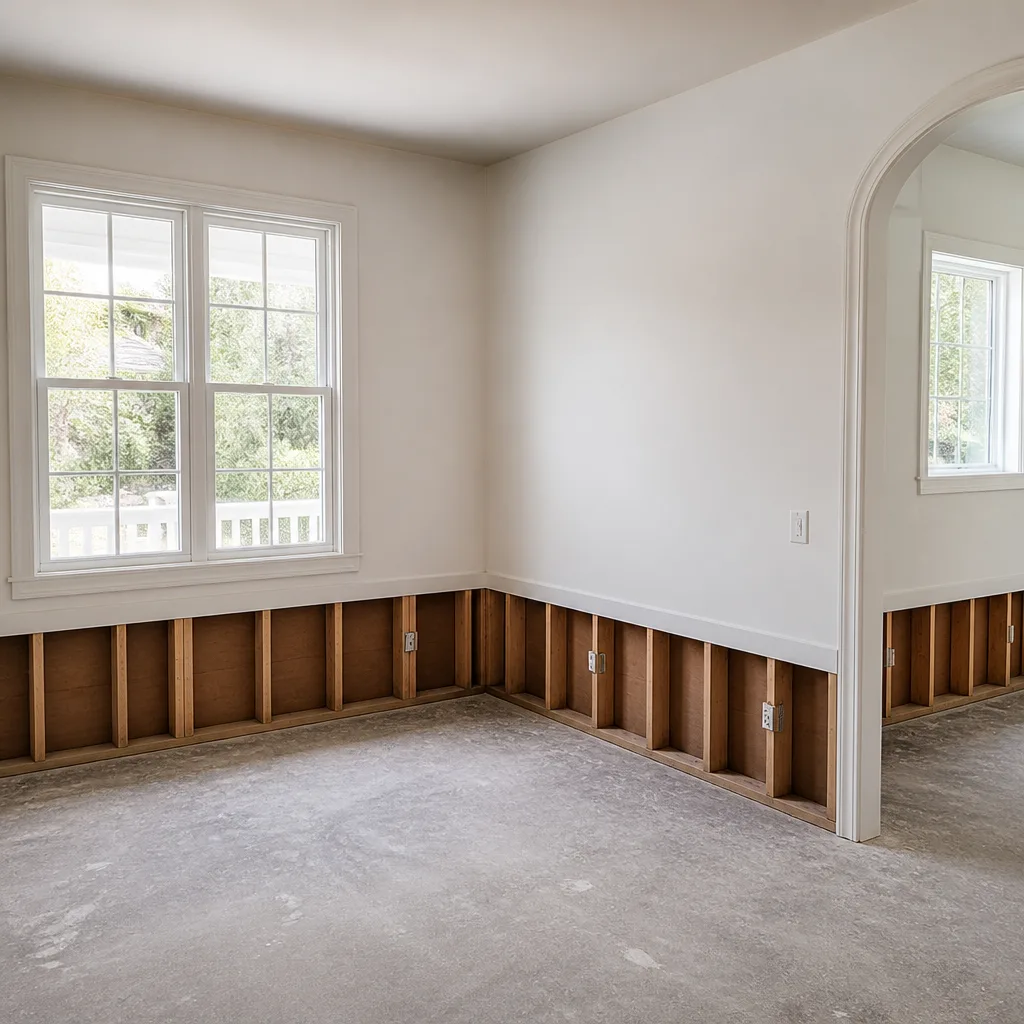 Mold remediation
 Storm response
 Sewage cleanup
 Reconstruction
Free visual inspection and a written scope of work before any mitigation begins - photos, moisture readings, and drying logs go in your claim file
The scope we write is the scope we bill. Anything new gets shown to you, in writing, before we touch it.
Get your free estimateDamage Restoration Permits, Codes & Inspections in CA: What You Need to Know
In California, unpermitted restoration work on a damaged structural wall doesn’t just create a code violation. It can legally constitute a material defect that must be disclosed when you sell the property, and some insurers now treat unpermitted repairs as grounds to deny future claims on that same area. Most homeowners in Costa Mesa discover this reality only after the work is done, when a sharp-eyed buyer’s inspector flags the discrepancy or an adjuster starts asking questions the paperwork cannot answer. This guide maps the actual permit triggers under California building code, the inspection sequence for fire damage, the strange legal status of mold remediation, and the after-the-fact permit pathway that exists for work already completed. For more guides & resources on navigating restoration in Orange County, see our blog. By the end, you will understand precisely which restoration scopes require a permit, which fall under like-for-like repair exemptions, and where Orange County’s enforcement tends to be strictest.
Restoration work we handle
Quick Answer
In California, damage restoration permits are generally required when work alters structural framing, load-bearing walls, electrical systems, plumbing lines, or changes the square footage or use of a space. Like-for-like replacement of finishes (drywall, insulation, carpet, paint) on non-structural damage typically does not require a permit in Costa Mesa and most Orange County jurisdictions. The trigger is almost never the word “restoration” itself. The trigger is whether the scope touches structural, mechanical, electrical, or plumbing systems, or whether it crosses into alteration rather than repair. When in doubt, check with the Costa Mesa Building and Safety Division before cutting any framing.
Table of Contents
- When Restoration Actually Triggers a Permit in California
- The Like-for-Like Repair Exemption: What It Covers and Where It Ends
- California Health & Safety Code 17920.3 and Substandard Building Conditions
- Fire Damage: The Title 24 Inspection Sequence
- Mold Remediation Licensing in California: Why No State License Exists
- After-the-Fact Permits in Orange County: How the Process Works
- Common Mistakes to Avoid
- When to Call a Professional
- Frequently Asked Questions
- The Bottom Line
When Restoration Actually Triggers a Permit in California
The California Building Code (CBC), adopted statewide with local amendments, defines permit triggers through Section 105.1 of the building code and the California Residential Code. A permit is required when work involves the construction, enlargement, alteration, repair, movement, improvement, removal, conversion, or demolition of a building or structure. That sounds sweeping. In practice, enforcement narrows to specific scopes. Here are the restoration scopes that consistently trigger permit requirements in Orange County jurisdictions, including Costa Mesa:
- Structural framing repair or replacement. If water damage, fire damage, or rot has compromised studs, joists, rafters, sill plates, or shear wall panels, a permit is required. This is not discretionary. Cutting out and replacing load-bearing framing without a permit creates exactly the kind of undisclosed material defect California real estate disclosure law treats as a lawsuit waiting to happen.
- Shear wall repair. In seismic zones, and all of Costa Mesa qualifies, shear wall panels and their hold-down hardware are code-critical. Replacing drywall on a shear wall requires inspection of the nailing pattern before the wallboard is closed up. Skipping this is the single most common unpermitted work we see in water-damage reconstruction.
- Electrical system work beyond like-for-like device replacement. If water or fire damage requires rewiring, circuit replacement, panel work, or moving outlets and switches, an electrical permit is required. Replacing a scorched outlet with a new outlet of the same rating is exempt. Replacing a section of damaged Romex back to the panel is not.
- Plumbing line repair beyond fixture or stop-valve replacement. Replacing a damaged supply line, drain line section, or water heater connection requires a plumbing permit. Replacing a fixture is exempt.
- HVAC ductwork replacement. Fire and mold damage often requires duct replacement. Ductwork replacement is a mechanical permit item in California when the scope includes more than a single section or register.
- Any change to the building envelope. Adding or moving windows, doors, vents, or skylights as part of restoration requires a permit. Even “restoring to original” matters when original means an older, now-noncompliant configuration.
What surprises most homeowners in Costa Mesa is that “the contractor said no permit was needed” is not a legal defense. The property owner bears ultimate responsibility for permit compliance under California law, regardless of what a contractor communicated. A credible restoration specialist will tell you which scopes require permits before work starts, in writing, and will not offer to skip the inspection to save time. The consequences of unpermitted structural work in an Orange County resale context include disclosure obligations, buyer financing delays, and appraiser value adjustments. In our experience with water damage restoration in Lakeview, the properties that resell most smoothly are the ones where every structural repair has a final inspection card on file.
The Like-for-Like Repair Exemption: What It Covers and Where It Ends
California building codes carve out a repair exemption that trips up both homeowners and contractors. The 2022 California Building Code, Section 105.2, lists work exempt from permits. The key language involves “like-for-like” replacement that does not affect structural integrity, means of egress, fire protection systems, or accessibility. In practice, here is where the line falls for restoration work in Costa Mesa:
Exempt (no permit required):
- Replacing drywall on a non-structural partition wall where the studs, top plate, and bottom plate are intact.
- Replacing insulation batts in a wall or ceiling cavity where no framing was altered.
- Painting, texturing, and finish work after drying is complete.
- Replacing carpet, pad, and resilient flooring in kind.
- Replacing baseboards, casing, and door trim.
- Replacing an outlet or switch with a same-rated device. Note: this is an electrical repair exemption, not a general electrical permit exemption.
- Replacing a P-trap, angle stop, or supply line at a fixture.
Not exempt:
- Replacing drywall on a sheer wall or any wall that provides lateral resistance. The nailing schedule and panel grade are code matters that must be inspected.
- Replacement of any structural member: header, king stud, floor joist, rafter, or sill plate.
- Any work affecting fire-rated assemblies, including shared walls in condominiums and townhomes. Costa Mesa has a significant attached-housing stock where this matters.
- Modifying or relocating any plumbing, electrical, or mechanical element.
- Replacing a water heater or any appliance connected to gas service.
- Any change to insulation levels or assembly thickness that alters the wall or ceiling profile in a way that affects egress or fire separation.
The like-for-like exemption tends to be interpreted more narrowly in Costa Mesa and surrounding Orange County cities than in some other parts of the state, particularly for multifamily and condominium properties where fire-rated assemblies are involved. If water damage requires opening a wall that turns out to be a fire-rated shaft wall in a condo building, the exemption disappears. The work becomes a permit project because the assembly itself is code-critical. This is one of the most frequent surprises we see in mold remediation projects in Lakeview and adjacent Costa Mesa neighborhoods, where attached construction is common and the distinction between a partition wall and a fire-rated wall is not always visible from the finished surface.
California Health & Safety Code 17920.3 and Substandard Building Conditions
California Health & Safety Code Section 17920.3 defines what constitutes a substandard building. The definition matters for restoration work because it is the legal standard that triggers enforcement by local building officials and code enforcement officers. A property is substandard when, among other conditions, it has:
- Structural hazards from deterioration, damaged framing, or inadequate shear resistance.
- Dampness of habitable rooms, defined as visible moisture, standing water, or chronic humidity sufficient to support mold growth.
- Sanitation deficiencies including sewage backup or drainage failures.
- Wiring hazards including deteriorated or damaged electrical systems.
- Fire hazards including damaged egress paths or compromised fire protection assemblies.
Here is what this means for restoration. When a property in Costa Mesa has active water damage that has progressed to dampness in habitable rooms, the building is legally substandard under 17920.3. That status exists regardless of whether anyone has filed a complaint or an inspector has visited. It is a condition defined by law. If a code enforcement officer does visit, for any reason, that substandard condition can result in a notice of violation, a requirement to obtain permits and complete repairs, and in some cases a referral to the city attorney.
For homeowners working through insurance claims, this legal reality has a practical effect: you cannot simply ignore water damage or mold growth while you negotiate with an adjuster. The property is accruing code liability in the background. In Costa Mesa, with its coastal humidity and older housing stock concentrated in neighborhoods like the Westside and College Park, dampness conditions that go unaddressed for months are precisely what triggers 17920.3 findings. A restoration specialist who documents the condition, the scope of repair, and the completion of the work to code is not just fixing a house. That documentation is your legal evidence that the substandard condition was remediated correctly. That evidence matters when you sell, when you refinance, and when you answer buyer inspection reports. The Oxford Restoration Co home team has worked on properties where code enforcement visits turned into permit requirements retroactively, and the cost of doing the work twice, once wrong and once right, dwarfed what doing it properly the first time cost.
Fire Damage: The Title 24 Inspection Sequence
Fire damage restoration in California follows a specific inspection sequence under Title 24 of the California Code of Regulations and the California Building Code’s fire-resistance requirements. The sequence exists because hidden structural damage from heat exposure cannot be verified by visual inspection alone. Here is the inspection order for a structural fire repair in Costa Mesa, as enforced by the Building and Safety Division:
- Demolition inspection. Before any structural member is removed or altered, the building official must observe the exposed conditions. Fire-damaged framing is often visibly charred, but heat can compromise wood fiber strength beyond the char layer. The demolition inspection establishes the baseline for what gets replaced versus retained. Skipping this means you are guessing about the structural integrity of members that will later be hidden behind drywall.
- Structural framing inspection. After damaged members are removed and before new framing is installed, the inspector verifies that the remaining structure is sound and that plans match the field conditions. For load-bearing walls and roof assemblies, this inspection is non-negotiable.
- Electrical rough inspection. Fire-damaged wiring must be replaced or, where permitted by code, spliced in accessible junction boxes. The rough electrical inspection verifies wire gauge, circuit protection, and secure connections before any insulation or wallboard covers them.
- Plumbing and mechanical rough inspection. If plumbing or ductwork was damaged, the rough inspection covers pressure testing, venting, and duct sealing. In fire repair work, duct replacement is common because smoke contamination inside ductwork is not removable by cleaning alone in most cases.
- Insulation inspection. Before wallboard is installed, the inspector verifies that the insulation type and R-value match what is required under Title 24 Part 6 (Energy Code). Fire repair work that involves new insulation triggers the energy code requirements, and this inspection is where compliance is documented.
- Wallboard nailing inspection (shear wall only). For any wall that serves as a shear wall, the nailing pattern, panel thickness, and hold-down hardware must be inspected before the wallboard is mudded and taped. This inspection cannot happen after the fact without destructive testing.
- Final inspection. After all finishes are complete, the final inspection verifies that the entire scope of permitted work was done as approved. It also confirms that smoke detectors and carbon monoxide detectors comply with current code, which may require upgrading older detectors even if they were not directly damaged.
The documentation that results from these inspections is what a future buyer’s inspector will look for. In Costa Mesa, where fire-damaged properties sometimes sit on the market after incomplete repairs, the difference between a house with full inspection records and one without is often the difference between a standard sale and a price reduction. Fire restoration work performed to code with documentation is an asset. The absence of that paper trail is a liability. Fire damage restoration in Lakeview, where older homes have mixed framing types, often requires more thorough inspection sequencing because pre-code construction interacts unpredictably with modern code requirements.
Mold Remediation Licensing in California: Why No State License Exists
California does not license mold remediation contractors. This surprises most homeowners, and the lack of a licensing category explains a good deal about the variation in remediation quality across the state. Unlike general contractors, who hold licenses through the Contractors State License Board (CSLB), mold remediators in California operate without a specific professional license. The state has considered licensing legislation multiple times, most notably Senate Bill 732 in 2015 and Assembly Bill 2952 in 2016, but neither passed. The closest regulatory framework is the California Department of Public Health’s voluntary mold guidance document, which has no enforcement authority.
Here is what this means for contractor accountability during a mold remediation project in Costa Mesa. Because no state license exists, the work falls into one of three operational models:
- A licensed general contractor performs the work. This means the CSLB has oversight authority, the contractor has bond and workers’ compensation requirements, and you have a regulatory body to file complaints with. However, a general contractor’s license says nothing about mold remediation competence.
- A restoration company performs the work under a general building contractor license. The restoration industry’s own standards, set by the IICRC, define the professional standard of care. IICRC-certified firms follow the S520 Standard for Professional Mold Remediation, which exists precisely because no California regulatory standard does.
- An unlicensed individual performs the work. This is legal for mold remediation, unlike structural work, because no license is required. It also means no bond, no workers’ compensation requirement, no regulatory oversight, and no complaint mechanism beyond civil litigation.
The practical implication for a Costa Mesa homeowner dealing with mold is that you must verify competence through means other than license lookup, as explored in our DIY vs Professional Damage Restoration: The Costa Mesa Homeowner’s Decision Guide. The IICRC certification, membership in the RIA (Restoration Industry Association), and affiliation with the IFA are the closest proxies the industry has to a credential. When you hire a mold remediation contractor, ask whether their process follows the IICRC S520 standard. Ask whether containment will be engineered with negative air pressure, whether clearance testing is included or available, and whether a written scope of work will precede any demolition. A contractor who cannot answer those questions clearly in Costa Mesa is not operating to any standard you can hold them to. This is one of the reasons Oxford Restoration Co performs mold remediation to the IICRC S520 standard as a matter of internal policy. When the state has no standard, the standard you choose matters more, not less.
After-the-Fact Permits in Orange County: How the Process Works
After-the-fact permits exist because the California Building Standards Code recognizes that unpermitted work happens and that requiring demolition of completed work is sometimes disproportionate to the violation. Filing for an after-the-fact permit in Orange County is a real pathway, but it has specific evidentiary requirements that surprise homeowners who assume the process is a formality.
The after-the-fact permit process in Costa Mesa works like this:
- File a permit application. You apply for the same permit that would have been required before the work began. The application requires drawings or a site plan showing the work. For structural repairs, the city may require a structural engineer’s assessment of the completed work.
- Pay the permit fee plus a penalty. Most Orange County jurisdictions, including Costa Mesa, assess an investigation fee or penalty that is typically a multiplier of the standard permit fee. The multiplier ranges from 1.5x to 3x the original fee depending on how long the unpermitted work has been in place and whether the city discovered it or you self-reported.
- Expose the work for inspection. This is the step that catches people off guard. The inspector cannot verify concealed work without seeing it. You will need to cut open walls, remove ceiling sections, or expose framing so the inspector can verify that the work is code-compliant. Invasive inspection is a feature of the after-the-fact process, not an option to delegate away.
- Correct any deficiencies. If the inspector finds non-compliant work, you must correct it before the permit is finalized. This sometimes means removing and redoing completed work. The correction scope is not negotiable based on “it was already done.”
- Receive final inspection approval. Once all exposed work passes inspection, the permit is finalized, and the work is no longer “unpermitted” in any legal or disclosure sense.
The after-the-fact pathway is widely used in Costa Mesa for exactly the scenario this guide opened with: restoration work that was done under a contractor’s assurance that no permit was needed, followed by the discovery during a sale or refinance that a permit was in fact required. The process is not punitive in most cases. Costa Mesa’s Building and Safety Division processes after-the-fact permits routinely and without moral judgment. But the invasive inspection requirement means you cannot convert unpermitted work to permitted work without opening walls. For homeowners weighing the decision to self-report or to sell as-is with a disclosure—a dilemma detailed in our Damage Restoration Warning Signs: A Costa Mesa Homeowner’s Reference Guide—the question is almost always settled by the buyer’s inspector. If hidden unpermitted structural work will be found, better to do the after-the-fact permit before listing than to negotiate a credit after inspection.
Common Mistakes to Avoid
- Accepting a contractor’s verbal assurance that no permit is needed. The contractor is not liable for the disclosure obligation that falls on you at resale. Get the determination in writing, and if the contractor refuses to provide one, treat that as the answer.
- Treating drywall replacement as always exempt. In Costa Mesa’s attached housing stock and older single-family homes, walls that look like ordinary partitions sometimes serve as shear walls or fire-rated assemblies. The visual appearance of the finished wall tells you nothing about its code function.
- Reconstructing fire-damaged areas without insulation and wallboard inspections. This skips two distinct inspection points in the Title 24 sequence, and the work is permanently concealed afterward. There is no way to verify compliance later without tearing walls open.
- Hiring a mold remediator who cannot cite the IICRC S520 standard. California’s lack of a mold remediation license means you are responsible for verifying competence. A contractor who cannot discuss the standard they work to is working to no standard you can enforce.
- Believing that insurance approval replaces permit approval. Insurance companies pay for scope of work; they do not determine code compliance. An adjuster’s authorization of a repair does not waive the permit requirement.
- Waiting until escrow to address unpermitted restoration work. At that point, you are negotiating from weakness. The after-the-fact permit process takes time and requires invasive inspection. Doing it before listing puts you back in control of the timeline.
- Filing an after-the-fact permit without understanding the invasive inspection requirement. The city will need to see the concealed work. If you are not prepared to open walls, the permit application stalls, and the unpermitted status remains unresolved.
When to Call a Professional
You should call a restoration professional rather than attempting permit navigation yourself when structural framing is involved, when a fire has affected load-bearing members or wiring, when mold growth exceeds 10 square feet, or when you are already inside an insurance claim and the adjuster’s scope conflicts with what the building code requires. See How to Hire a Damage Restoration Contractor in Costa Mesa: A Step-by-Step Guide for vetting criteria. These are not scenarios where a homeowner’s research effort replaces professional judgment. The cost of getting a permit sequence wrong is not the permit fee, which is modest. It is the cost of exposing hidden work, correcting deficiencies, and the disclosure-driven price reduction at resale. Oxford Restoration Co offers free estimates in Costa Mesa, call (877) 265-8058. We walk through permit requirements in writing before any work starts, and that scope document is what protects you later, whether the next person to ask questions is a building inspector, an insurance adjuster, or a buyer’s agent.
Frequently Asked Questions
Water damage restoration requires a permit only when the repair scope includes structural framing, shear wall work, electrical rewiring beyond device replacement, plumbing line replacement, or changes to the building envelope. Like-for-like replacement of drywall, insulation, and finishes on non-structural walls is exempt from permit requirements in Costa Mesa and most California jurisdictions. The determining factor is what systems the damage touched, not the fact that water caused it. Call (877) 265-8058 for a permit assessment before work begins on any structural water damage.
You can sell a house with unpermitted work, but California law requires you to disclose material defects, and unpermitted structural work qualifies as a material defect under the standard California Association of Realtors disclosure forms. Buyers routinely negotiate price reductions or remediation credits when unpermitted work is found during inspection, and some lenders will not finance a property with known unpermitted structural modifications until the after-the-fact permit is resolved. Filing for the after-the-fact permit before listing is usually the less expensive path.
An after-the-fact permit in Orange County typically takes 2 to 6 weeks from application to final inspection, depending on the complexity of the work, the structural engineer’s availability, and the inspection schedule. The invasive inspection requirement means part of that timeline is consumed by opening walls and ceilings to expose the concealed work. Simple scopes can move faster; structural scopes with engineering review move slower.
Mold remediation is not regulated by a specific California licensing requirement. No state mold remediation license exists, and legislation to create one has failed repeatedly. The industry’s de facto standard is the IICRC S520 Standard for Professional Mold Remediation, and firms that are IICRC-certified follow this standard as a matter of professional obligation. When hiring in Costa Mesa, verify IICRC certification and ask specifically whether the work will follow S520.
Insurance companies typically do not file permits for restoration work. The permit responsibility falls on the property owner, and most insurers take the position that code compliance is a separate obligation from claim coverage. What insurance does affect is scope: if the adjuster’s approved scope is less than what the building code requires, you have a gap that must be resolved before work begins, in writing. Document the code-required scope and present it to the adjuster as a supplement.
If unpermitted restoration work is discovered later, the typical sequence is: a notice of violation from the building department, a requirement to file an after-the-fact permit, an invasive inspection that requires opening concealed work, and corrective work if code deficiencies are found. The penalty fee is typically 1.5 to 3 times the original permit fee. In a sale context, the discovery happens during the buyer’s inspection, at which point you are negotiating from the weaker position. Call (877) 265-8058 for guidance on resolving existing unpermitted work in Costa Mesa.
The Bottom Line
California’s permit framework for damage restoration is more specific than most contractors communicate, and the consequences of guessing wrong land entirely on the property owner. Like-for-like repair exemptions cover only non-structural finish work. Structural, electrical, plumbing, and fire-rated assembly work all require permits, and the inspection sequence exists to verify code compliance before anything is concealed. Mold remediation’s lack of a state license means you carry the burden of verifying competence through the IICRC and professional association standards. If unpermitted work already exists, the after-the-fact process is available but exposes what it cannot verify. The most expensive permit is the one you discover you needed after the walls were closed. The least expensive insurance against that discovery is a written scope of work, from a firm that names the permits up front, before any demolition begins. Written by the team at Oxford Restoration Co, serving Costa Mesa since 2011.
See the difference
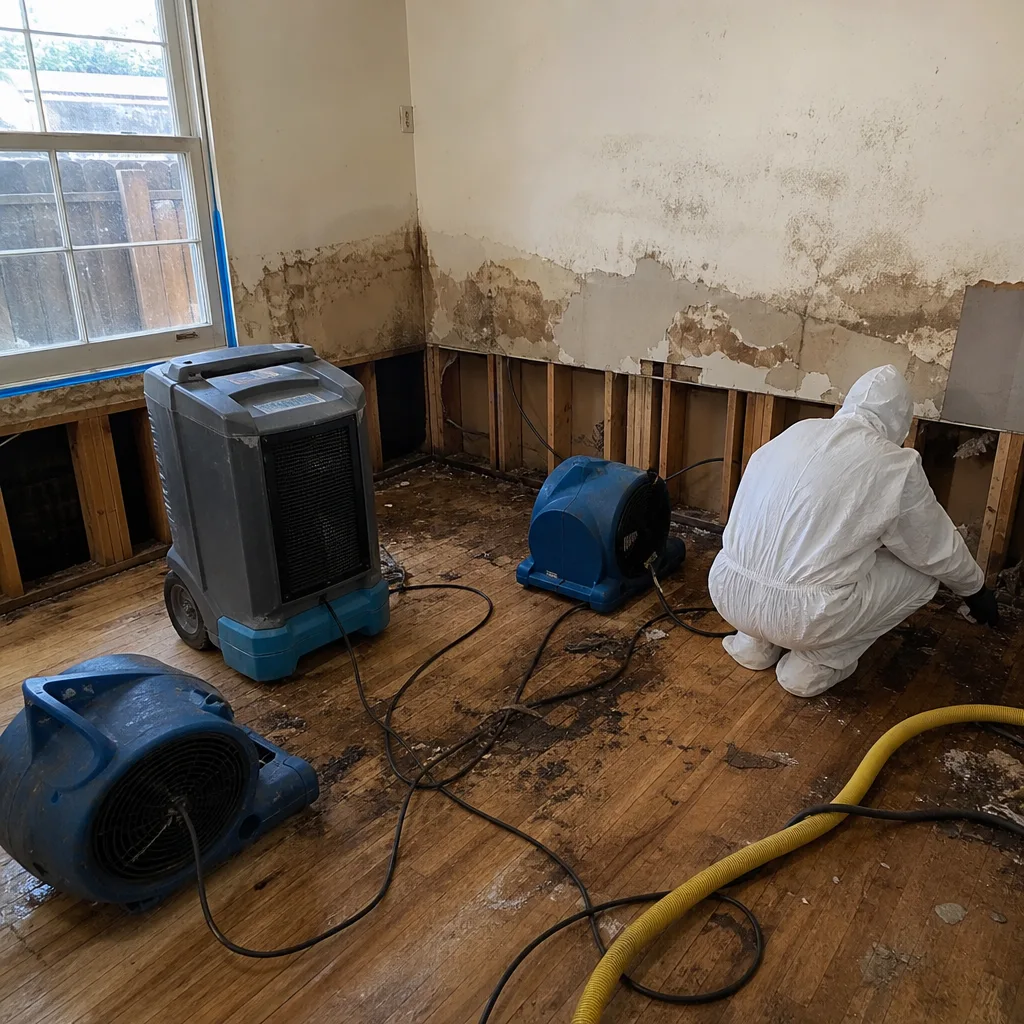 Before
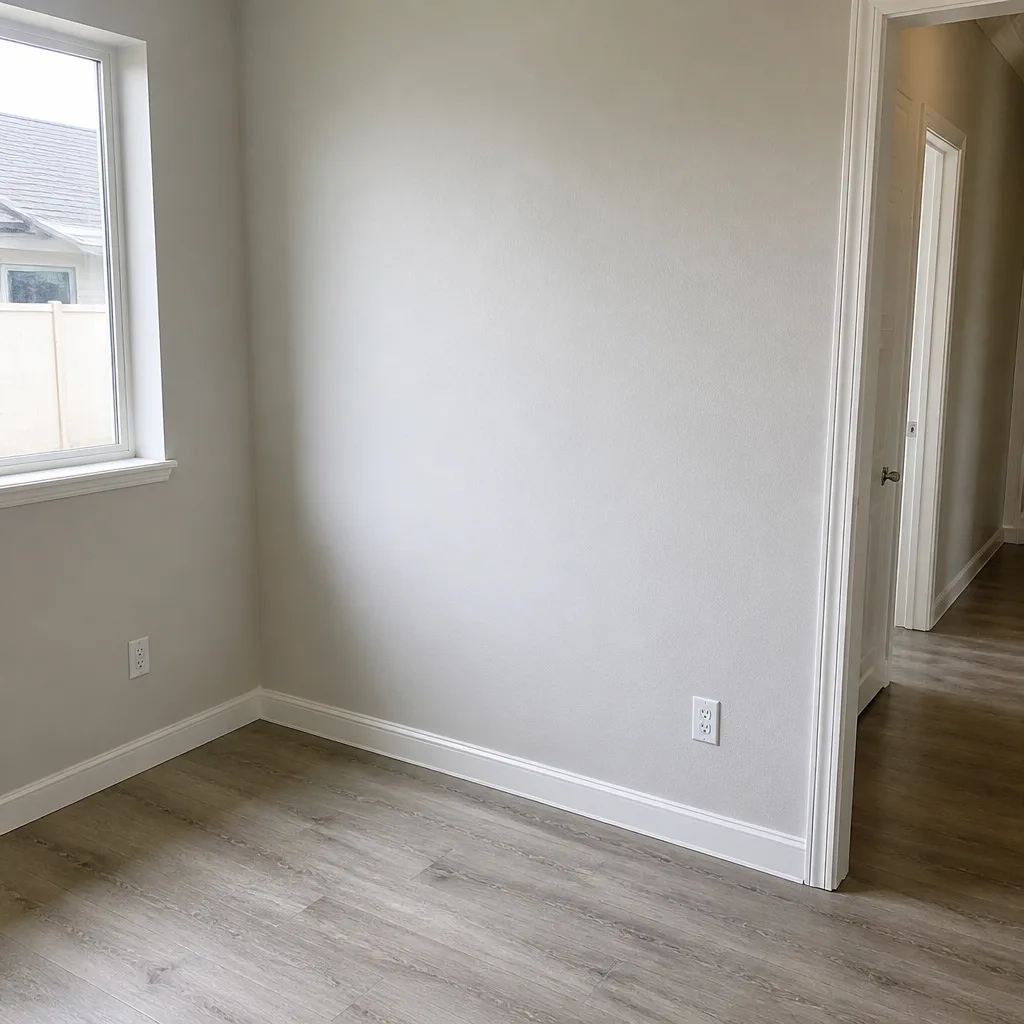 After
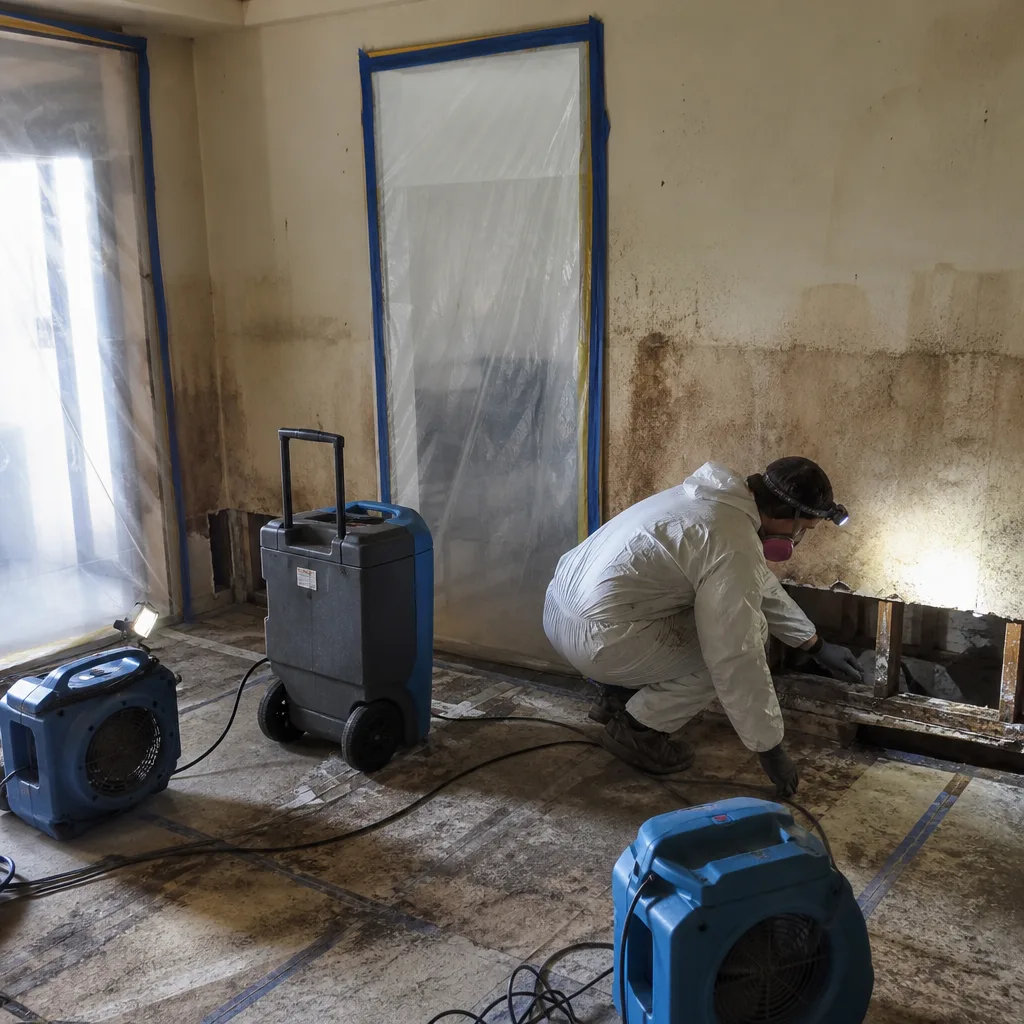 Before
 After
 Before
 After