
 Water damage drying
 Fire & smoke cleanup
 Mold remediation
 Storm response
 Sewage cleanup
 Reconstruction
Free visual inspection and a written scope of work before any mitigation begins - photos, moisture readings, and drying logs go in your claim file
The scope we write is the scope we bill. Anything new gets shown to you, in writing, before we touch it.
Get your free estimateFast, Reliable Water Damage Restoration Across Santa Ana
Water damage in Santa Ana rarely stays in one room, and often not in one unit. In the 92701 and 92703 core, moisture wicks through shared party walls and stucco into an adjacent casita or the neighbor’s side of the wall before anyone notices a stain. Oxford Restoration Co responds to Santa Ana homes with IICRC-certified technicians and industrial drying systems from Dri-Eaz, Phoenix, and Injectidry, chosen because they move enough air and pull enough moisture to dry wall cavities and slab-perimeter framing the first time. We work across 92735, 92799, 92701, and 92702, and we arrive ready to map moisture on both sides of a shared wall, not just the unit that called. If you need someone out now, call (877) 265-8058.
Why Oxford Restoration Co Is Santa Ana’s Preferred Water Damage Restoration Company
Santa Ana’s housing stock is tight, dense, and old enough that a failed pipe is never a single-surface problem. Bungalows and Spanish-style stucco houses from the 1920s through 1950s share walls on narrow lots, and moisture moves through plaster, wood framing, and stucco in ways that don’t show up on a moisture meter pointed at drywall only. Our Water Damage Restoration team is trained to trace water into cavities, under slab edges, and across property lines, which matters in neighborhoods where a converted garage sits three feet from the neighbor’s stucco wall. We carry injectable drying systems and floor mat systems from Injectidry, along with high-capacity air movers from B-Air, so we can dry hidden wall cavities without opening every surface. That means less demolition, less reconstruction cost, and a faster return to normal for the household.
Noel Carrasco leads the crew that responds to Santa Ana. Our reputation in the city is built on a straightforward approach: document what’s wet, measure daily, and show the homeowner and the adjuster the same moisture map. We don’t ask you to trust a name; we hand you a scope and daily logs. That level of documentation matters when a claim involves a converted casita or an unpermitted enclosed patio that never matched the original permit record.
Restoration work we handle
Water Damage Cleanup in Santa Ana
Water Damage Cleanup in Santa Ana is the first priority after a supply line fails, an appliance floods, or a sink drain backs up into a cabinet and the wall behind it. The job starts with stopping the source, extracting standing water, and mapping how far moisture has traveled through flooring, baseboards, and wall cavities. In older Santa Ana homes with slab-on-grade construction, water from a burst kitchen line often runs under vinyl or tile and wicks into the bottom plate of interior walls, which is exactly where drying has to happen or the damage resurfaces weeks later. This phase typically runs $900 to $2,800 depending on affected square footage and the number of rooms involved. A single room with a clean water source on an accessible slab runs lower; a multi-room loss with saturated carpet and pad, wet drywall, and baseboard removal runs higher.
Extraction and Material Removal
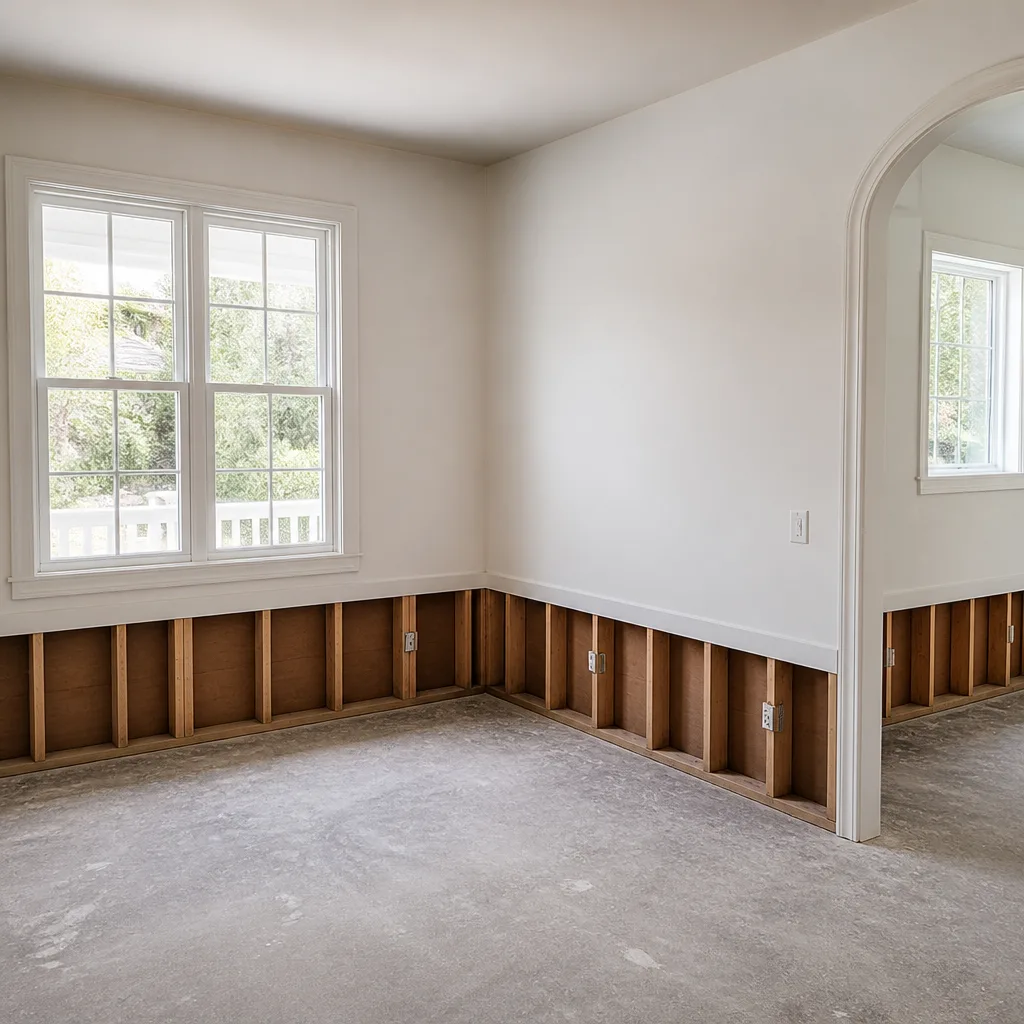
Standing water gets extracted with truck-mounted or portable extraction units before drying equipment goes in. Saturated carpet pad and wet drywall are cut out when they’ve lost structural integrity or when the water is contaminated enough that drying them in place would create more risk. In Santa Ana, where walls are often stucco-over-wood-frame, we are conservative about opening walls only where moisture mapping confirms water is trapped.
Moisture Mapping and Scoping
Before air movers are placed, every affected surface gets measured with a moisture meter and thermal imaging. The scope is written down, shared with you, and used to track progress daily. If part of the building is a converted garage or casita that isn’t on the original permit record, that gets noted and included in the drying plan, so the pre-loss condition record reflects what is actually there.
Emergency Water Damage Restoration in Santa Ana
Emergency Water Damage Restoration in Santa Ana means getting equipment on site the same day you call, because a wet party wall in a 92701 bungalow will start moving moisture into the adjacent unit within hours. The emergency phase includes source shutoff, extraction, and setting initial drying conditions, and it’s the window where speed actually changes the outcome. A typical emergency response and initial setup in Santa Ana runs $1,200 to $3,500 depending on the number of rooms, whether walls or ceilings are involved, and the access path for equipment. A tight alley-loaded townhome with a wet kitchen on the second floor costs more than a single-story bungalow with a flooded garage.
Same-Day Response and Containment
When a Santa Ana homeowner calls with an active leak or a flood in progress, we coordinate same-day arrival and bring containment materials if the water category requires isolation. Clean water from a supply line is treated differently from water that has touched a drain or sat in a slab pocket. We set containment, measure the affected area, and start extraction before the end of the visit.
Drying Systems and Daily Monitoring
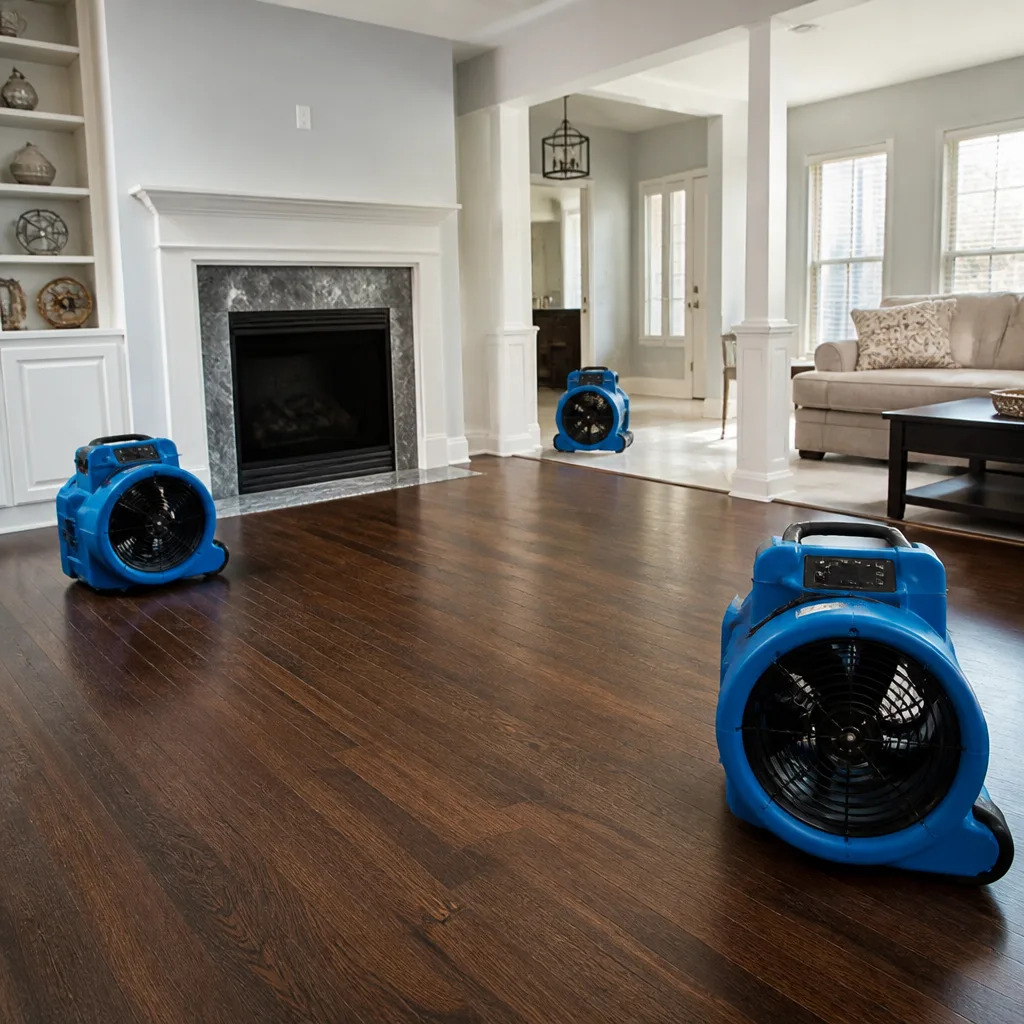
After extraction, the drying plan is matched to the structure. Homes with shared party walls get moisture readings logged on both sides of the wall. Injectidry systems dry wall cavities and under-slab channels without tearing out stucco or drywall, which preserves the original structure and keeps the claim scope smaller. We return daily to log readings, adjust equipment, and document that the drying was done to a measurable standard, not a guess.
Trusted Brands We Service in Santa Ana
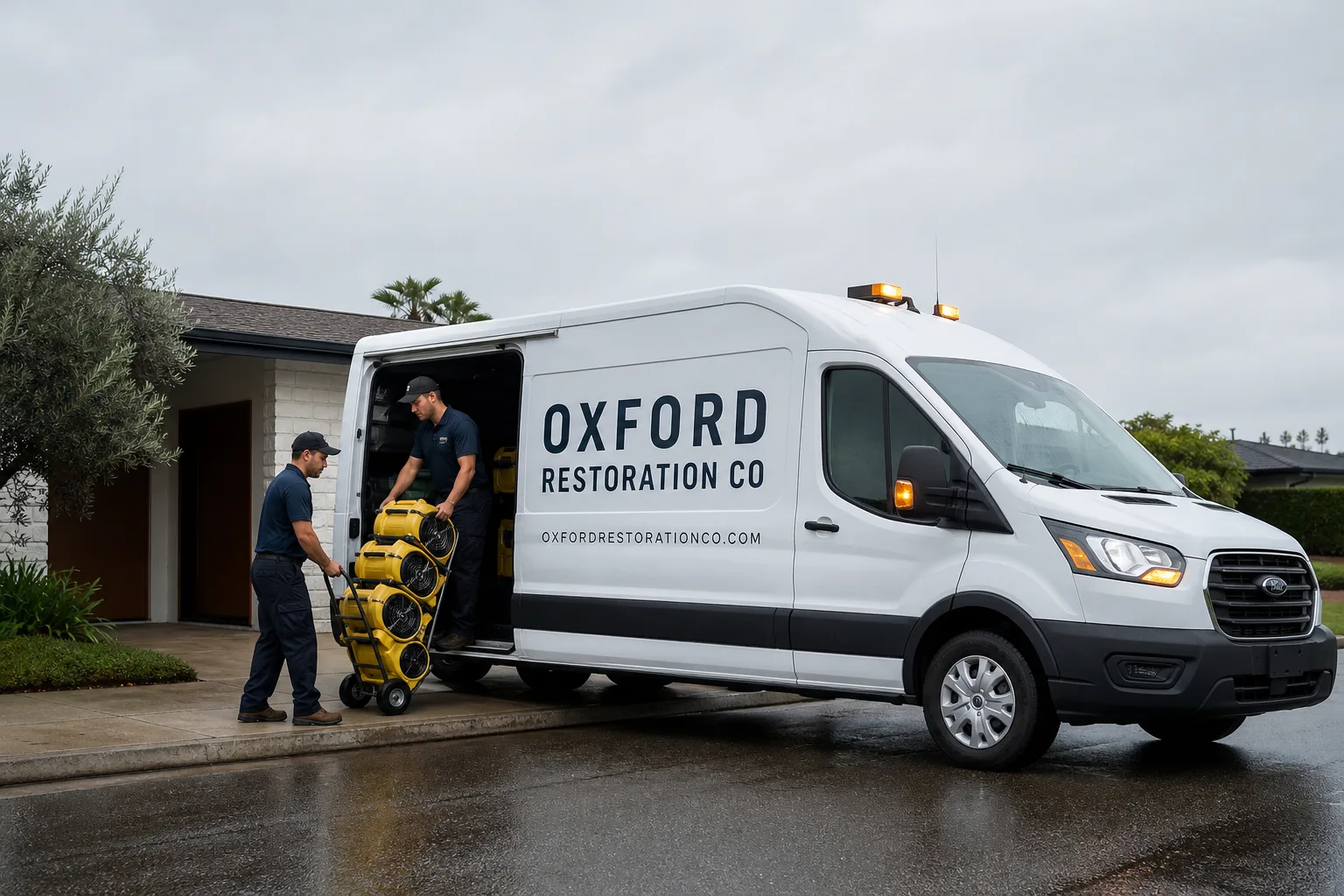
We run the same professional brands commercial restoration firms use, not consumer-grade rentals. Dri-Eaz dehumidifiers and air movers form the drying backbone on most Santa Ana jobs. Phoenix extraction and drying systems handle larger losses. Injectidry panels drive air through wall cavities and under-slab channels, which is the difference between drying a stucco wall from inside the cavity and tearing it open. B-Air equipment adds capacity when we’re running multiple spaces in the same home. Because we stock these systems locally and dispatch from Costa Mesa, we can have equipment rolling to Santa Ana fast, even on tight blocks where parking dictates how much gear goes in on the first trip. We service all units in 92735, 92799, 92701, and 92702.
See the difference
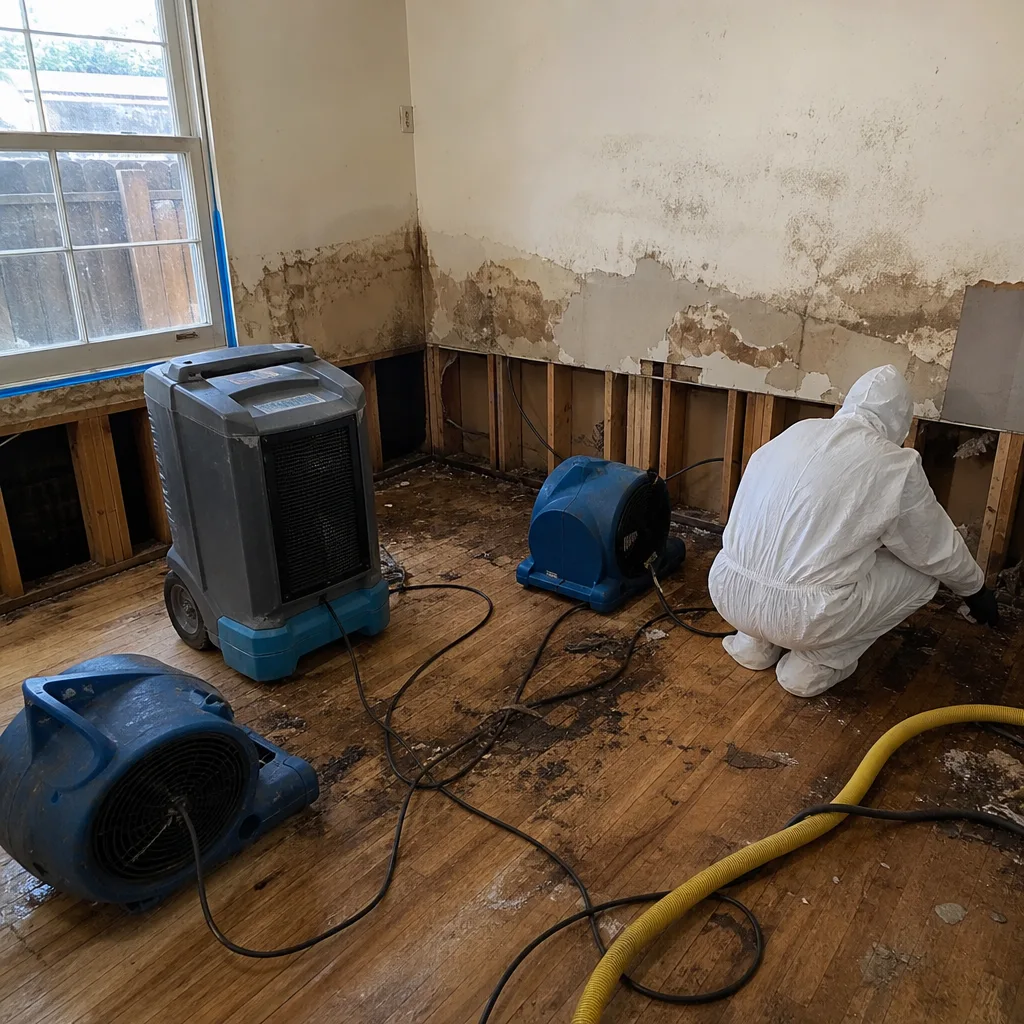 Before
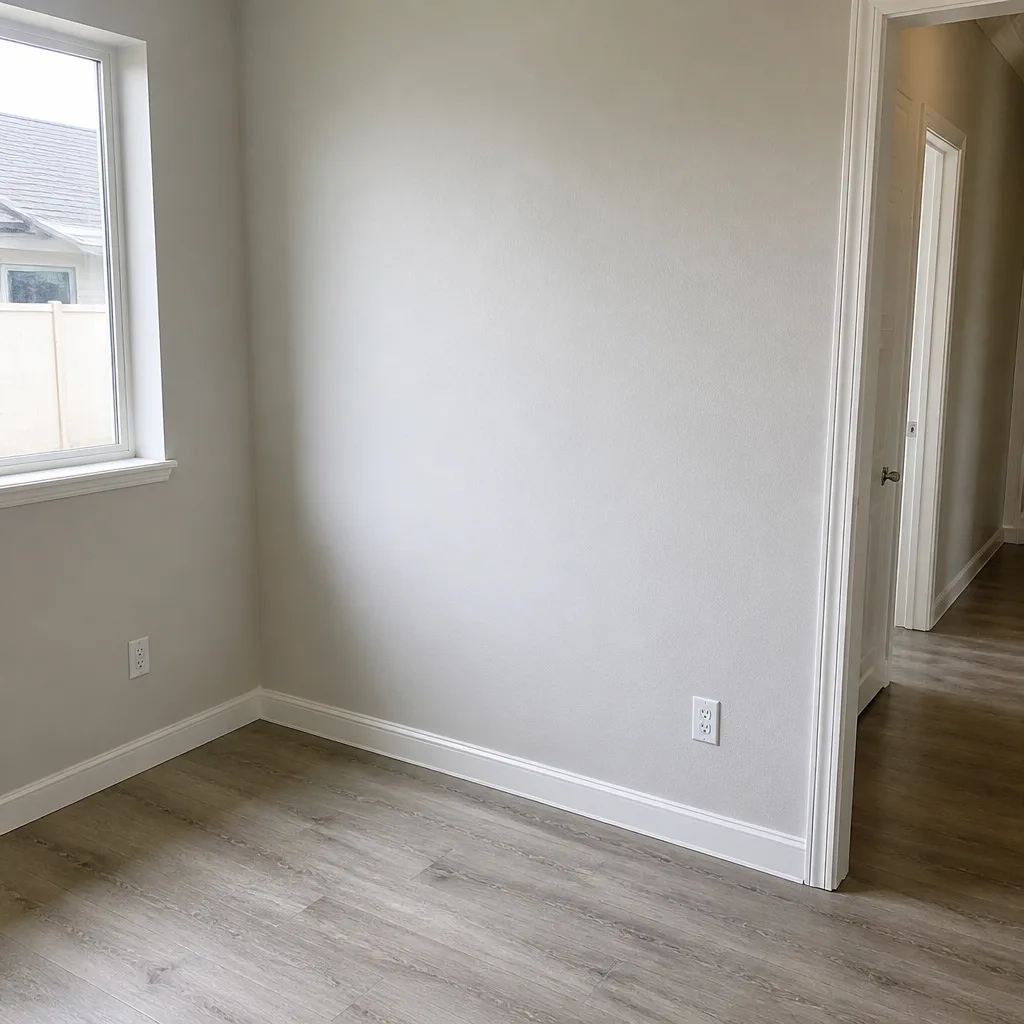 After
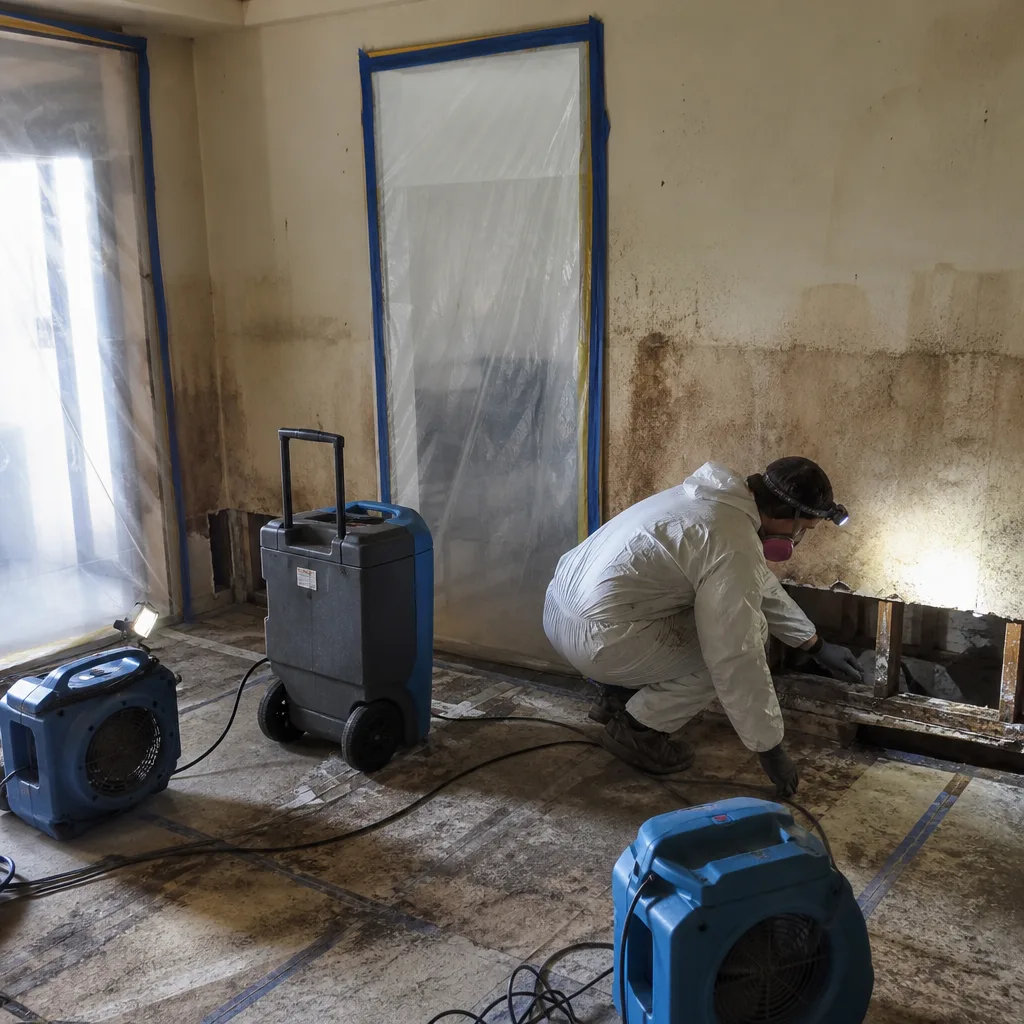 Before
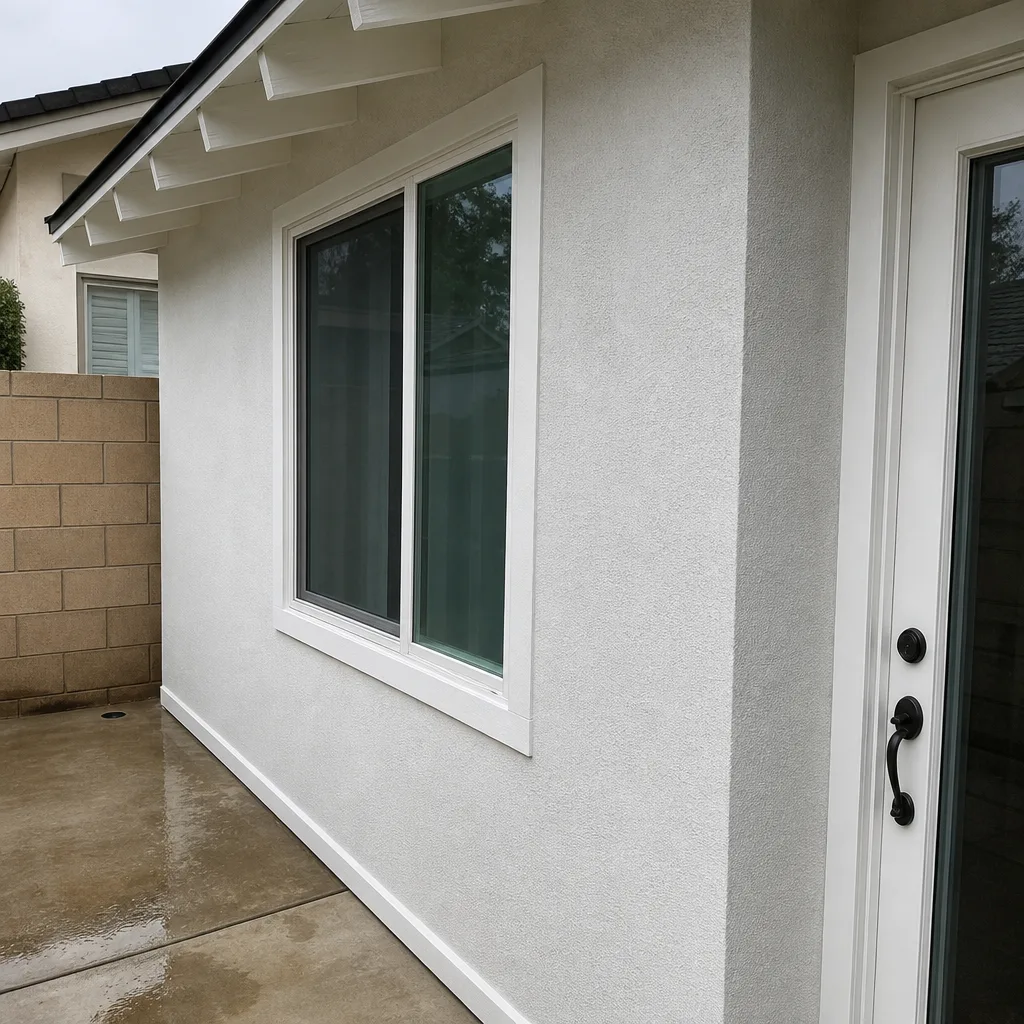 After
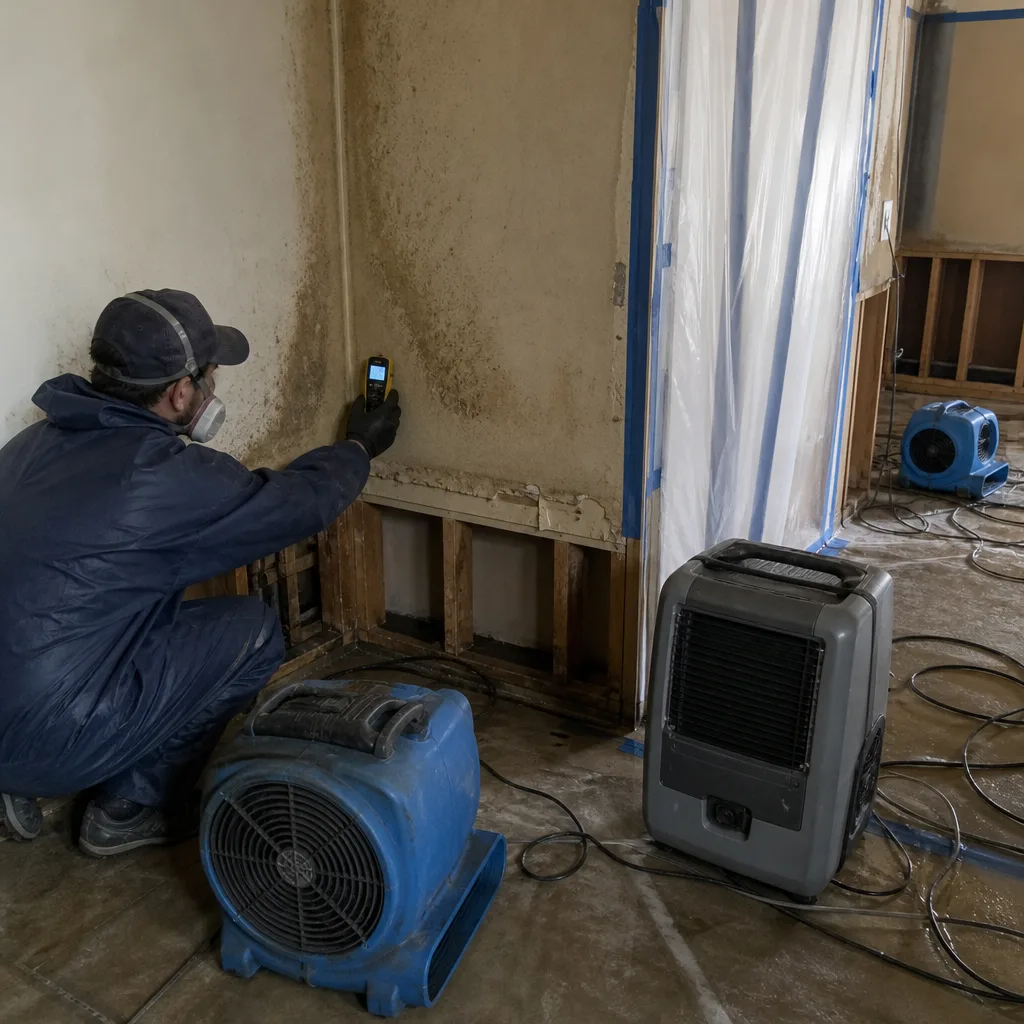 Before
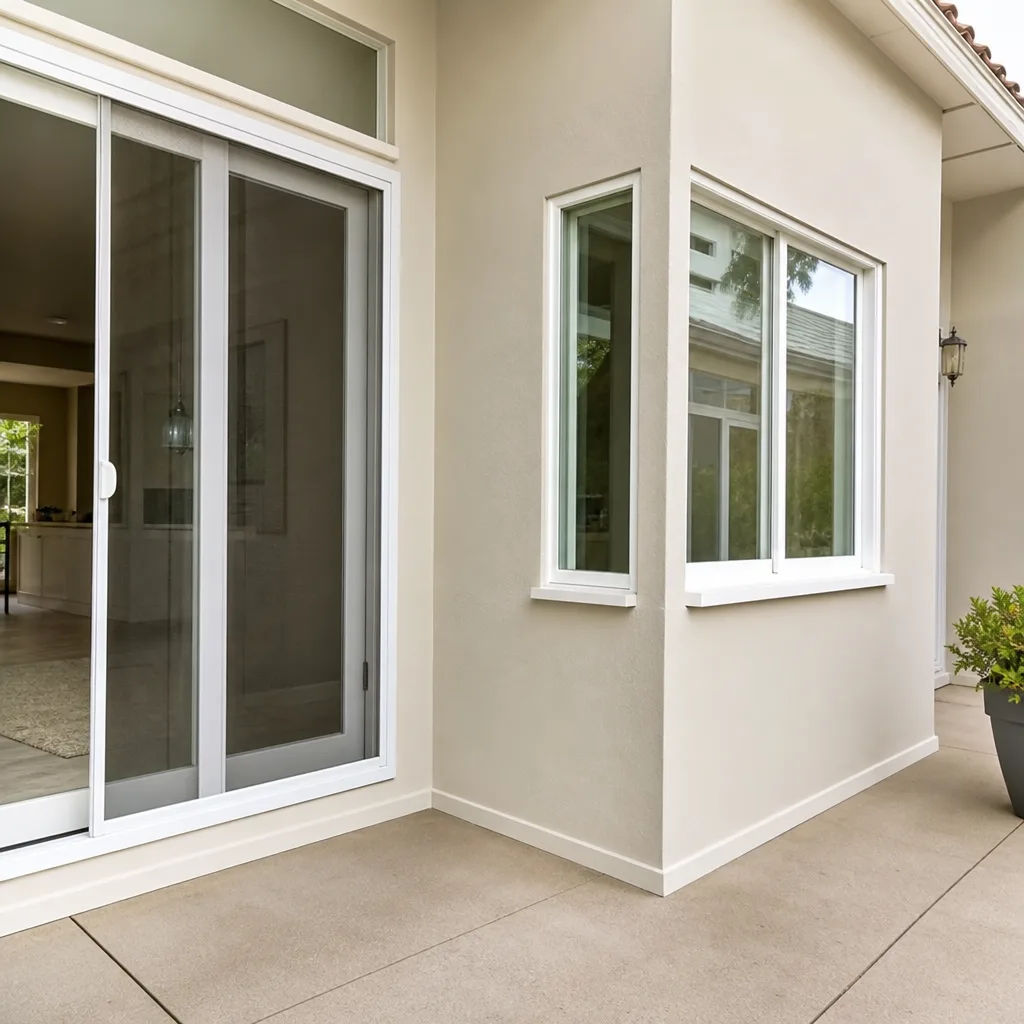 After
Common Water Damage Restoration Problems We See in Santa Ana Homes
- Shared party-wall wicking in 92701 and 92703. Moisture from a burst supply line in one unit migrates horizontally through wood framing and stucco into the adjacent casita or neighbor’s wall. Drying only the unit where the loss was reported leaves hidden moisture on the other side of the wall, and the problem returns.
- Converted garages and unpermitted additions. Garages enclosed decades ago and backyard casitas built without permits often have slab plumbing that was never inspected. Water from those lines runs under the slab and wicks into stucco, and the drying scope has to treat those spaces as part of the structure, not an afterthought.
- Tight alley-load access and parking-strapped blocks. Townhomes and older bungalows near downtown have narrow alleys, small doorways, and little street parking. Crews that roll up with oversized equipment lose time staging gear blocks away. We plan the first trip around what actually fits through a Santa Ana door and down a Santa Ana alley.
- Galvanized and early copper supply lines. Homes built before 1960 often still have galvanized pipe that scales and corrodes from the inside, or early copper that was run without sleeves through slabs. When those lines fail, the water has often been seeping behind stucco for days or weeks before any visible stain appears.
Pricing for Water Damage Restoration in Santa Ana, CA
A single-room water loss in a Santa Ana bungalow, with extraction, drying, and monitoring, typically runs $900 to $2,800. Emergency response with same-day arrival, containment, and initial setup lands between $1,200 and $3,500 depending on rooms and access. Ceiling and roof-leak drying starts around $800 and climbs with the size of the ceiling cavity and whether a second story or attic space is involved. Burst pipe restoration that includes wall removal, cavity drying, and structural drying runs $1,500 to $4,200. Basement water removal, common in older Santa Ana homes with partial basements or sunken utility rooms, runs $1,000 to $2,600. The cost driver is always the same: how far water migrated before it was stopped, and how much of the structure has to be opened to verify it is dry. We provide a written scope before work starts and a free phone estimate. Call (877) 265-8058.
We Also Serve Cities Near Santa Ana
Oxford Restoration Co serves Santa Ana and nearby cities including Tustin, North Tustin, Fountain Valley, and Orange. Response time from our Costa Mesa base is short enough that we are on site in Santa Ana neighborhoods as fast as we are in our own city. We treat Santa Ana’s older housing stock as a specialty, not a drive-through market, and we know the difference between a 1920s stucco bungalow in 92701 and a 1960s tract home in North Tustin.
Serving Santa Ana, CA — Our Local Coverage Area
We’re based in the Santa Ana area and know this community well. Use the map below to see our service coverage — if you’re nearby, we can almost certainly help.
FAQs About Water Damage Restoration in Santa Ana
Yes. In Santa Ana’s 92701 and 92703 core, where bungalows and Spanish-style stucco houses sit close on narrow lots, moisture wicks through shared party walls and stucco into an adjacent casita or the neighbor’s unit even when the leak started entirely on your side. That’s why our drying plan includes moisture readings on both sides of the wall, not just the side where the loss was reported. If water has already crossed the property line, your neighbor’s carrier may need documentation from our side of the wall. Call (877) 265-8058 and we’ll map it from day one.
Drying should start the same day, and ideally within 24 hours of the water event. In older Santa Ana bungalows, wood framing and stucco hold moisture much longer than modern drywall-and-insulation construction, and every day the wall stays wet increases the chance of mold activity and structural softening. The first 48 hours are when drying is cheapest and most effective. Waiting a week means more demolition, a bigger claim, and a longer time out of your house.
Yes. Clean water from a supply line can usually be dried in place after extraction. Water that has touched a drain, a flooded floor, or a slab pocket is contaminated and changes the protocol. Category 2 and Category 3 water require containment, removal of affected porous materials, and antimicrobial treatment before drying equipment goes in. A Santa Ana bungalow with a failed early-copper supply line under the slab often pushes Category 2 water up through the stucco, and that changes the scope. We test, categorize, and document before we dry.
Yes. We plan Santa Ana jobs around the access reality, not around our equipment wish list. Alley-load townhomes near downtown, units on blocks with no street parking, and casitas behind a main house all change how gear gets staged and how many trips the first response takes. We send a smaller footprint on the first trip when needed and run lines from the nearest accessible point rather than blocking a narrow alley. That planning is part of why we get called back on the next loss in the same block.
Yes. We treat it as part of the structure and document it as such. On a converted-garage casita off the 92703 core, a failed early-copper supply line under the slab pushed Category 2 water up through the stucco into the neighboring unit’s shared party wall. We ran moisture mapping and readings on both sides of the wall before placing a single air mover. Our techs set containment and Injectidry in the casita, flagged the unpermitted addition in the written scope, and logged daily drying records so the owner and neighbor both had a pre-loss condition file for their carriers. A permit record is required for rebuilding, but drying cannot wait on one. We document what is there so the claim reflects reality, not the original permit drawing.
Written by Noel Carrasco, Owner at Oxford Restoration Co, serving Santa Ana with IICRC-certified water damage restoration.