
Last updated October 30, 2026
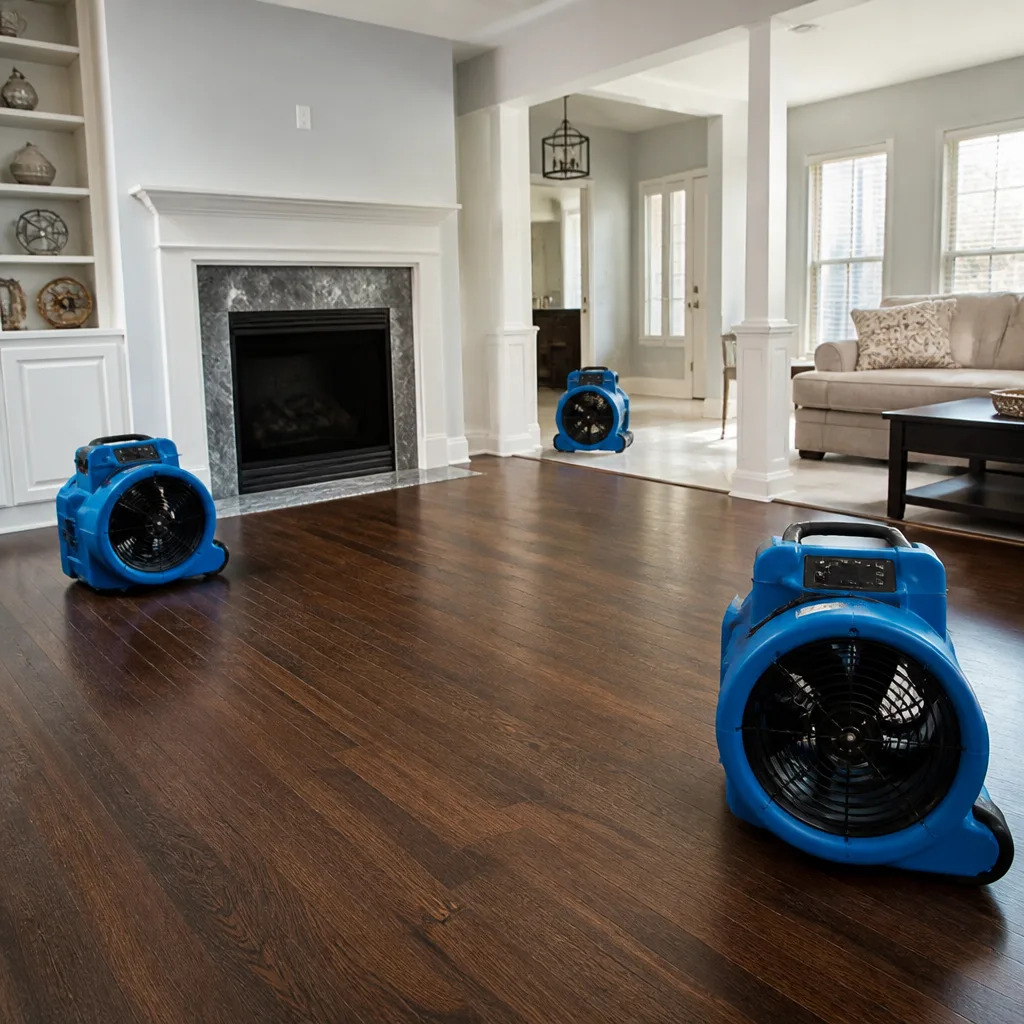 Water damage drying
 Fire & smoke cleanup
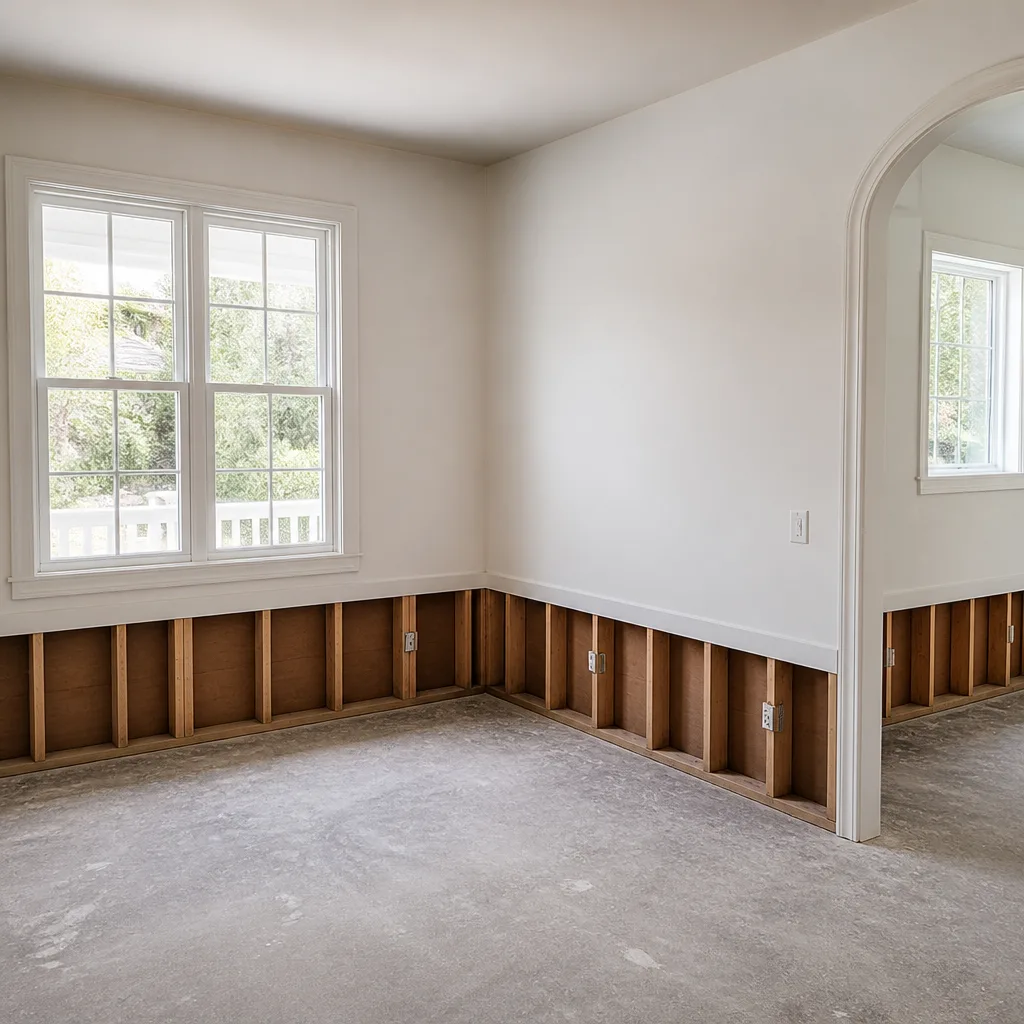 Mold remediation
 Storm response
 Sewage cleanup
 Reconstruction
Free visual inspection and a written scope of work before any mitigation begins - photos, moisture readings, and drying logs go in your claim file
The scope we write is the scope we bill. Anything new gets shown to you, in writing, before we touch it.
Get your free estimateSeasonal Damage Restoration Care for Costa Mesa: Year-Round Homeowner’s Guide
Costa Mesa averages under 14 inches of rain per year, which gives a lot of homeowners a false sense that water damage is someone else’s problem. The reality is that our rain arrives in a narrow, three-month window, and it often slams into structures that have spent the dry season contracting, cracking, and quietly creating pathways for moisture. This guide maps out the specific seasonal threats Costa Mesa homes actually face, when they’re most likely to appear, and what you can do before small issues become restoration projects.
Quick Answer
Seasonal damage prevention in Costa Mesa means preparing for a compressed rain window from December through February, Santa Ana wind events that stress roof-to-wall assemblies, marine layer humidity that drives concealed condensation in summer, and an HVAC startup period in spring that triggers condensate overflows. Homeowners who follow a Water Damage Restoration Maintenance Checklist for Costa Mesa Homeowners and stick to a month-by-month routine focused on these specific patterns can prevent most water, mold, and fire-related restoration calls.
Restoration work we handle
Table of Contents
- Fall (October – November): The Pre-Rain Inspection Window
- Winter (December – February): Santa Ana Winds and Rain Events
- Spring (March – May): HVAC Condensate Overflow Prevention
- Summer (June – September): Marine Layer Condensation Damage
- Year-Round: Slab Foundation Plumbing Vulnerabilities
- Seasonal Maintenance Calendar at a Glance
- Common Mistakes to Avoid
- When to Call a Professional
- Frequently Asked Questions
Fall (October – November): The Pre-Rain Inspection Window
The first significant rain after Costa Mesa’s long dry season is when roof penetration failures concentrate. Homes here sit through six-plus months of near-zero precipitation, and the sun bakes roofing materials, flashing, and sealants to the point of brittleness. When rain finally arrives, existing weaknesses get exposed all at once, and they often produce sudden, visible leaks rather than slow drips.
In older Costa Mesa neighborhoods like Mesa Verde and College Park, we’ve seen roof penetrations around plumbing vents, skylights, and attic fans become especially vulnerable because the original sealants were installed in a different climate era. The thermal expansion cycle between hot days and cool coastal nights works those seals loose over years, not decades.
Inspection Points Before the Rain Window Opens
- Roof penetrations. Check every vent pipe, exhaust cap, and skylight curb for cracked or separating sealant. This is the number one source of first-rain leaks in Costa Mesa.
- Gutter and downspout flow. Even with low annual rainfall, accumulated dry-season debris (eucalyptus leaves, pepper tree litter) can turn a moderate rain into an overflow that saturates the soil against your foundation.
- Exterior wall penetrations. Look at hose bibs, electrical conduit entries, and dryer vents. Gaps here allow wind-driven rain into wall cavities during the first storm, and that moisture gets trapped in wall assemblies that don’t get hot enough to dry quickly.
- Window and door perimeter seals. Southern exposures get hammered by UV; the sealant around window frames on south and west-facing walls tends to fail first. In Costa Mesa’s specific case, those failures get tested hard once winter storms arrive with accompanying wind.
IICRC-certified restoration work starts with prevention, and the pre-rain inspection is the single highest-value preventive step a Costa Mesa homeowner can take each year. The repair that costs a tube of sealant in October is the restoration that costs thousands in January.
Winter (December – February): Santa Ana Winds and Rain Events
Costa Mesa’s winter storm pattern creates a specific vulnerability that most national seasonal guides don’t address: the Santa Ana wind event followed immediately by rain. Here’s why it matters. A Santa Ana blows hot, dry, sustained winds from the northeast for 24 to 72 hours. Those winds work loose roofing tiles, shake shingles, and especially the flashing at roof-to-wall transitions and gable ends. When the next front arrives with actual precipitation, the storm’s leading edge often carries gusty winds that drive rain sideways into the gaps the Santa Ana just created.
In Costa Mesa’s residential construction stock, much of which dates from the 1950s through the 1970s, roof-to-wall assemblies were often built with minimal step flashing and no kickout flashing at the eaves. That makes these specific junctions especially vulnerable to this wind-then-rain sequence. Water gets driven under the roofing material at the wall intersection and travels along the top plate into the wall cavity, where it can go unnoticed for weeks or months.
Winter-Specific Warning Signs
- Dampness or staining on interior ceilings at the perimeter of rooms, especially on the northeast-facing walls
- Musty odor in closets that sit against exterior walls after a wind event
- Loose or displaced roofing material visible from the ground after any Santa Ana episode
- Water beading or staining visible in the attic along the roofline within days of a storm
If a wind event is followed by rain and you notice any of these signs, consult our Water Damage Restoration Troubleshooting: Common Problems and How to Fix Them and don’t wait to investigate. Trapped moisture in wall cavities in Costa Mesa’s moderate climate doesn’t always dry on its own. The marine layer keeps humidity elevated enough that evaporation rates are slower than inland areas, and mold growth can start in as little as 48 to 72 hours in these concealed spaces.
For homeowners dealing with the aftermath of a winter storm event, our water damage restoration process follows IICRC standards for moisture mapping and structural drying. For related mold concerns that develop after hidden water intrusion, see our mold remediation approach.
Spring (March – May): HVAC Condensate Overflow Prevention
One of the leading causes of indoor water damage in Costa Mesa isn’t rain at all. It’s the condensate overflow from air conditioning systems cycling back on after months of winter dormancy. Here in Costa Mesa, winter temperatures are mild enough that many homes leave their cooling systems off entirely from November through February. When the first warm day arrives in March or April, the system starts up, and the condensate drain line has had months to accumulate dust, microbial growth, and dried debris.
The result is predictable: the line clogs, the drain pan overflows, and water spreads across a ceiling or down a wall. In our experience across Costa Mesa, this tends to happen in the first sustained warm spell of spring, and it disproportionately affects homes where the air handler sits in an attic or an interior closet rather than a garage or basement.
Five-Step Spring HVAC Checklist
- Run the AC on a mild day before the first heat spike. Set the thermostat to cool and let the system cycle for 20 to 30 minutes. Watch for water around the interior unit or dripping from unexpected places.
- Inspect the condensate drain line exit. Walk the exterior perimeter and locate where the drain line exits. It should drip steadily during operation. If it’s dry while the system runs, the line is likely clogged.
- Check the drain pan. If you can access the air handler, look at the emergency drain pan beneath it. Standing water here means the primary drain is blocked and the system is relying on the overflow path.
- Replace the air filter before peak cooling season. A clogged filter restricts airflow, which can cause the evaporator coil to freeze. When it thaws, the meltwater overwhelms the drain system and leaks into the home.
- Have the drain line flushed. This is a simple preventive service, and doing it in early spring, before the heavy cooling season, prevents the most common indoor water damage pattern we see in Costa Mesa during the spring months.
This is one area where a little preventive attention produces disproportionate returns. The cost of a condensate drain flush is a small fraction of the drying, repair, and potential mold remediation that follows a full overflow event.
Summer (June – September): Marine Layer Condensation Damage
Costa Mesa’s summer climate is defined by the marine layer, that morning cloud deck that rolls in off the Pacific and typically burns off by early afternoon. It keeps coastal temperatures in the 70s and low 80s, and it also keeps relative humidity remarkably high for a region that gets almost no summer rainfall. That humidity creates a specific, concealed damage pattern that many homeowners never see coming.
The mechanism works like this: your air conditioning cools interior wall surfaces, especially at stud locations and at points where wall cavities connect to unconditioned spaces. Meanwhile, the marine layer holds exterior humidity in the 70 to 90 percent range for hours every morning and evening. When that moist exterior air infiltrates wall cavities and contacts air-conditioned interior surfaces, condensation forms inside the wall. In poorly insulated walls, particularly in older Costa Mesa homes with minimal or failing insulation, this condensation can persist throughout the entire summer season.
The damage is concealed by design. You won’t see a wet spot on the wall or a puddle on the floor. What develops instead is a slow, seasonal moisture accumulation inside wall cavities that feeds mold growth over a period of months or years. By the time it’s discovered, usually through a persistent musty odor or a tenant complaint, the affected area may already be extensive.
Which Homes Are Most Vulnerable
- Homes built before the California energy code began requiring significant wall insulation in the late 1970s
- Homes with single-pane or aging double-pane windows that allow greater thermal transfer to interior wall surfaces
- Homes that run air conditioning heavily during marine-layer season, especially at night when outdoor humidity peaks
- Rooms on the west and south sides of the house that receive afternoon sun and experience the greatest thermal cycling
The professional standard for addressing concealed moisture like this uses tools like Dri-Eaz moisture meters and thermal imaging to identify where the condensation is occurring without opening walls speculatively. Our approach uses the same diagnostic mindset: find the moisture source and the full extent of affected materials before recommending any scope of work.
Year-Round: Slab Foundation Plumbing Vulnerabilities
A significant portion of Costa Mesa’s housing stock sits on slab foundations, particularly homes built in the post-war construction boom from the 1950s and 1960s. Slab construction meant running copper water supply lines and cast-iron drain lines through or under the concrete slab itself. Those materials have an expected lifespan, and in Costa Mesa, many homes are now well past the point where failure becomes a statistical probability rather than a possibility.
The seasonal patterns matter here because the damage signature changes with the time of year. During the dry season, slab leaks often show up as unexplained warm spots on flooring, the sound of running water when no fixtures are in use, or a gradual increase in the water bill with no obvious explanation. During the rainy season, those same leaks can be masked by the ambient moisture in the soil, making them harder to detect until they’ve already caused significant damage.
Early Warning Signs by Season
- Dry season: Warm or hot spots on concrete or tile flooring, especially near the water heater or kitchen; unexplained water bill increases; fine cracks radiating from a specific floor point.
- Rainy season: Dampness or discoloration at baseboards on interior walls during dry periods between storms; a persistent musty odor that doesn’t trace to roof or window leaks; visible moisture at the slab edge where interior flooring meets exterior walls.
- Any season: The sudden appearance of mold along baseboards or under cabinets without a corresponding visible water event.
Slab leaks are a restoration problem, not a plumbing-only problem. When supply lines fail under a slab, water wicks upward through the concrete and saturates flooring, drywall, and cabinetry. When drain lines fail, the issue is even more serious from a contamination standpoint. The professional restoration response to either scenario requires moisture mapping, controlled drying, and often removal of affected materials. This is precisely the kind of single-source specialist work that Oxford Restoration Co handles under one roof, without handoffs to unrelated contractors.
Seasonal Maintenance Calendar at a Glance
Here is the entire year distilled into a working framework. Each season has a primary focus and one or two supporting tasks. Done consistently, this calendar keeps a Costa Mesa home ahead of the specific damage patterns described in this guide.
October – November: The Inspection Season
- Roof penetration sealant check and repair as needed
- Gutter and downspout clearing
- Exterior wall penetration sealing
- Window and door perimeter resealing on southern and western exposures
December – February: The Response Season
- After each Santa Ana event, visually inspect roof-to-wall junctions from the ground
- After each significant rain, check attic spaces and ceiling perimeters for staining
- Monitor for new baseboard dampness on northeast-facing walls
March – May: The Systems Season
- Run and observe the AC system before the first real heat spike
- Flush the condensate drain line and replace the air filter
- Inspect the drain pan and confirm the emergency overflow path is clear
June – September: The Vigilance Season
- Monitor for persistent musty odors in rooms with heavy AC use
- Watch for subtle wall discoloration that doesn’t correspond to any visible water event
- Check the water bill monthly for unexplained increases that could indicate a slab leak
Common Mistakes to Avoid
- Assuming low annual rainfall means low water risk. Costa Mesa’s rain comes fast and concentrated, and homes that have been dry for eight months are most vulnerable when it arrives. The annual rainfall number hides more than it reveals.
- Waiting until after the first Santa Ana event to inspect the roof. Once the wind has done its work, the gaps are already open. The inspection needs to happen before the wind season, not after.
- Ignoring a slow water bill increase. A slab leak that runs for six months under a Costa Mesa slab does dramatically more damage than one caught in the first month. The water bill is the earliest detection tool most homeowners have.
- Running the AC in spring without checking the condensate line. This is the most preventable water damage pattern in Costa Mesa homes, and it happens with clockwork regularity every March and April.
- Assuming a musty odor will resolve on its own. In Costa Mesa’s marine-influenced humidity, concealed moisture rarely dries without intervention. The odor is telling you that the moisture has been present long enough for microbial activity to begin.
- Sealing over visible water staining without finding the source. The stain is a symptom. If the water source isn’t identified and corrected, resealing just hides the evidence while the moisture continues to accumulate behind the surface.
- Treating every damage event as a DIY cleanup job. Water that has penetrated wall cavities or saturated porous materials requires professional drying. Consumer fans and dehumidifiers don’t produce the controlled drying environment needed to prevent secondary damage.
When to Call a Professional
Some situations demand professional assessment and response rather than observation. Call a restoration specialist when you have visible water that has spread beyond a single room, when water has penetrated walls or ceilings, when you can smell mold but can’t locate the source, when a slab leak is suspected, or after any fire event regardless of how contained it appears. A credentialed restoration team uses tools like Phoenix and Dri-Eaz drying systems and professional-grade moisture detection to address the full scope of the damage, not just the visible surface. Oxford Restoration Co offers free estimates in Costa Mesa, call (877) 265-8058.
Frequently Asked Questions
Yes, because the risk is concentrated rather than distributed. Costa Mesa receives most of its rainfall in a three-month window, and the long dry season creates conditions, cracked sealants, contracted building materials, accumulated debris, that make structures especially vulnerable when that rain finally arrives. The annual rainfall number is misleading; the seasonal concentration is what matters.
Mold can begin growing within 48 to 72 hours of a water event in Costa Mesa’s coastal climate, especially during marine layer season when ambient humidity is high. Concealed moisture inside wall cavities or under flooring has even less air movement, which accelerates growth. This is why professional drying with controlled equipment is the standard response to any significant water intrusion.
Santa Ana winds don’t directly cause leaks, but they create the conditions that make the next rain event far more damaging. The sustained dry winds loosen roofing materials and compromise flashings, and when the winter storm arrives, wind-driven rain enters through those newly created openings. The damage mechanism is the wind-rain sequence, not either event alone.
Most homeowner’s policies cover the water damage resulting from a sudden slab leak, but coverage varies significantly by policy and the specific circumstances. The key is documentation: professional moisture mapping, photographic evidence, and a clear scope of damage all support the claim. A restoration specialist with experience handling insurance losses can coordinate directly with your adjuster and provide the technical documentation that helps the process move.
At minimum, once per year in the fall before the rainy season begins. If you live in an older Costa Mesa home with original roofing penetrations or if you’ve experienced any Santa Ana-related roof movement in past years, twice per year is prudent: once in late fall and once again in early spring to catch any winter storm damage before the dry season masks it.
The difference is controlled drying versus passive drying. Professional restoration uses equipment like Dri-Eaz air movers and Phoenix dehumidifiers to create specific airflow and humidity conditions that extract moisture from materials quickly and completely. The IICRC standard, which is the restoration industry’s recognized benchmark, requires that drying be verified with moisture meters throughout the affected area, not just assumed from surface appearance. Passive drying often leaves concealed moisture that leads to mold and structural deterioration months later.
The Bottom Line
Costa Mesa’s damage risk calendar looks nothing like the rest of the country, and homeowners who follow generic seasonal advice are missing the specific threats that actually affect their homes. The framework is straightforward: inspect roof penetrations in fall, monitor for wind-rain damage in winter, check HVAC systems in spring, stay alert for concealed condensation in summer, and watch for slab plumbing warning signs all year. Preventive attention in the right season prevents most of the restoration calls we see, and you can find more guides & resources in our blog. And when a real event occurs, acting quickly with a credentialed professional is the difference between a contained response and a building-wide restoration.
Written by the team at Oxford Restoration Co, serving Costa Mesa since 2011.
See the difference
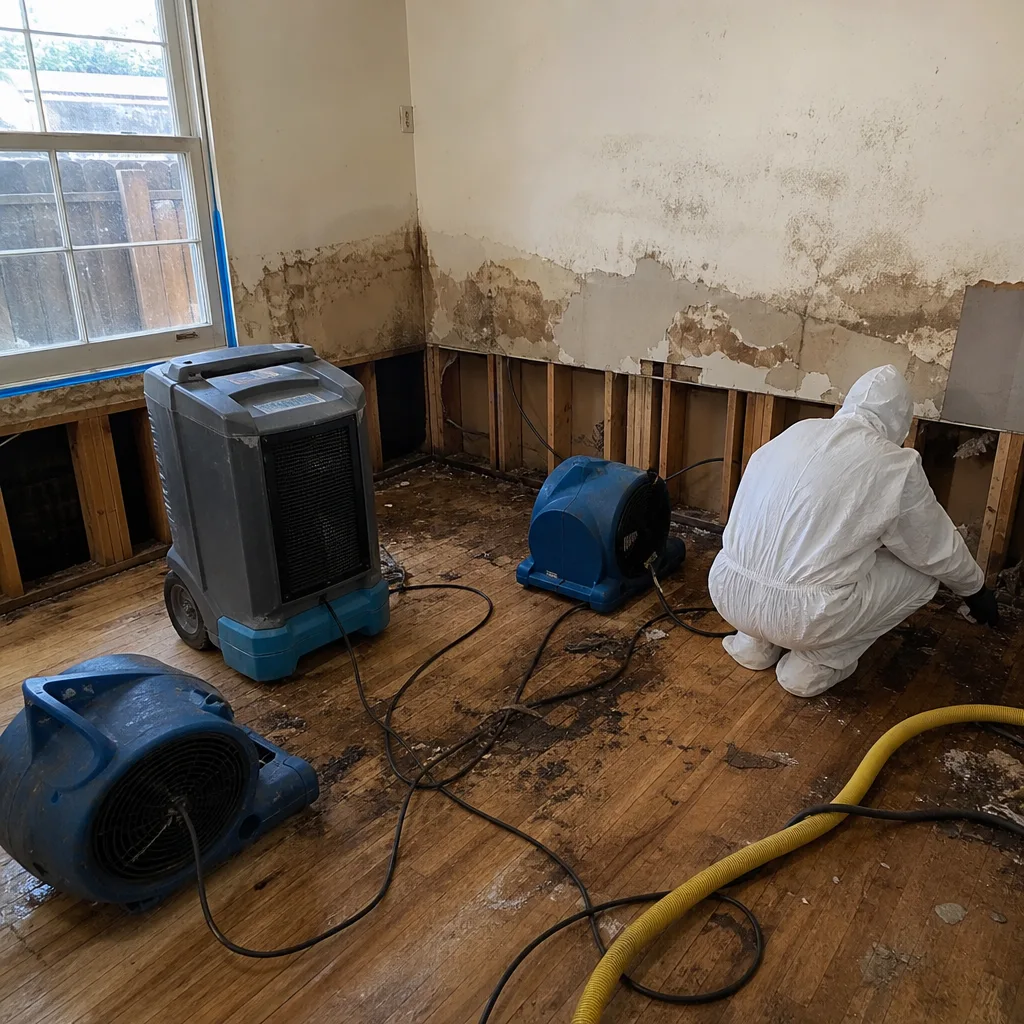 Before
 After
 Before
 After
 Before
 After