
 Water damage drying
 Fire & smoke cleanup
 Mold remediation
 Storm response
 Sewage cleanup
 Reconstruction
Free visual inspection and a written scope of work before any mitigation begins - photos, moisture readings, and drying logs go in your claim file
The scope we write is the scope we bill. Anything new gets shown to you, in writing, before we touch it.
Get your free estimateFast, Reliable Water Damage Restoration Across Lake Forest
When water is spreading through a Lake Forest home, the first call should be to a restoration specialist who understands the city’s specific building stock. Lake Forest’s dense clusters of 1970s through 1990s townhomes and condos mean a single supply-line failure off Ridge Route or Trabuco Road rarely stays contained to one unit. Water migrates through shared walls, follows plumbing chases down to slab-on-grade foundations, and soaks into wood-frame assemblies within hours. Oxford Restoration Co responds to Lake Forest calls with IICRC-certified technicians and industrial drying equipment built for exactly this kind of multi-unit damage. We know the HOA documentation requirements, the stucco matching headaches, and the hidden migration paths through common-area boundaries. Call (877) 265-8058 the moment you see water where it shouldn’t be.
Why Oxford Restoration Co Is Lake Forest’s Preferred Water Damage Restoration Company
Lake Forest homeowners and property managers call us because we treat restoration as a technical discipline, not a mop-and-fan job. Every crew that rolls into the 92630 ZIP carries IICRC-certified training and equipment from manufacturers the commercial restoration industry uses, not the rental-grade gear you find at big box stores. That matters in Lake Forest, where a 1980s townhome with shared plumbing chases hides moisture in places a consumer-grade dehumidifier will never reach.
Noel Carrasco leads our restoration team with a focus on documentation and defensible scope of work. For HOA-heavy Lake Forest, that discipline translates directly into faster architectural review approvals. We’ve handled water losses in Portola Hills condos, Foothill Ranch tract homes, and the original age-restricted communities now part of Lake Forest proper. Each job generates daily moisture readings, photo logs, and pre-loss condition records that property managers and adjusters can actually use. We’re a specialist, not a general contractor dabbling in dry-out.
Restoration work we handle
Emergency Water Damage Restoration in Lake Forest
Emergency Water Damage Restoration in Lake Forest starts with a hard truth: the HOA approval process is not a prerequisite for water extraction. We’ve seen too many Lake Forest homeowners wait for architectural committee sign-off before calling us, only to watch Category 1 clean water degrade to Category 2 or 3 within 48 hours. By then, mold spores are active in drywall cavities and the scope of work has doubled. Extract first. Document everything. File the HOA paperwork second. That’s the sequence that protects the structure and the claim.
A typical emergency water extraction call in Lake Forest runs $450 – $850 for the initial response, containment setup, and extraction labor. When structural drying with professional dehumidifiers and air movers is required, total mitigation for a single-unit event typically lands between $1,800 and $4,200 depending on square footage and how far water migrated through shared assemblies.
Rapid Extraction and Containment
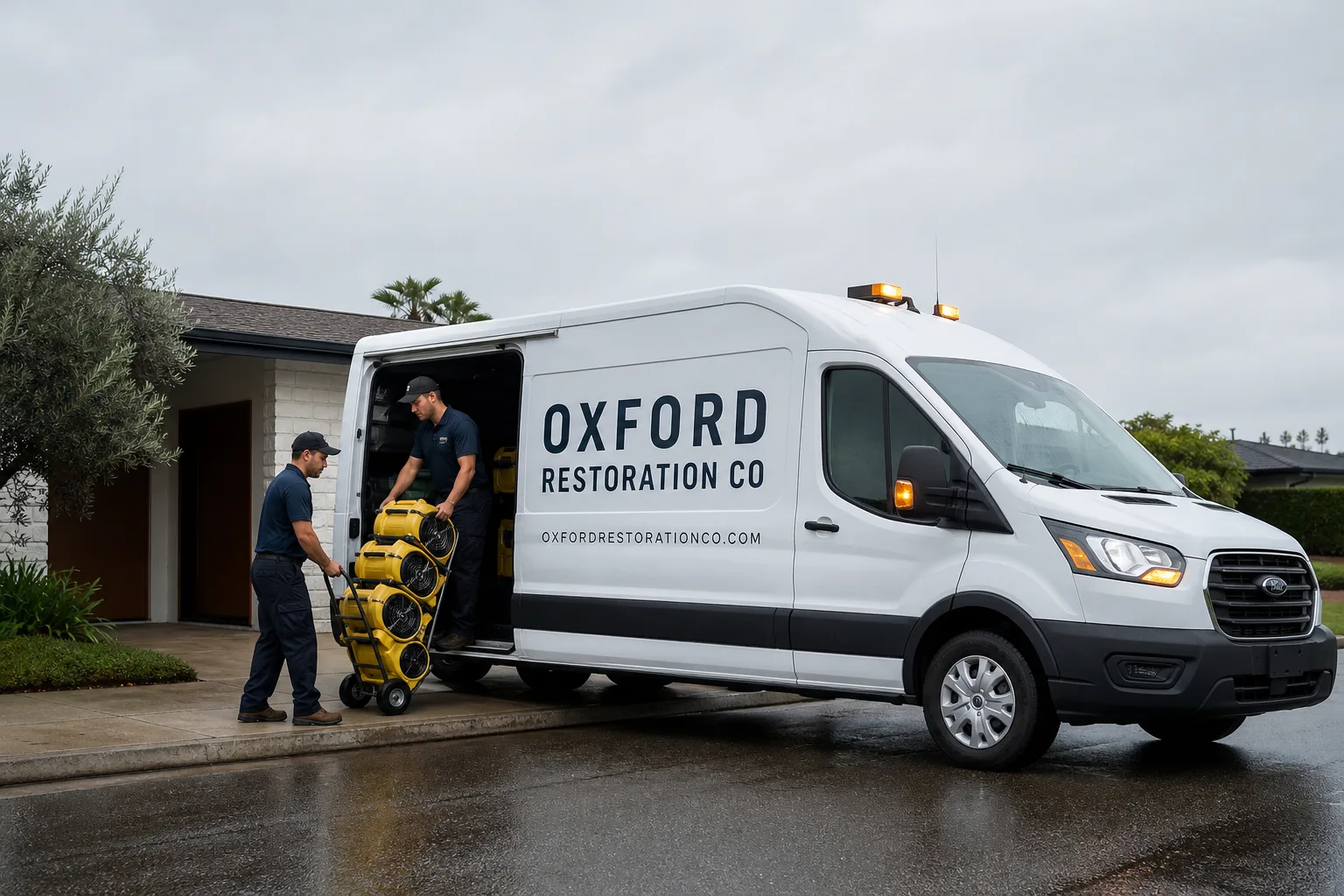
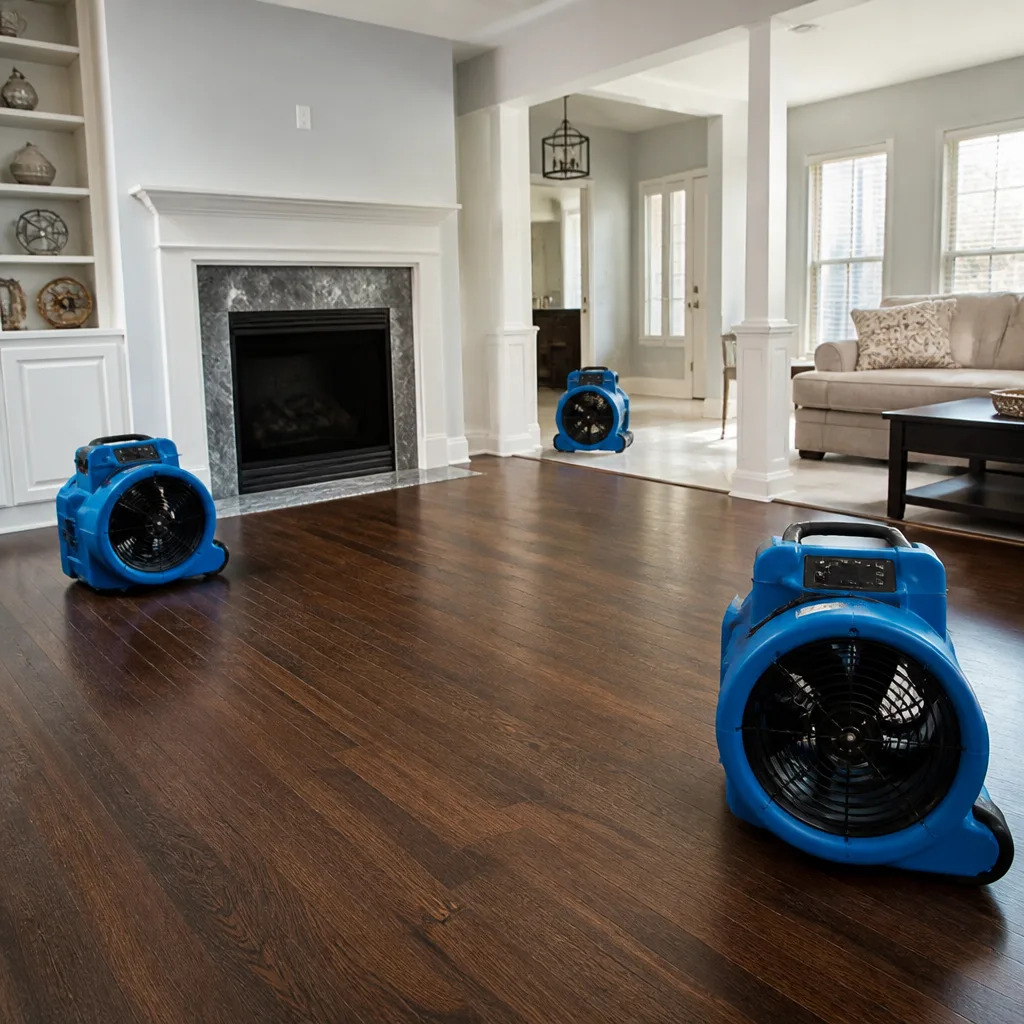
Our first priority is stopping active water migration. In Lake Forest’s townhome clusters, that means sealing off the affected unit, pulling standing water from flooring and wall cavities, and checking the adjoining unit on the other side of the shared wall. We run XPOWER air movers and Dri-Eaz dehumidifiers tuned to the specific vapor pressure of the space. Containment barriers go up before we start drilling or cutting, so contaminated air and dust don’t spread to neighboring living areas.
Moisture Mapping Through Shared Assemblies
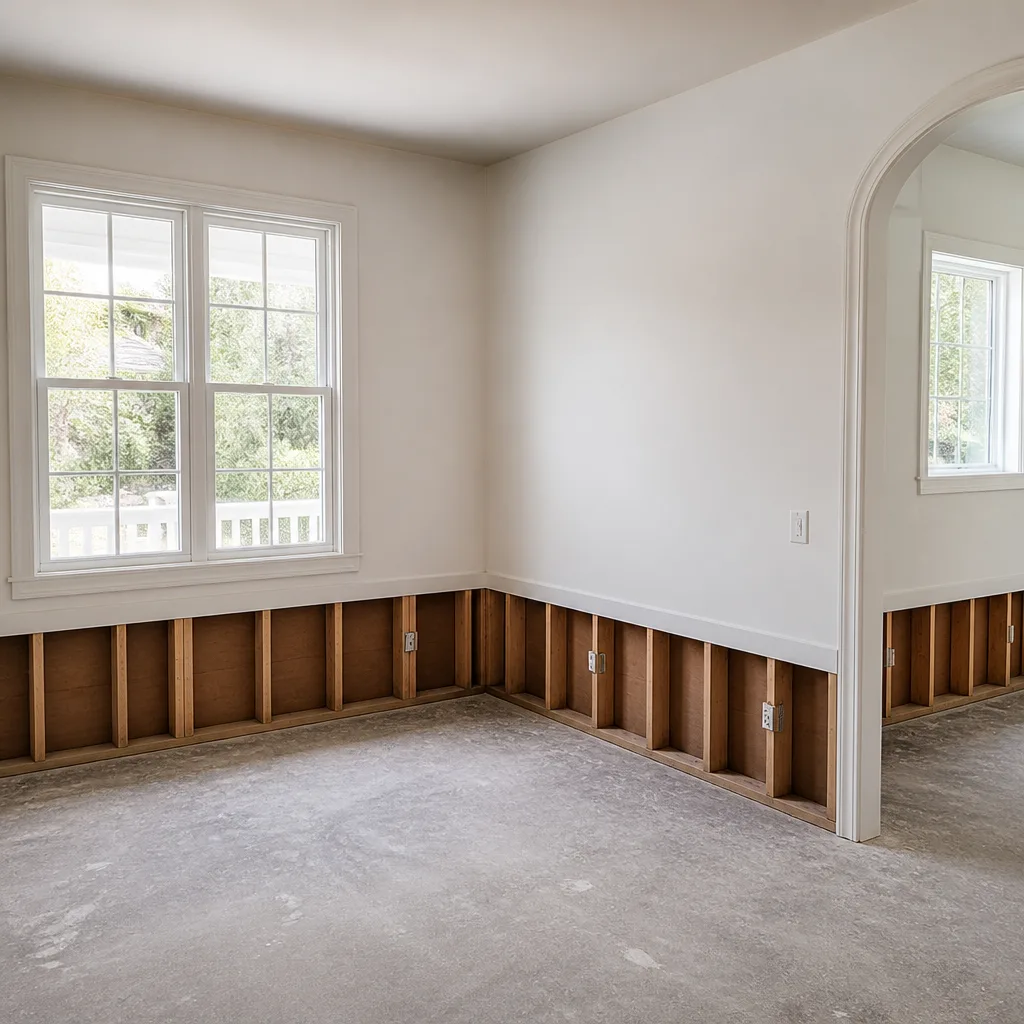
Generic moisture meters miss what’s hiding in a Lake Forest townhome. We map moisture through shared plumbing chases, under stair landings, and across ceiling cavities that connect units. Injectidry systems let us dry wall and ceiling cavities without unnecessary demolition, which matters when an HOA architectural committee needs to approve every visible repair. Less demolition means fewer HOA review triggers and a smaller restoration footprint.
Water Damage Repair in Lake Forest
Water Damage Repair in Lake Forest is where the city’s HOA layer gets real. After mitigation comes reconstruction repair to pre-loss condition, and in Lake Forest that means matching stucco texture, paint color, and trim profile to the original planned-community spec. It means submitting scope-of-work documentation to an architectural committee that knows exactly what the original 1980s building looked like. It means coordinating with the neighbor on the other side of the shared wall, because the repair boundary runs through their ceiling assembly.
Repair costs in Lake Forest’s market typically run $2,500 – $7,500 for interior drywall replacement, baseboard work, and paint matching after a moderate water loss. Exterior stucco repair and color matching on HOA-governed buildings adds another $1,200 – $3,800 depending on access, scaffolding needs, and the committee’s approved finish schedule. These are real ranges for this city, not averages pulled from national data.
Stucco Matching and Architectural Review
Lake Forest HOAs take stucco seriously. A patch that’s one shade off from the approved plan can fail review and delay re-occupancy. Our repair crews document the pre-loss condition with photos before demolition starts, then work from the HOA’s approved finish schedule to match color, texture, and sheen. We’ve seen projects pass architectural review on the first submittal because the documentation package answered every question the committee had.
Interior Reconstruction to Pre-Loss Condition
Interior repair after water damage is not just drywall replacement. It’s matching 1990s orange-peel texture, sourcing baseboard profiles that aren’t manufactured anymore, and ensuring the repaired assembly dries to the same moisture content as surrounding structure. We rebuild to the restoration industry standard, not to a handyman’s idea of “good enough.” The IICRC-certified process means the repair is defensible if the HOA or an adjuster asks questions later.
Trusted Brands We Service in Lake Forest
Lake Forest homeowners ask us to service water damage involving major brand fixtures and systems, but the equipment we bring matters more. We run Phoenix dehumidifiers, XPOWER air movers, and B-Air filtration units on nearly every Lake Forest job, because these are the same industrial-grade systems commercial restoration firms deploy on large losses. For townhome cavity drying, Injectidry systems let us dry inside walls and ceiling assemblies without tearing out stucco or drywall that an HOA would then need to re-approve. That’s the difference between a three-day dry-out with minimal demolition and a two-week repair cycle with full architectural review. Lake Forest’s older construction rewards the more precise approach.
See the difference
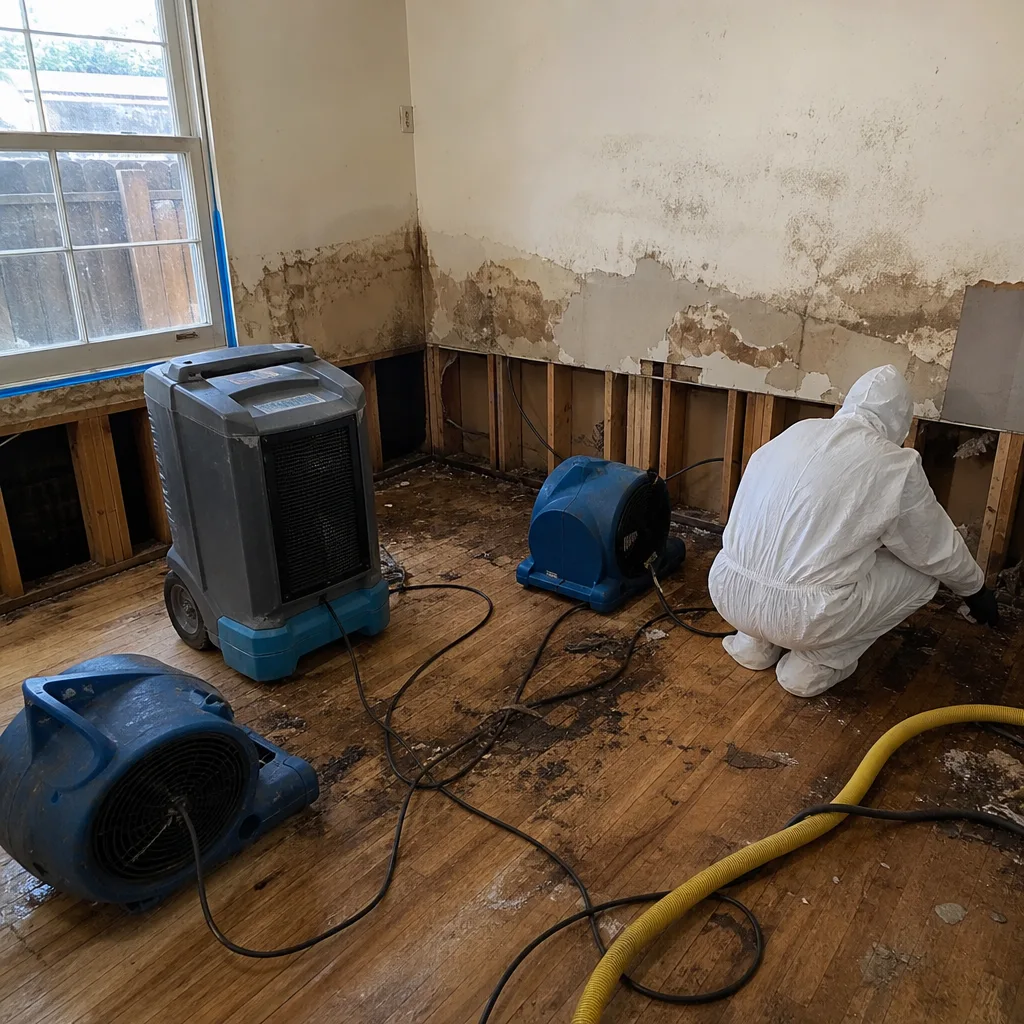 Before
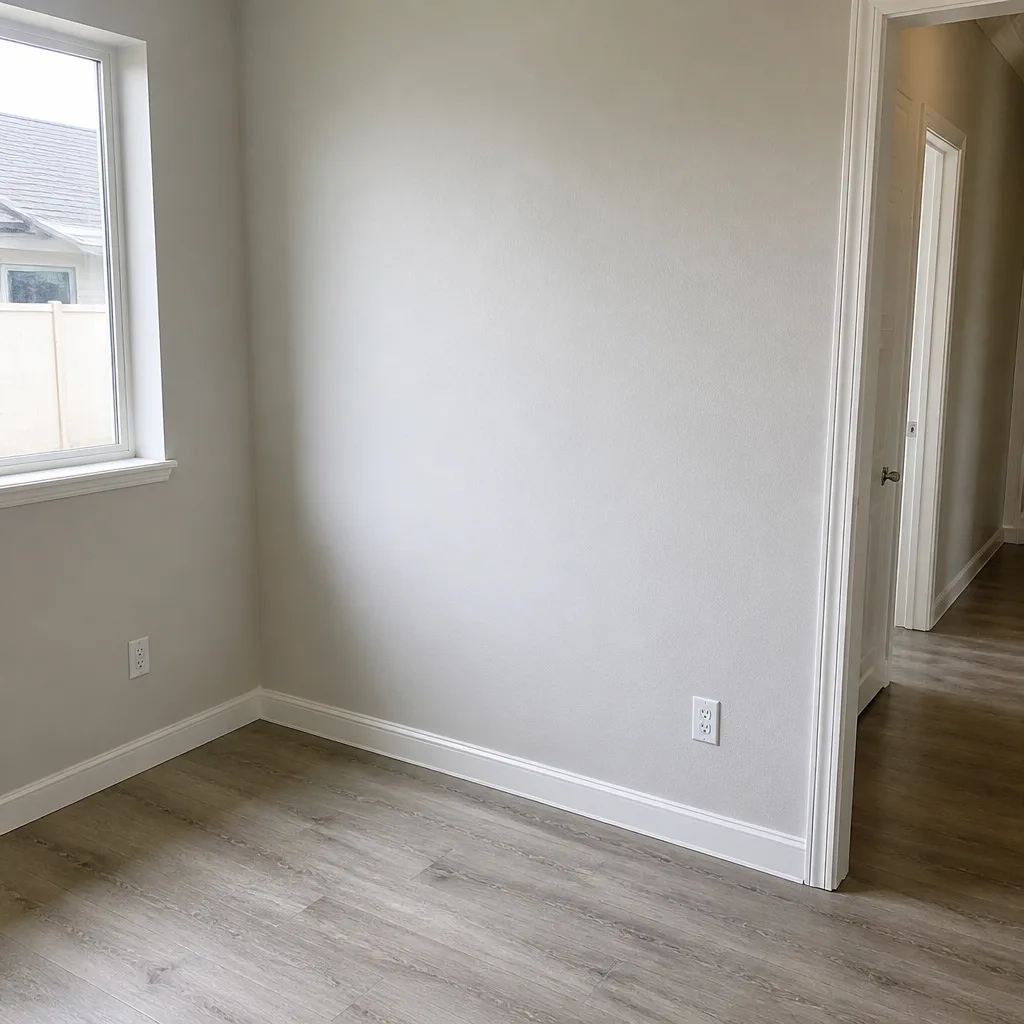 After
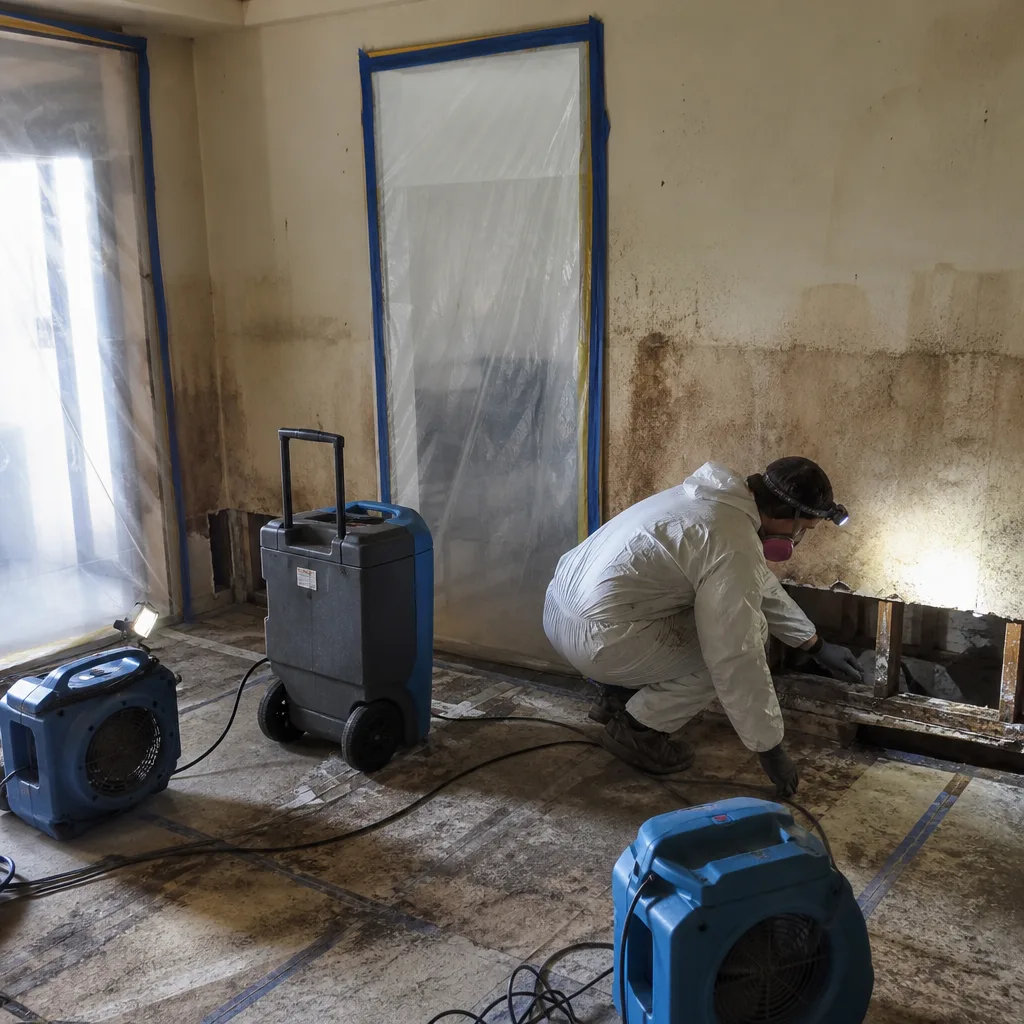 Before
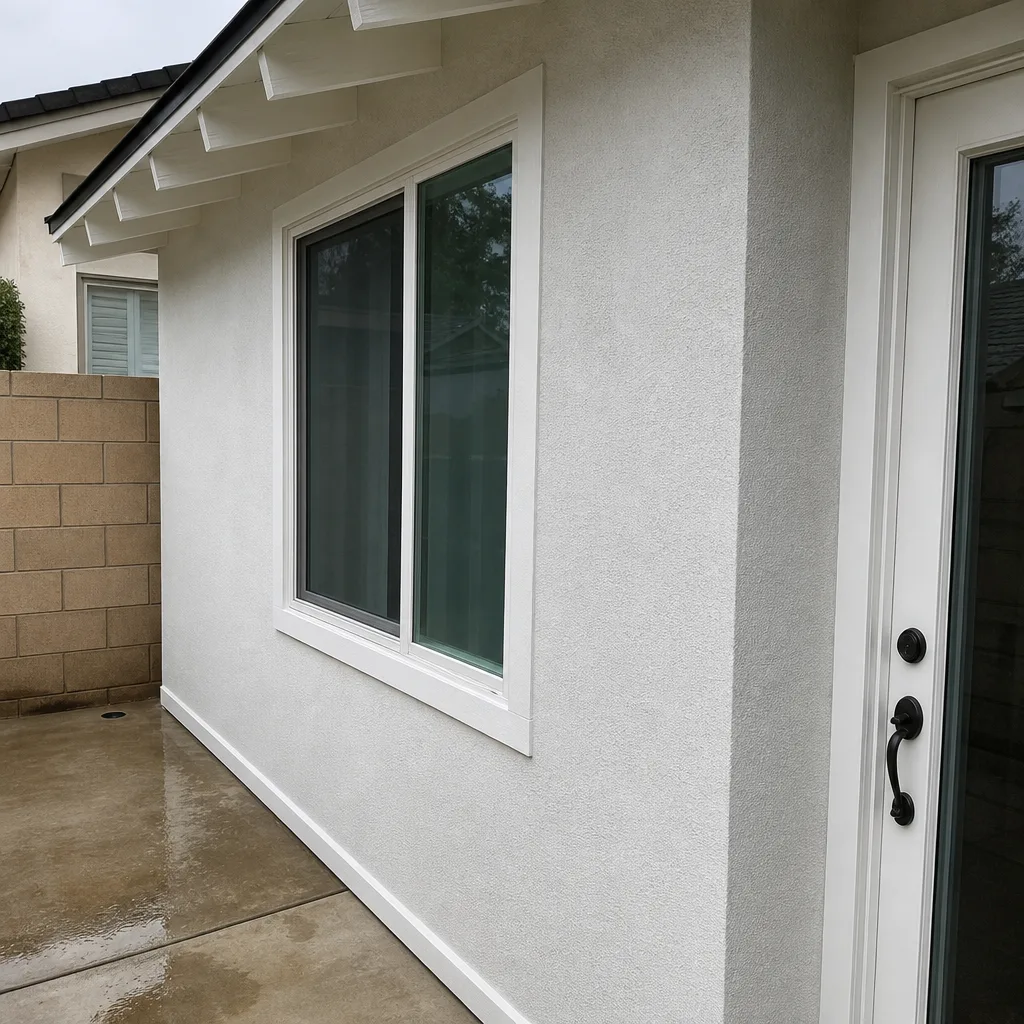 After
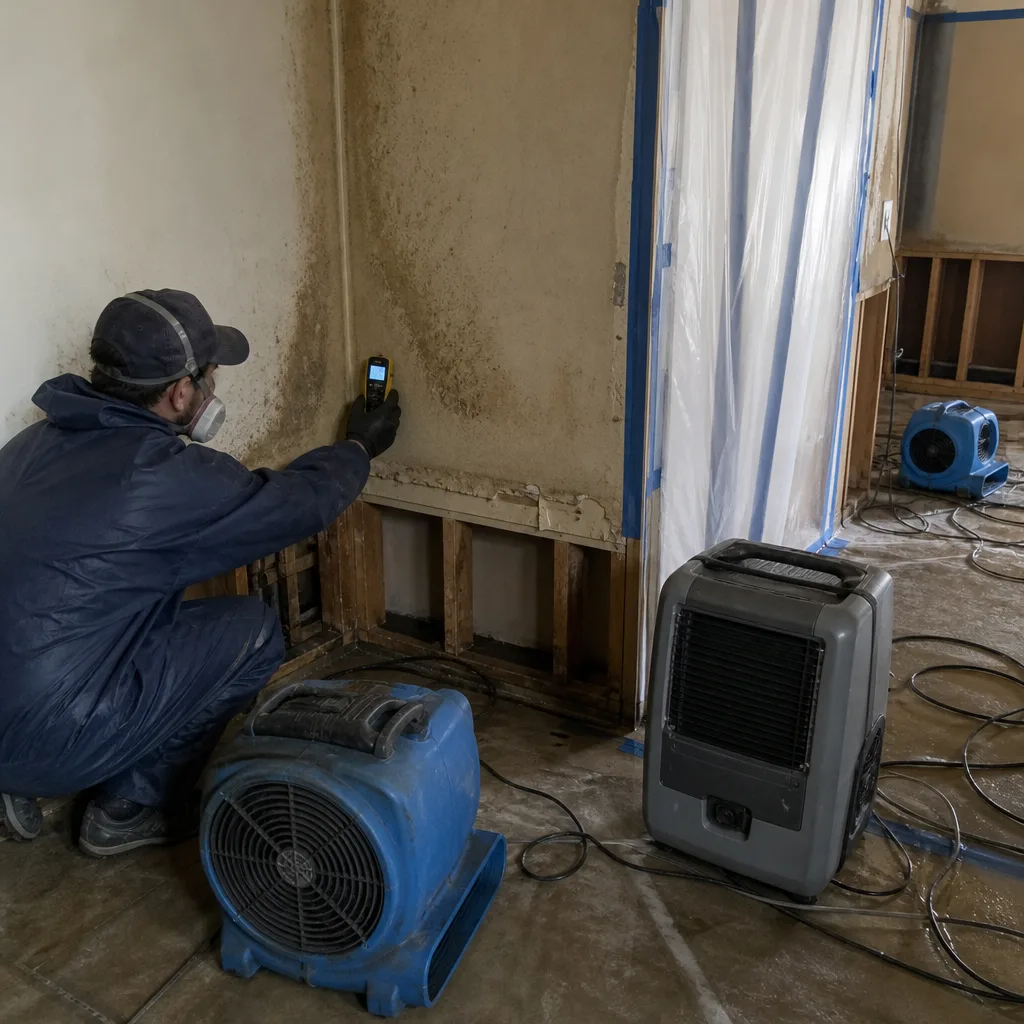 Before
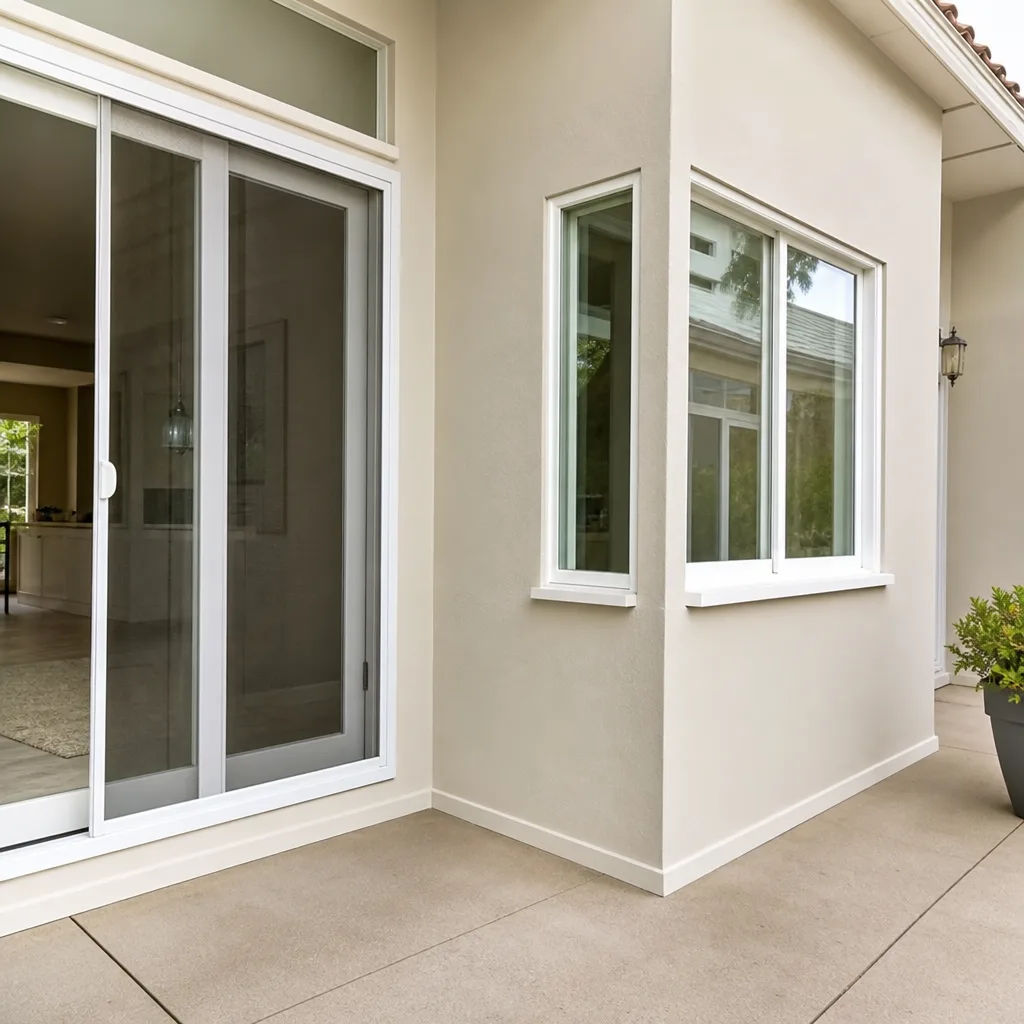 After
Common Water Damage Restoration Problems We See in Lake Forest Homes
- Shared-wall migration in 1970s-90s townhomes. A water heater pan overflows in one unit and the ceiling stains show up next door. We’ve documented Category 2 water traveling through a shared plumbing chase and presenting three rooms away, which generic moisture mapping misses entirely.
- HOA approval confusion delaying mitigation. Homeowners think they need architectural sign-off before extraction can start. They don’t. The 48-hour mold window doesn’t wait for the committee’s monthly meeting, and we always recommend extract-first with documentation to file afterward.
- Stucco failure at window and door flashing. Lake Forest’s semi-arid climate shrinks soils during dry stretches, stressing stucco and sealants. When winter rains hit, the flashing failures that developed over the summer suddenly leak. Tract homes from the 1980s are especially prone to this cycle.
- Slab-on-grade moisture wicking. Many Lake Forest homes sit on slab foundations, and when a supply line fails under the slab, water wicks up through the pad and into flooring assemblies. The damage often isn’t visible until wood flooring cups or tile cracks months later.
Pricing for Water Damage Restoration in Lake Forest, CA
What does water damage restoration actually cost in Lake Forest? For a typical single-unit water loss in a condo or townhome, emergency extraction runs $450 – $850 for the initial response. Structural drying with professional equipment adds $1,200 – $3,000 depending on how many rooms are affected and how far water traveled through shared assemblies. Interior repair work, including drywall, texture, and paint, typically runs $2,500 – $7,500 for a moderate loss. Exterior stucco matching and HOA-approved finish work adds $1,200 – $3,800. HOA documentation, photo logs, and daily moisture readings are part of every job, not a line-item upcharge. Estimates are free. Call (877) 265-8058 and we’ll give you a written scope before any work begins.
We Also Serve Cities Near Lake Forest
Oxford Restoration Co serves Lake Forest and the surrounding south Orange County communities. Our Water Damage Restoration team regularly responds to calls from Foothill Ranch, Portola Hills, Mission Viejo, and Laguna Woods. If you’re in one of those cities and dealing with a water loss, the same IICRC-certified process and industrial equipment apply. Visit our Lake Forest page for city-specific details or call us directly for any location in the area.
Serving Lake Forest, CA — Our Local Coverage Area
We’re based in the Lake Forest area and know this community well. Use the map below to see our service coverage — if you’re nearby, we can almost certainly help.
FAQs About Water Damage Restoration in Lake Forest
HOA architectural review affects the repair phase, not the emergency mitigation phase. When water is actively spreading through a Lake Forest townhome, extraction and drying should start immediately, regardless of committee approval status. The review process matters when visible repairs like stucco patching, paint matching, or exterior trim work need sign-off. Proper documentation, including pre-loss condition photos and daily moisture readings, is what gets repair scopes through architectural review faster. Call (877) 265-8058 for a documented scope of work that HOA committees accept.
The first step is containment and extraction in both affected units. Shut off the water supply, then call a restoration specialist who can coordinate access with the neighboring owner and the HOA on the same visit. In Lake Forest’s shared-wall construction, you cannot dry one unit correctly without checking the adjoining assembly. We handle multi-unit access, documentation, and drying coordination as a standard part of every condo water loss. The sooner containment starts, the less likely Category 2 water degrades to Category 3.
Yes. Lake Forest’s semi-arid climate does not prevent mold growth inside wet building cavities. Once drywall, insulation, or wood framing stays saturated for 24 to 48 hours, mold spores already present in the air and materials begin to colonize. The interior of a wet wall cavity stays humid regardless of the dry air outside, especially in Lake Forest’s 1970s-90s construction where multiple layers of stucco and drywall trap moisture. This is why extraction and drying must start within hours, not days.
Category classification depends on the water source and what it contacted. Category 1 is clean water from supply lines or faucets. Category 2 contains some contamination, like washing machine overflow or water that sat for over 24 hours. Category 3 is grossly contaminated, such as sewage backup or storm water that entered through a roof or exterior breach. In older Lake Forest homes, we test and document the category before drying begins because it affects equipment setup, containment requirements, and whether affected materials are disposed of or restored. We’re an IICRC-certified team, and category assessment is part of the standard.
Keep pre-loss condition photos, daily moisture readings, equipment logs, and a written scope of work from your restoration contractor. For HOA-governed Lake Forest properties, also keep the architectural review submittal, the committee’s response, and any communications with neighboring unit owners. The daily drying logs we provide include specific moisture content readings from affected materials, mapping where water traveled through shared assemblies, and equipment placement records. This documentation protects you if the HOA disputes repair scope or the insurance adjuster questions the drying timeline.
If you’re dealing with water damage in Lake Forest, call (877) 265-8058 now. We’ll talk through what’s happening, tell you what to do in the next hour, and get a crew on the way. Free estimates, written scope before work starts, and restoration done to the IICRC standard.
Written by Noel Carrasco, Owner at Oxford Restoration Co, serving Lake Forest and south Orange County.