
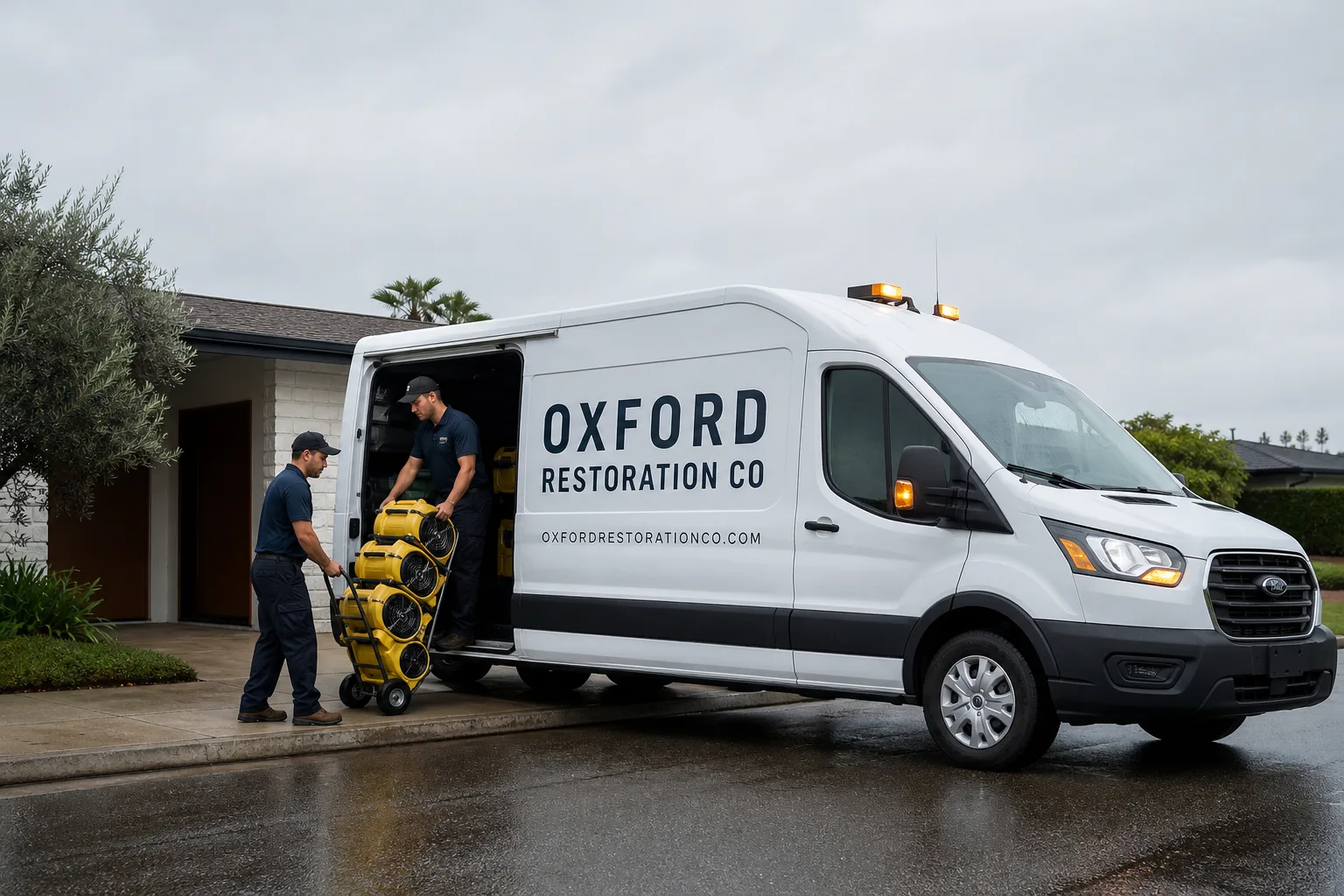
 Water damage drying
 Fire & smoke cleanup
 Mold remediation
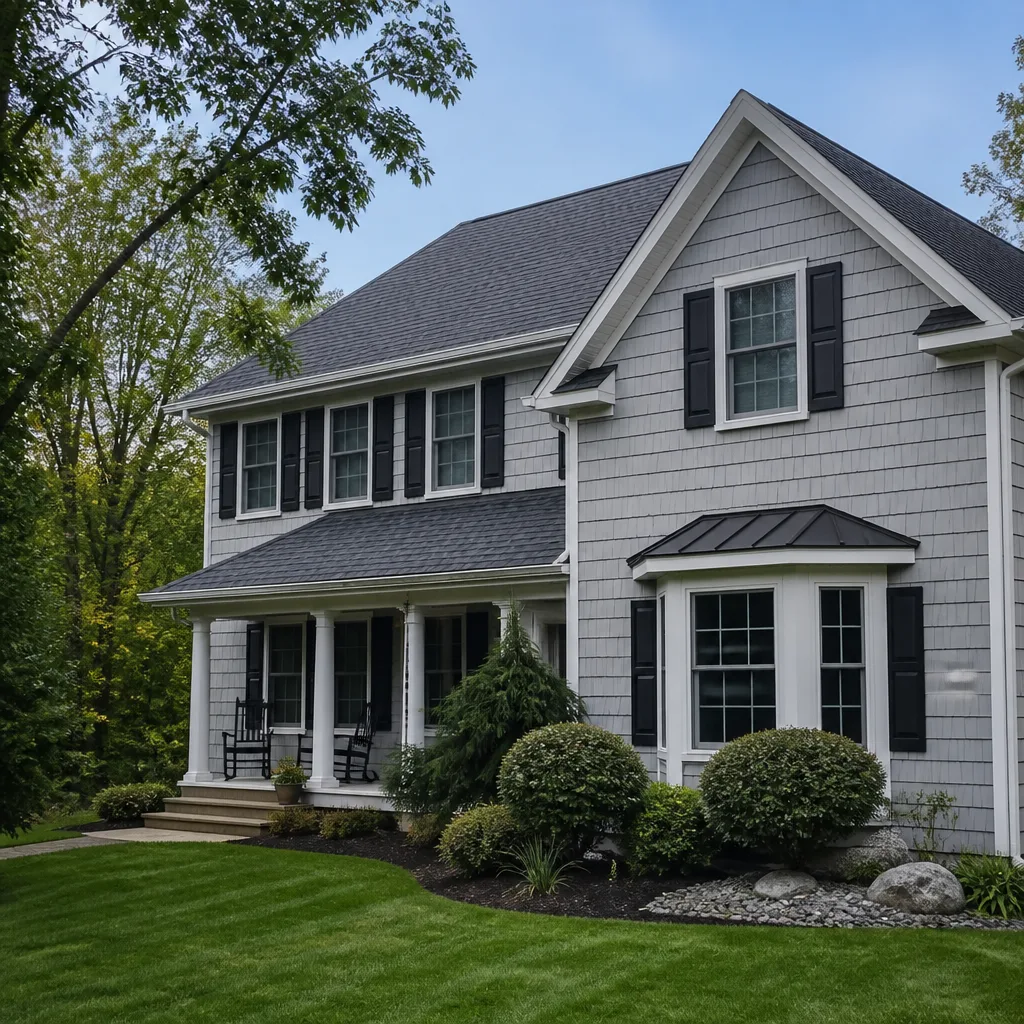 Storm response
 Sewage cleanup
 Reconstruction
Free visual inspection and a written scope of work before any mitigation begins - photos, moisture readings, and drying logs go in your claim file
The scope we write is the scope we bill. Anything new gets shown to you, in writing, before we touch it.
Get your free estimateFast, Reliable Water Damage Restoration Across Grand Terrace
Water damage restoration in Grand Terrace costs between $1,800 and $6,500 for a typical structural drying job, and most insurance claims we handle here fall in that range. The first 48 hours matter more than the next two weeks. Moisture trapped inside a hillside slab or a split-level wall from one atmospheric-river storm will keep wicking upward and outward until someone maps it, extracts it, and dries it with the right equipment. If you’re looking at damp baseboard, a squelching carpet, or a water stain creeping up drywall, call (877) 265-8058 now. We respond to Grand Terrace homes the same day, every day.
Key Takeaways:
– Grand Terrace hillside homes hide water on the uphill side first, not where it’s visible.
– Typical drying jobs here run $1,800 – $6,500; extraction-only on small isolated damage can run $800 – $1,500.
– Original cast-iron drains and slab-on-grade construction mean leaks hide until walls and flooring are already saturated.
– IICRC-certified process, industrial drying equipment, and direct insurance claim support.
Why Oxford Restoration Co Is Grand Terrace’s Preferred Water Damage Restoration Company
We’ve spent years responding to water damage calls in Grand Terrace, and the pattern is consistent. A homeowner sees damp carpet in a lower room after a storm, calls us, and we find the real problem twenty feet uphill along the foundation wall where runoff has been quietly saturating stucco and slab. Noel Carrasco leads our team with the same discipline on every Grand Terrace job: map moisture first, determine the water category, extract thoroughly, and dry to a documented standard. Homeowners here tell us the IICRC-certified process and the fact that we work with insurance adjusters directly took the weight off them during the worst days.
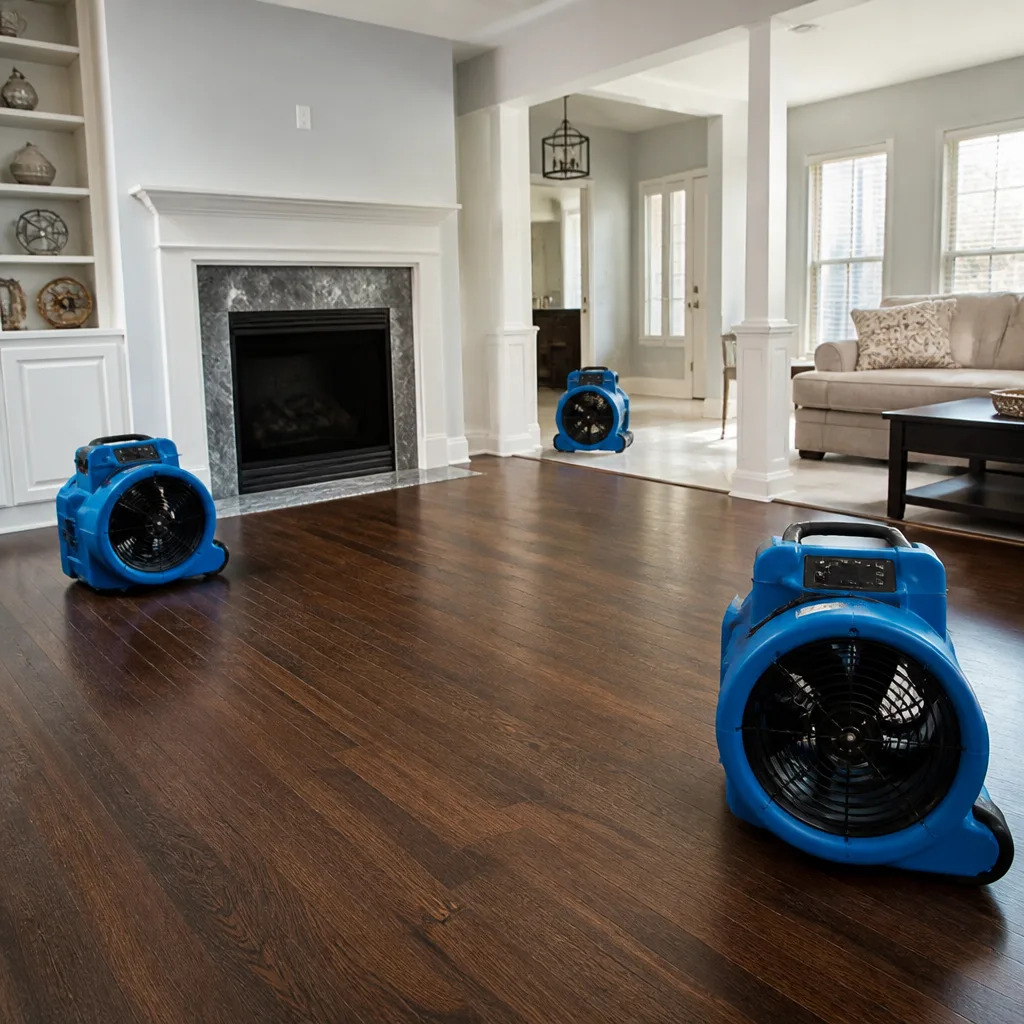
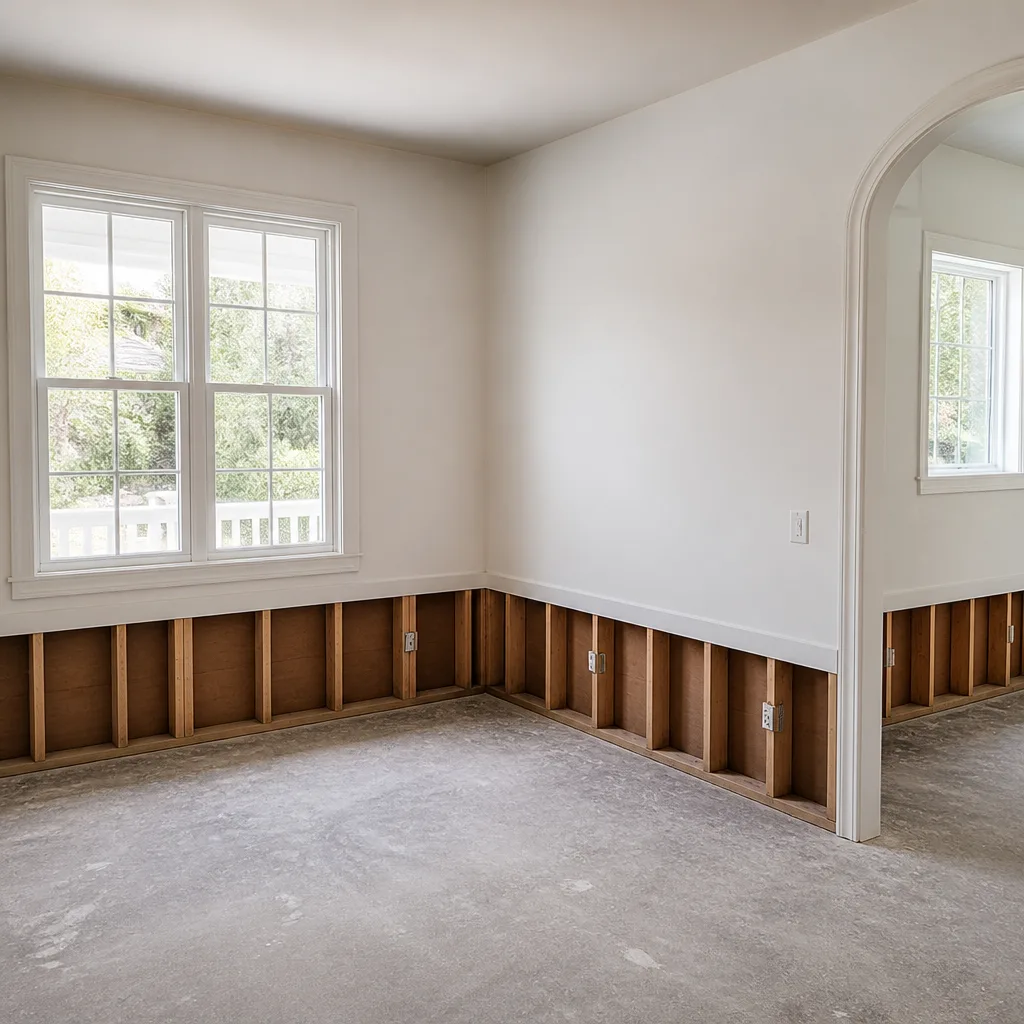
Grand Terrace homeowners don’t need a general contractor who’ll patch drywall and hope for the best. They need a specialist who understands terraced lots, split-level layouts, and 60-year-old plumbing. Our equipment reflects that. We run Dri-Eaz and Phoenix drying systems, and for cavity and wall drying without demolition, we rely on Injectidry systems to pull moisture out of wall interiors without tearing everything apart. It’s the same approach large commercial restoration firms use, brought into Grand Terrace living rooms and garages.
Restoration work we handle
Water Mitigation in Grand Terrace
Water Mitigation in Grand Terrace is the work we do in the first hours and days after water enters a home: extracting standing water, removing saturated materials that can’t be dried, and getting structural drying started so a Category 1 leak doesn’t become a mold problem. Most Grand Terrace water mitigation jobs run from $1,200 to $4,200 depending on how far water has traveled through the slab and wall cavities. Here, “how far” is almost always farther than the homeowner thinks, because the same terraced fan slope that drains runoff downhill also channels it sideways into the structure.
Pre-Existing Slab Moisture
A 1960s slab-on-grade ranch in Grand Terrace isn’t a clean, dry box when a pipe bursts. It’s usually carrying residual moisture from years of runoff against the uphill foundation wall. We check that first. Skipping it is the most common reason a “dried” Grand Terrace home smells musty again three months later.
Storm Response Sequence
After an atmospheric-river storm, we start at the uphill exterior wall, not the puddle in the hallway. Slope-channeled water pushes against the foundation, and hydrostatic pressure forces it through micro-cracks and sill gaps. Our techs run moisture maps along the upper perimeter before a single air mover goes in.
Flooded Basement in Grand Terrace
Flooded Basement in Grand Terrace is less common than in Colton or Rubidoux, but when it happens it’s usually tied to slope drainage, not a flat pad flood. Split-level homes built into the lower terraces below Blue Mountain have below-grade rooms on the downhill side. After a heavy storm, groundwater pressure pushes water in from the uphill wall, and the basement becomes the collection point. A flooded basement cleanup and dry-out in Grand Terrace typically runs $2,500 to $7,500 depending on finish level and how long water sat before we arrived.
Below-Grade Wall Drying
We treat below-grade walls as the primary drying target, not the carpet. Saturated carpet pad goes out immediately. The structural question is the wall assembly behind it, and in Grand Terrace that wall is often holding back more water than what’s visible on the floor.
Grading and Inflow Control
We’ll identify where the water is entering and document it for the claim. In some Grand Terrace cases the fix is a submersible pump and containment; in others the long-term answer is regrading the uphill swale. We scope the restoration first, then note what the property needs so the next storm doesn’t repeat the damage.
Trusted Brands We Service in Grand Terrace
Our Grand Terrace crews arrive with professional water extraction and drying systems from B-Air and Injectidry, the same brands commercial restoration firms spec on large losses. We keep common parts and consumables in the truck so Grand Terrace jobs don’t stall waiting on a warehouse. Injectidry is particularly useful in older Grand Terrace homes, where the difference between saving original 1960s baseboard and replacing it comes down to drying inside the wall cavity instead of ripping it open.
See the difference
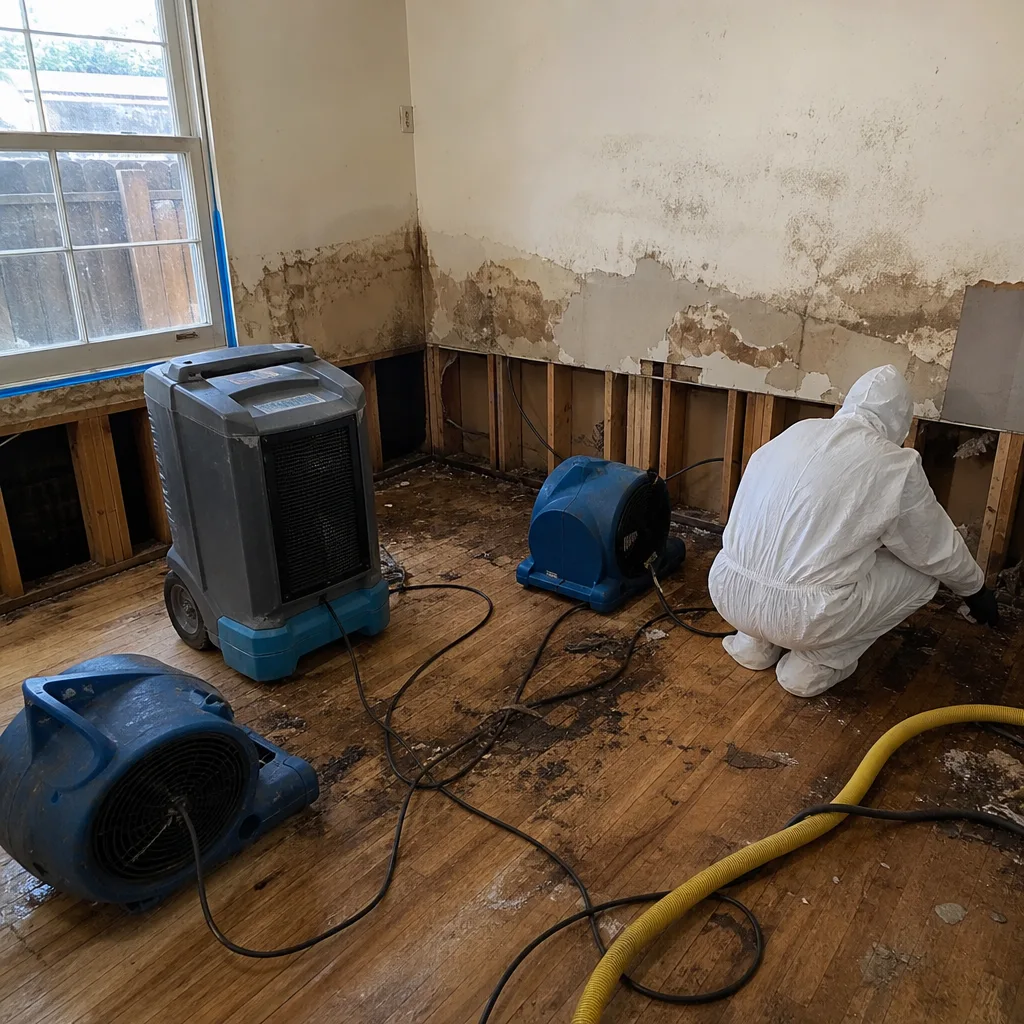 Before
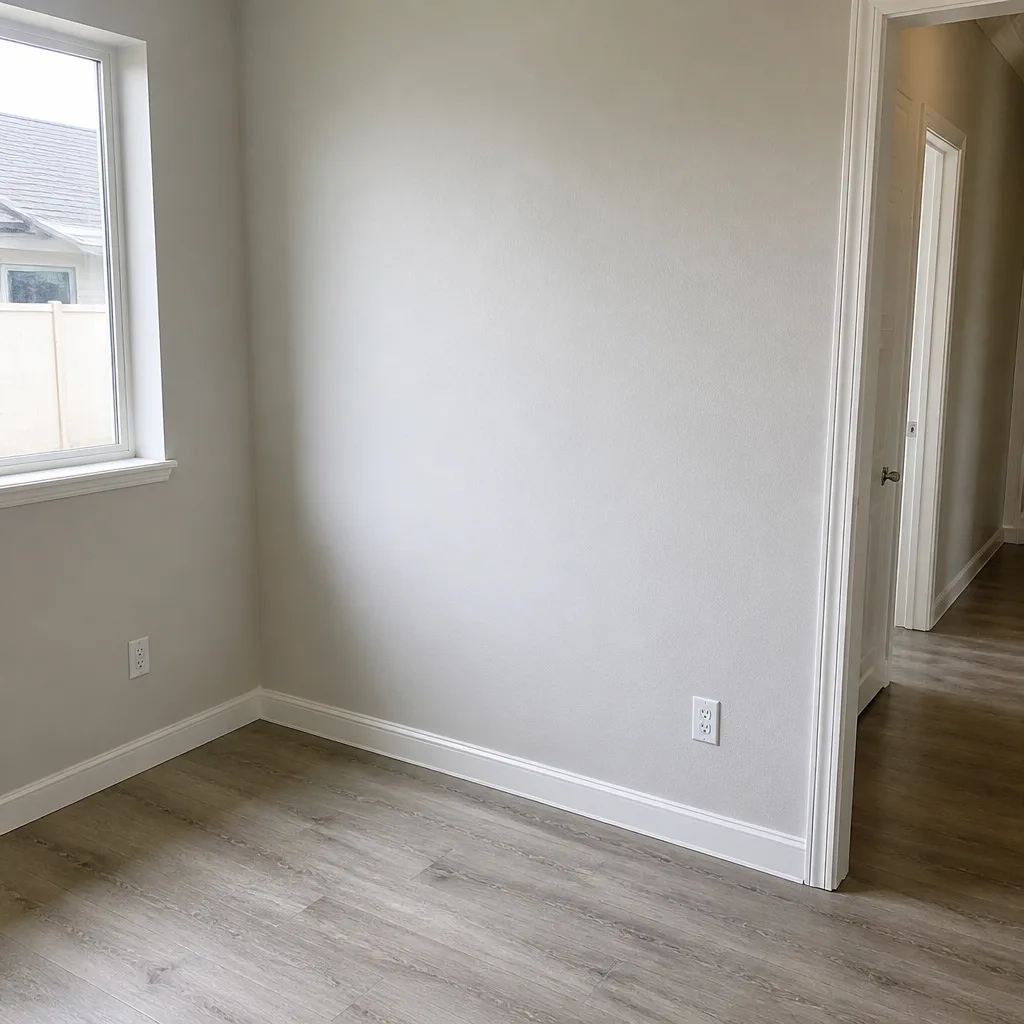 After
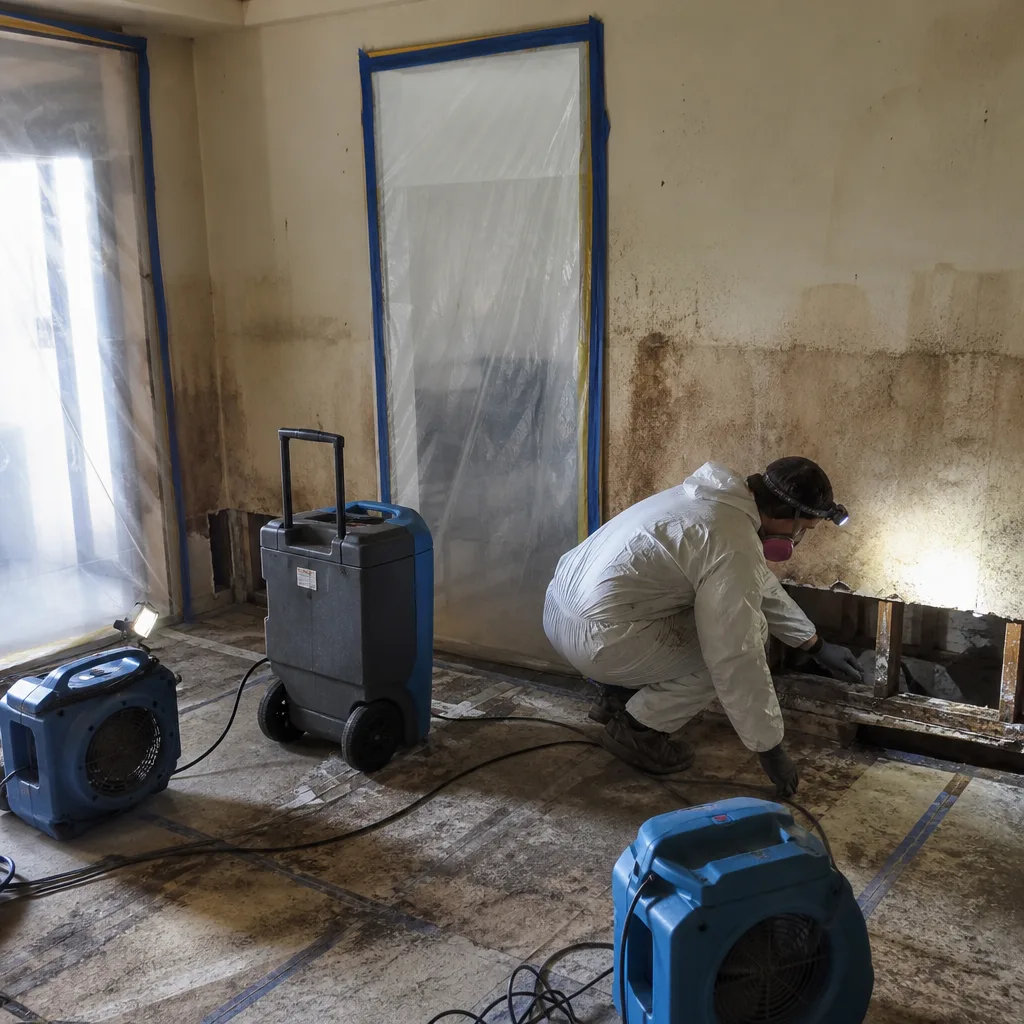 Before
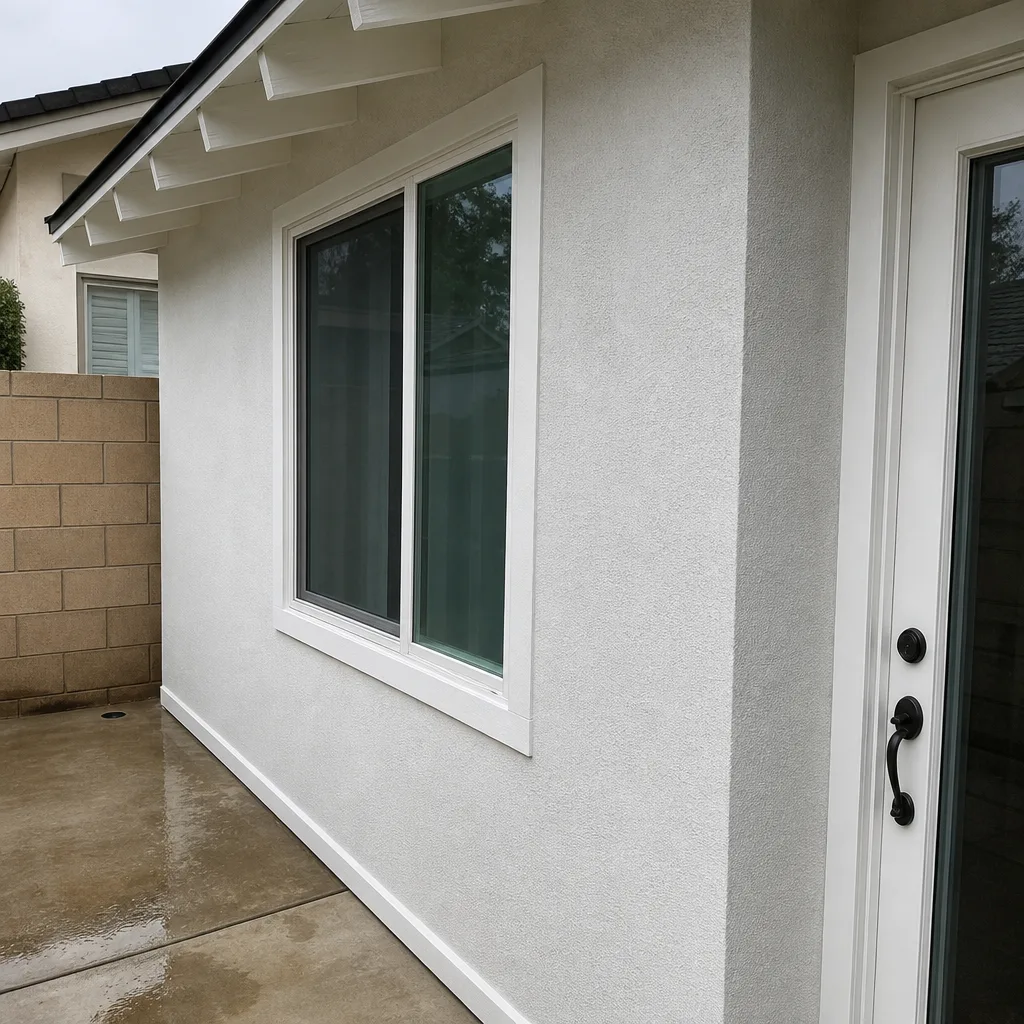 After
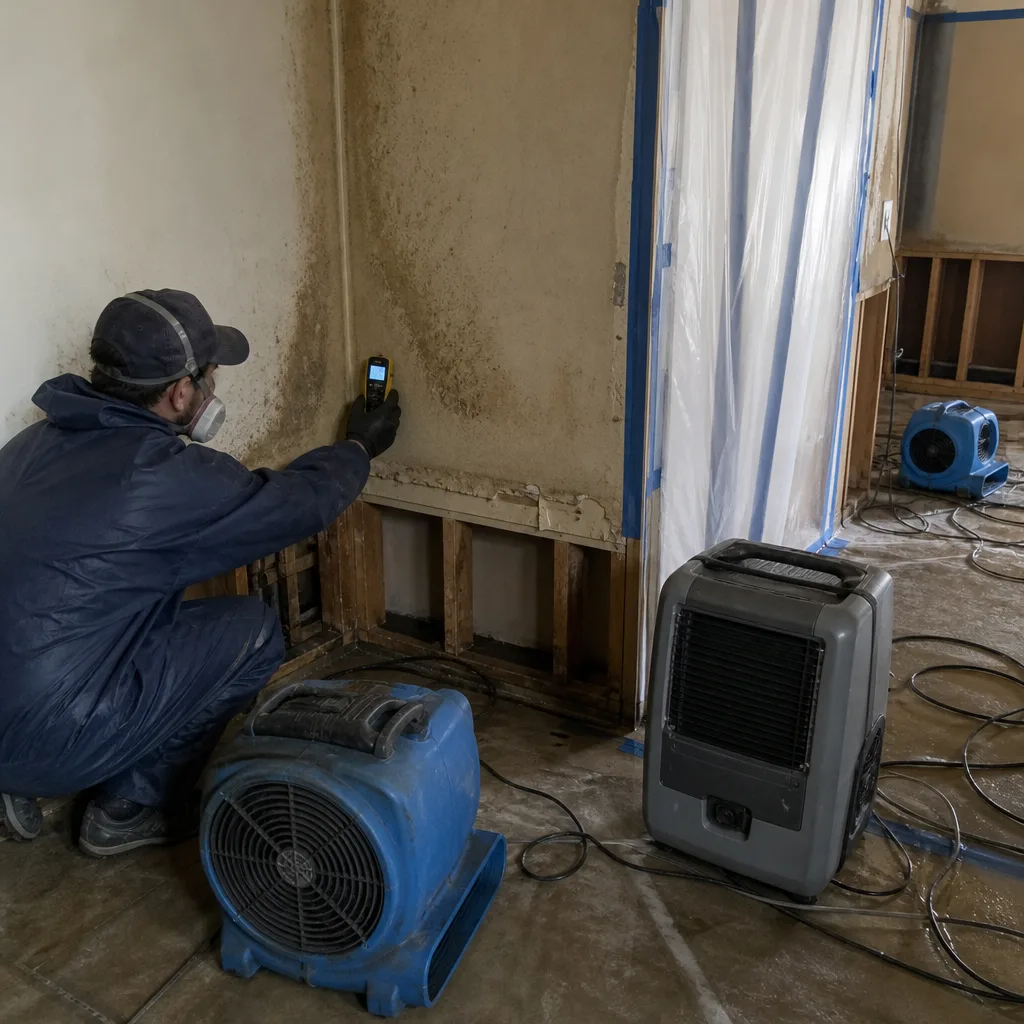 Before
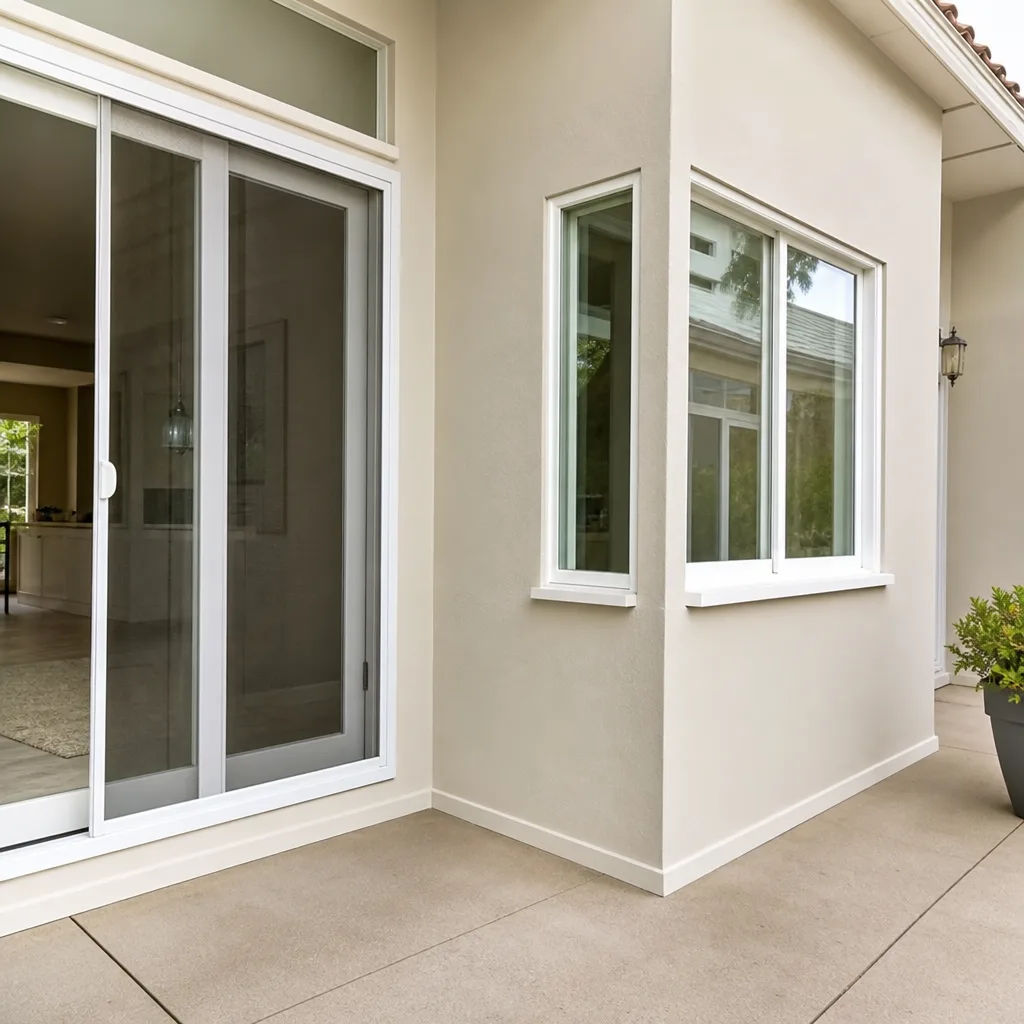 After
Common Water Damage Restoration Problems We See in Grand Terrace Homes
- Hidden uphill foundation wicking: Runoff from the terraced fan above a home pushes moisture through the uphill foundation wall and into the slab. The first visible sign is usually damp carpet in a lower split-level room, far from the actual entry point. We moisture-map every Grand Terrace job before drying begins so that wall gets dried, not ignored.
- Original cast-iron drain failure: Homes built from the 1950s through the 1970s often still have the original cast-iron drain lines under the slab. They fail slowly, leaking into the sub-slab gravel for months before a homeowner notices a stain or smell. By then the slab and wall baseplates are holding water.
- Boom-bust weather damage that lets next storm in: Grand Terrace’s long dry spells crack stucco, roof flashings, and window seals. When an atmospheric-river storm arrives, those cracks turn into Category 2 or 3 water entry paths. We see more storm damage from water sneaking through old penetrations than from water falling directly on roofs.
- Stopped-too-early drying jobs: A contractor dries the visible downhill room, signs off, and leaves. The uphill wall stays wet because slope-fed moisture is still entering. Within weeks the smell returns and mold starts behind the baseboard. We document moisture readings throughout drying so this doesn’t happen.
Pricing for Water Damage Restoration in Grand Terrace, CA
A water damage restoration project in Grand Terrace runs from about $1,800 for contained drying of one room to $6,500 for structural drying across a split-level or lower floor. Extraction-only on small isolated damage can run $800 – $1,500. The numbers depend on how far water traveled, whether structural cavities are affected, and what finish materials are involved. Hidden slab moisture and uphill wall wicking are the usual cost drivers in Grand Terrace, not square footage. We give you a written scope and range before work starts, and we handle the insurance paperwork and adjuster coordination directly. Call (877) 265-8058 for a free estimate.
We also serve Water Damage Restoration in Grand Terrace with the same IICRC-certified process, so the estimate you get reflects Grand Terrace’s actual conditions, not a generic baseline.
We Also Serve Cities Near Grand Terrace
Oxford Restoration Co handles water damage response across the Inland Empire, including Water Damage Restoration calls in Highgrove, Colton, Loma Linda, and Rubidoux. If you’re in any of those communities, our Grand Terrace crews can reach you just as quickly and with the same equipment. Call (877) 265-8058 wherever you are in the basin.
Serving Grand Terrace, CA — Our Local Coverage Area
We’re based in the Grand Terrace area and know this community well. Use the map below to see our service coverage — if you’re nearby, we can almost certainly help.
FAQs About Water Damage Restoration in Grand Terrace
Because Grand Terrace sits on a steep terraced alluvial fan below Blue Mountain, storm runoff channels downhill through the soil and pushes against your foundation. The hydrostatic pressure forces water through micro-cracks and into the slab, and gravity carries it to the lowest room in the house. The water didn’t start there. It’s ending up there. We moisture-map the uphill wall to find the actual entry point before we dry anything. Call (877) 265-8058 if you’re seeing this pattern.
Original cast-iron drain lines under a slab-on-grade Grand Terrace ranch corrode slowly from the inside out. Water seeps into the sub-slab gravel and travels sideways, wicking into wall baseplates and flooring far from the pipe itself. By the time you see a stain, the slab has usually been feeding moisture into the structure for weeks. Our moisture mapping finds the wetted path, not just the visible stain. Call us for an assessment before you patch anything.
You have 48 to 72 hours before mold growth becomes likely, but structural drying in Grand Terrace should start the same day. The longer water sits in hillside wall cavities, the more it wicks into studs, drywall, and slab, and the more the repair scope grows. We respond to Grand Terrace homes daily, including storm nights. Call (877) 265-8058 and we’ll start moisture mapping immediately.
Yes. Category 1 water from a clean supply line means we can usually dry carpet, pad, and wall cavities aggressively. Category 2 or 3 water from storm runoff or a failed drain line means saturated porous materials like pad, baseboards, and sometimes drywall get removed and replaced because they cannot be safely dried. We test water category on every Grand Terrace job and document it for your insurer. The answer changes the scope, but never the standard of drying.
In many Grand Terrace homes, yes. With Injectidry cavity drying systems, we can pull moisture from inside walls without cutting them open, which often preserves original mid-century baseboard and trim. We also do a pack-out of belongings and document everything for your insurance claim. Where materials are saturated with Category 2 or 3 water, we’ll explain what must go and why. Call (877) 265-8058 for an honest breakdown.
Written by Noel Carrasco, Owner at Oxford Restoration Co, serving Grand Terrace and the surrounding Inland Empire with IICRC-certified water damage restoration, structural drying, and mold remediation.