
 Water damage drying
 Fire & smoke cleanup
 Mold remediation
 Storm response
 Sewage cleanup
 Reconstruction
Free visual inspection and a written scope of work before any mitigation begins - photos, moisture readings, and drying logs go in your claim file
The scope we write is the scope we bill. Anything new gets shown to you, in writing, before we touch it.
Get your free estimateFast, Reliable Water Damage Restoration Across Corona
When water invades a Corona home, the clock starts immediately. Most water damage restoration projects in Corona run between $2,400 and $7,800 depending on the Category of water, the square footage affected, and whether structural cavities are involved. Our crews reach Corona neighborhoods like Sierra Del Oro, the Green River corridor, and the historic core within 60 to 90 minutes of your call. We’ve been drying homes along the 91 and 15 corridors long enough to know exactly what Corona’s wind patterns and foothill terrain do to a house. Call (877) 265-8058 the moment you see water where it shouldn’t be.
Why Oxford Restoration Co Is Corona’s Preferred Water Damage Restoration Company
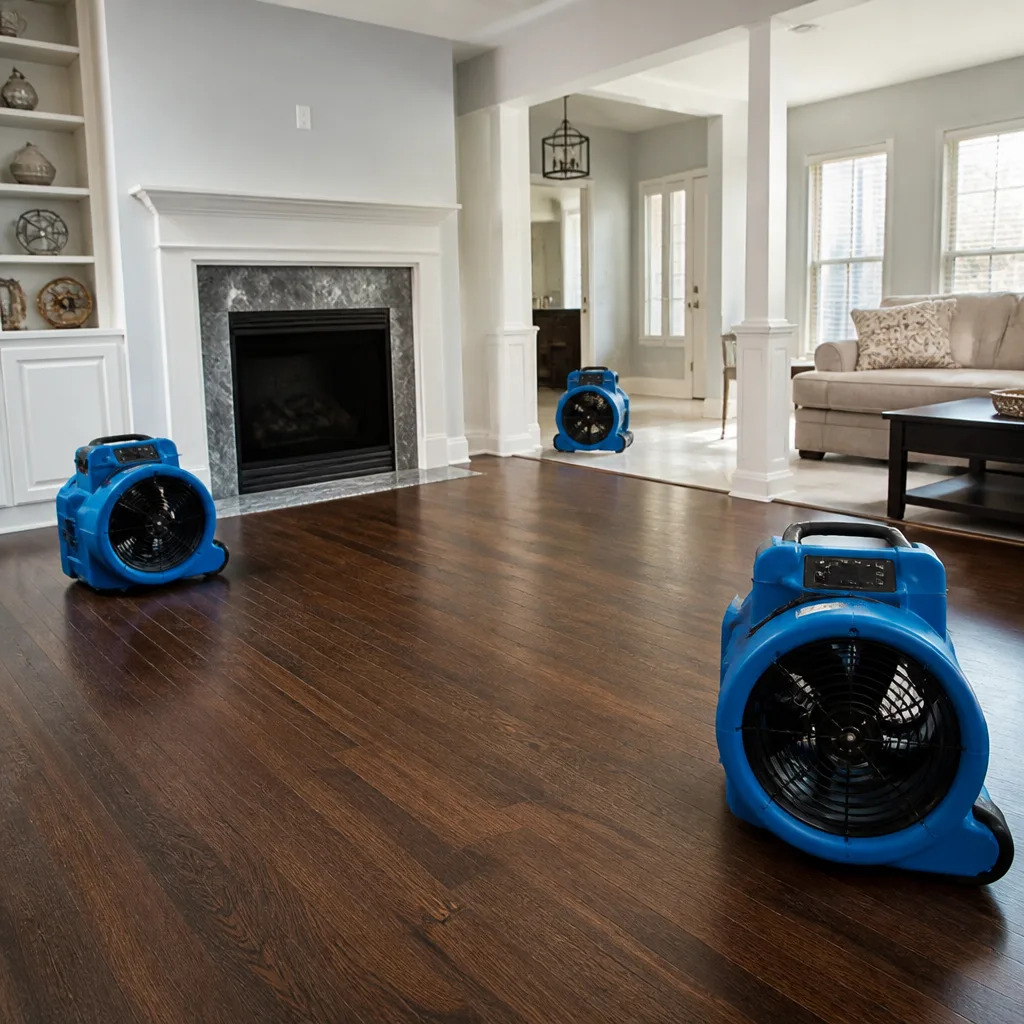
Corona homeowners call us because we treat water damage as a technical problem with a measurable solution, not a cleanup job. Our work is performed to the IICRC standard, which means drying goals, moisture readings, and equipment placement follow a documented protocol rather than a technician’s gut feeling. We run the same industrial-grade systems used by large commercial restoration firms: Dri-Eaz dehumidifiers, Phoenix axial air movers, and Injectidry cavity-drying systems that pull water from wall interiors without ripping out drywall. When a Home Gardens property manager needs a drying log for an insurance file, or a Sierra Del Oro homeowner wants to know the moisture content behind a stucco wall before we pack up, our documentation holds up to scrutiny.
Led by Noel Carrasco, Oxford Restoration Co handles water damage, mold remediation, and fire damage restoration under one specialized roof. That single-source coverage matters when a wind-damaged roof in Corona leads to water intrusion, which leads to mold inside a wall cavity. You don’t get handed off to a subcontractor who wasn’t there for the initial assessment. The same crew that extracts the water dries the structure and treats the microbial growth. Membership in the Restoration Industry Association and IFA affiliation keep our process aligned with current restoration science, not outdated shortcuts.
Restoration work we handle
Water Mitigation in Corona
Water Mitigation in Corona means something different than in coastal Orange County cities. Here, the dry heat and Santa Ana winds pull surface moisture out of materials fast, which creates a false sense that the structure is dry. A stucco wall can feel bone-dry on the surface while the cavity behind it holds 30% moisture content. That hidden saturation is where mold starts, often within 24 to 48 hours. A typical water mitigation job in Corona runs $1,800 to $4,600 for a single room including extraction, containment, structural drying equipment, and daily monitoring. Multi-room or whole-floor losses push toward $6,000 to $9,000.
Cavity Drying Without Demolition
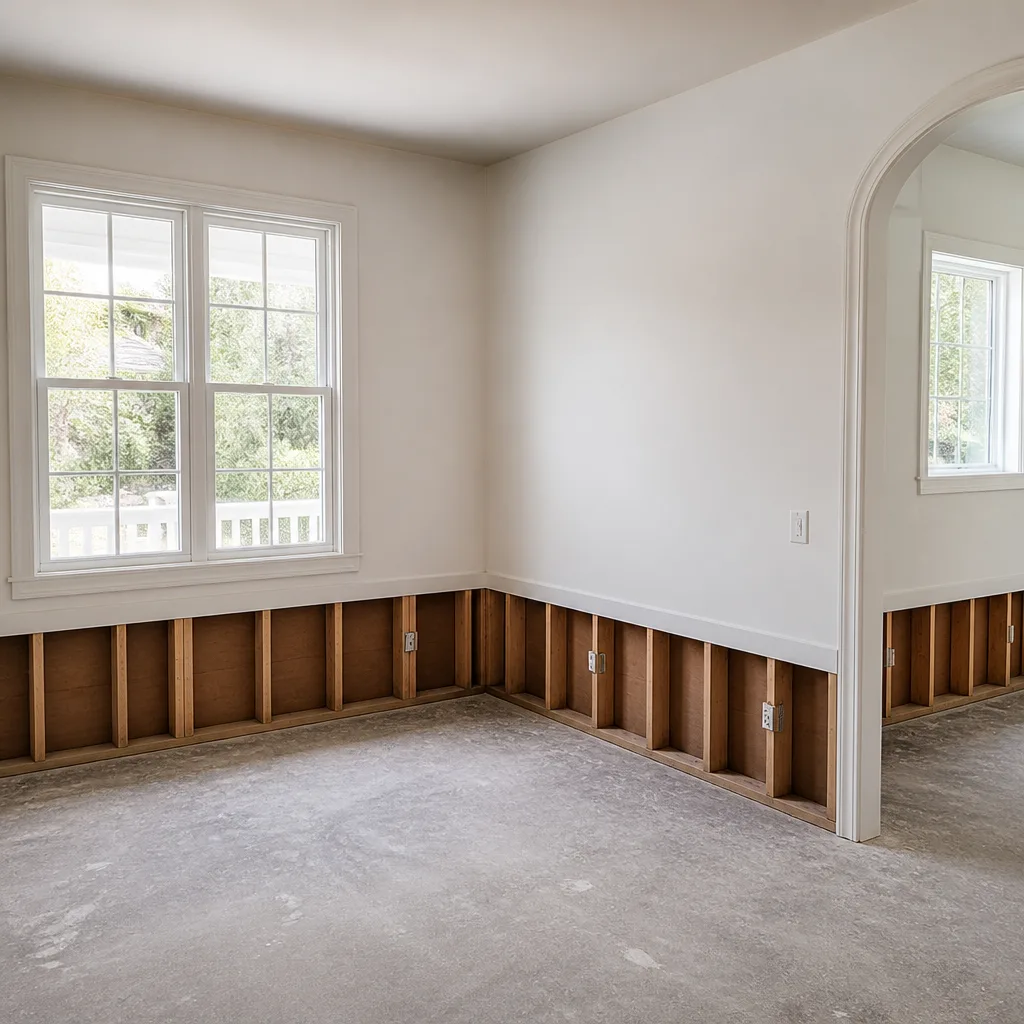
Most contractors in Corona dry what they can see. We dry what we can measure. Injectidry systems push air through wall cavities and behind baseboards, pulling moisture out of spaces that would otherwise require demolition. For a 1990s tract home in south Corona with water inside an exterior stucco wall, that difference can save $3,000 to $5,000 in drywall replacement and repainting.
Moisture Mapping Before Equipment Placement
We don’t set equipment based on where the floor looks wet. We map moisture readings across the affected zone, mark the boundaries, and place air movers and dehumidifiers according to that map. In Corona’s stucco-and-tile construction, water travels horizontally through wall plates and into adjoining rooms. A leak near a window in one bedroom can saturate the wall cavity of the adjacent room without ever showing a stain. Mapping catches that before mold does.
Flooded Basement in Corona
A flooded basement in Corona is less common than in other cities because most slab-on-grade construction doesn’t include basements. What Corona homeowners do have are split-level lower rooms, sunken living spaces, and converted garages below grade along the foothill edges. When canyon runoff or a failed water heater floods those spaces, the water sits against the slab and wicks into drywall and framing. Typical flooded basement or below-grade room extraction in Corona runs $2,200 to $5,500 depending on water depth, affected wall length, and whether silt or debris came with the water.
Category 3 Water From Canyon Runoff
Silt pushed into a lower-level room or garage near Green River from monsoon runoff is not clean water. It’s Category 3: contaminated with soil, bacteria, and whatever the runoff carried. Treating it as a simple vacuum-and-dry job leaves pathogens in porous surfaces. We extract, remove affected porous material, apply antimicrobial treatment, and document the contamination source so the insurance scope reflects what actually happened.
Rapid Extraction and Sump Coordination
For properties with a functioning sump, we coordinate extraction with the sump system to prevent re-intrusion while drying proceeds. For split-level homes without sumps, we set temporary extraction points and monitor floor drains. Corona’s hard clay soil slows natural percolation after heavy rain, so lowering interior moisture fast is the only way to stop wicking into wall cavities.
Trusted Brands We Service in Corona
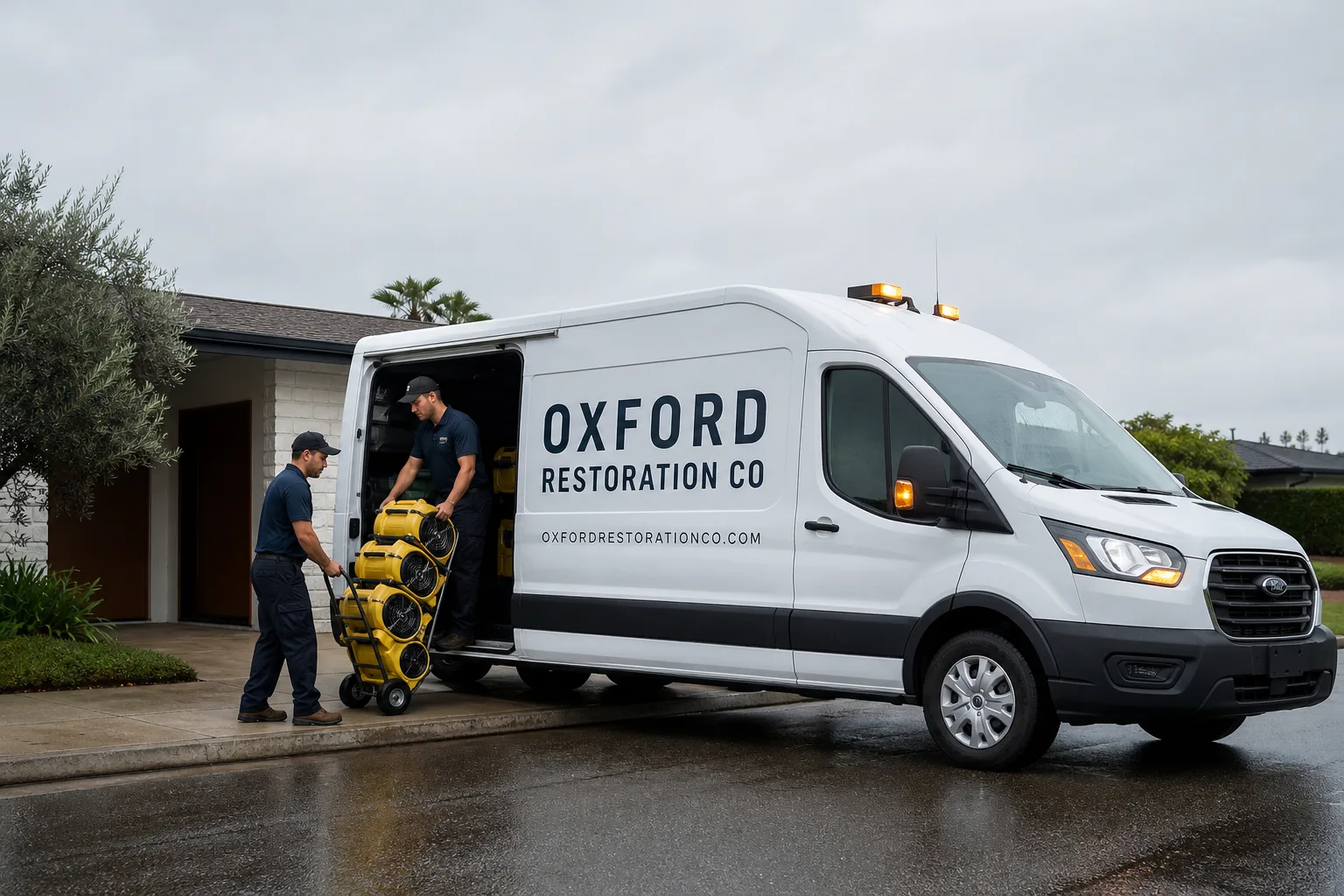
We service and operate equipment from Dri-Eaz, Phoenix, XPOWER, and Injectidry, the same professional-grade brands used by commercial restoration firms across the country. Because our crews carry these systems into Corona every day, we stock common parts and know how each unit performs in Corona’s hot, dry conditions. High heat reduces dehumidifier efficiency, so our technicians adjust airflow and add desiccant units when daytime temps climb above 95°F. When a Phoenix dehumidifier needs a compressor capacitor mid-job, we’re not waiting on a supplier to ship it across the country. That keeps your drying timeline on schedule.
Common Water Damage Restoration Problems We See in Corona Homes
- Wind-sheared roof tiles that don’t leak until the first big rain. Santa Ana winds lift ridge caps and break tile in Sierra Del Oro and the Green River area, but the underlayment holds back water until a monsoon cell stalls against the Santa Ana Mountains. By the time water shows up on a ceiling, the wall cavities have been wet for days.
- Saturated wall cavities hidden behind dry stucco. Corona’s dry climate pulls surface moisture fast, so a wall reads dry to the touch while the cavity behind it holds 25% to 35% moisture. Only moisture meters and cavity probes catch this before mold starts.
- Supply-line failures in 1990s and 2000s tract homes. South Corona’s large stock of homes built along the 91 corridor often has original PEX or copper supply lines now pushing 20 to 30 years old. When a line fails behind a wall, water travels along the wall plate before anyone notices a bulge or stain.
- Garage slab water migration from canyon runoff. Homes near arroyos and foothill drainages get silt and water pushed into garages and patios during flash floods. The water wicks under the slab edge and into finished walls, creating a moisture problem that starts below grade and climbs.
See the difference
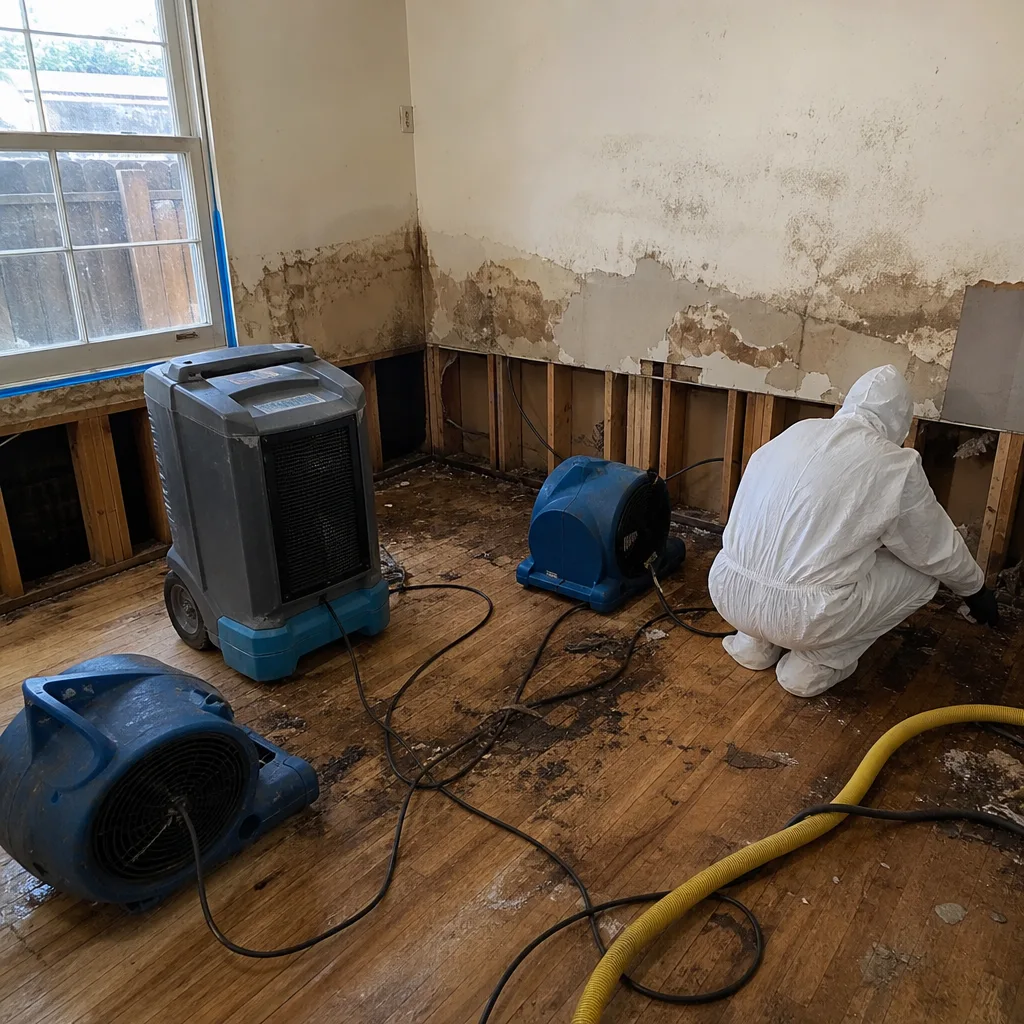 Before
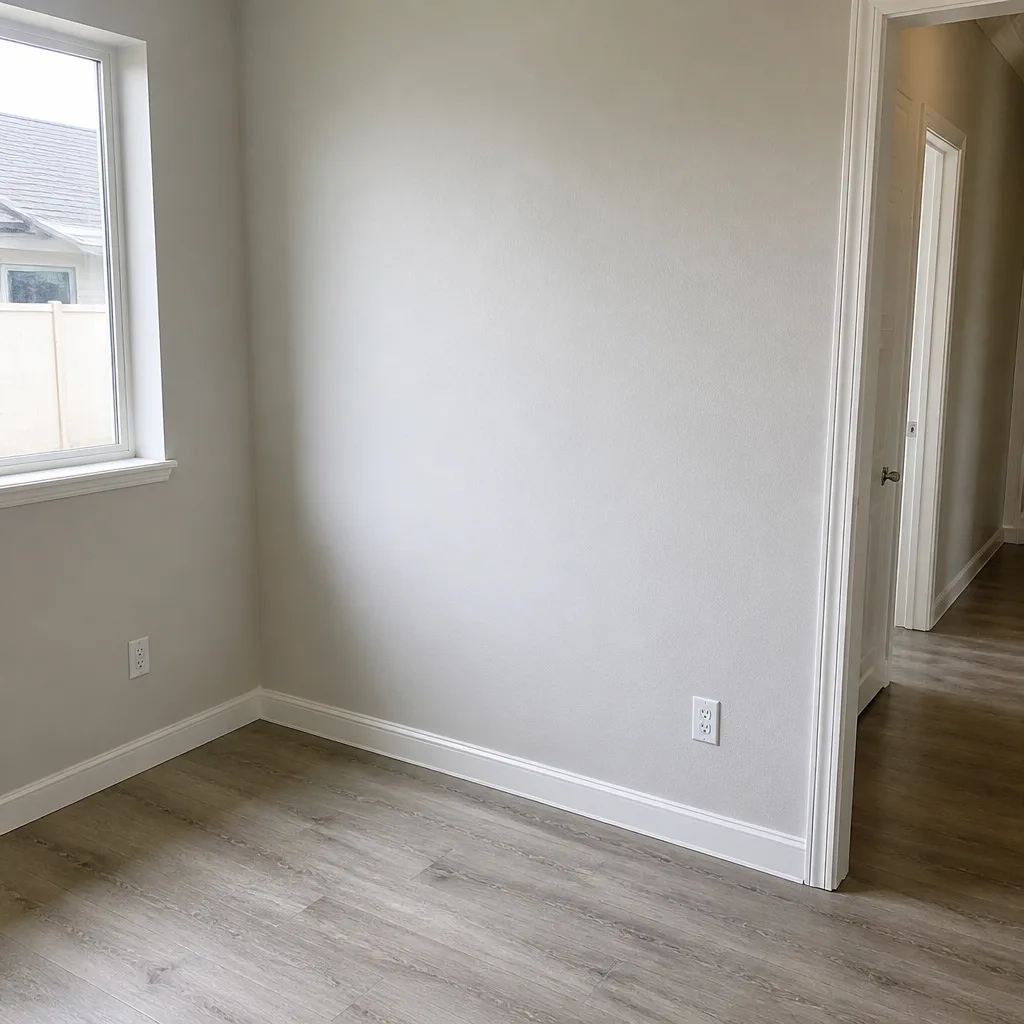 After
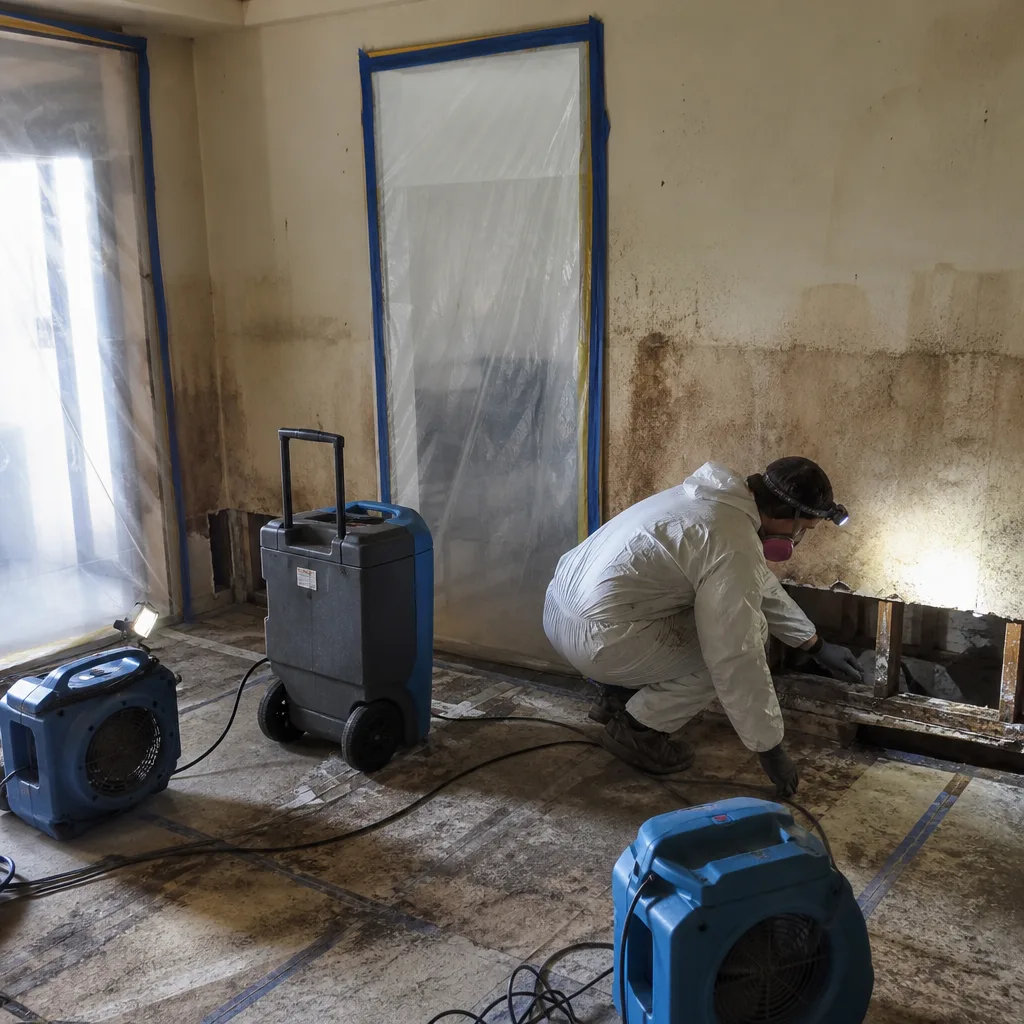 Before
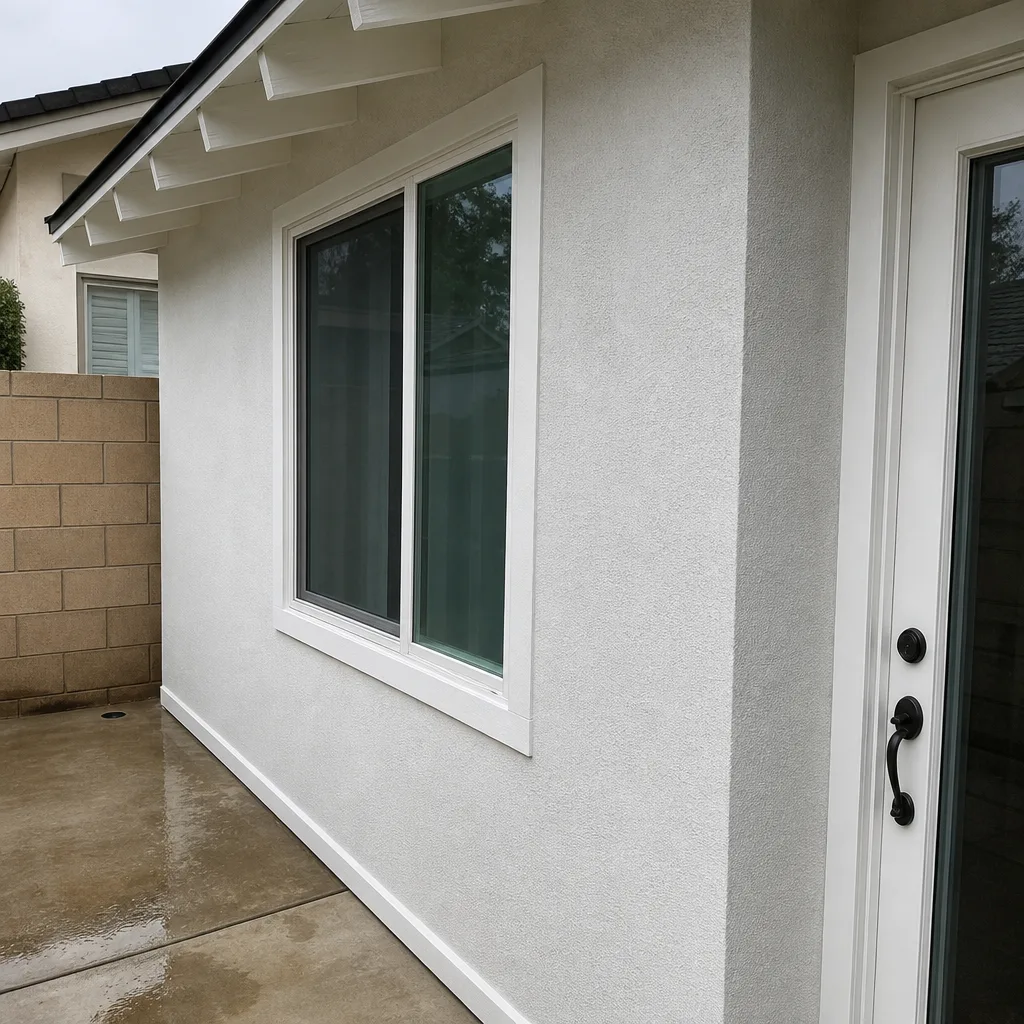 After
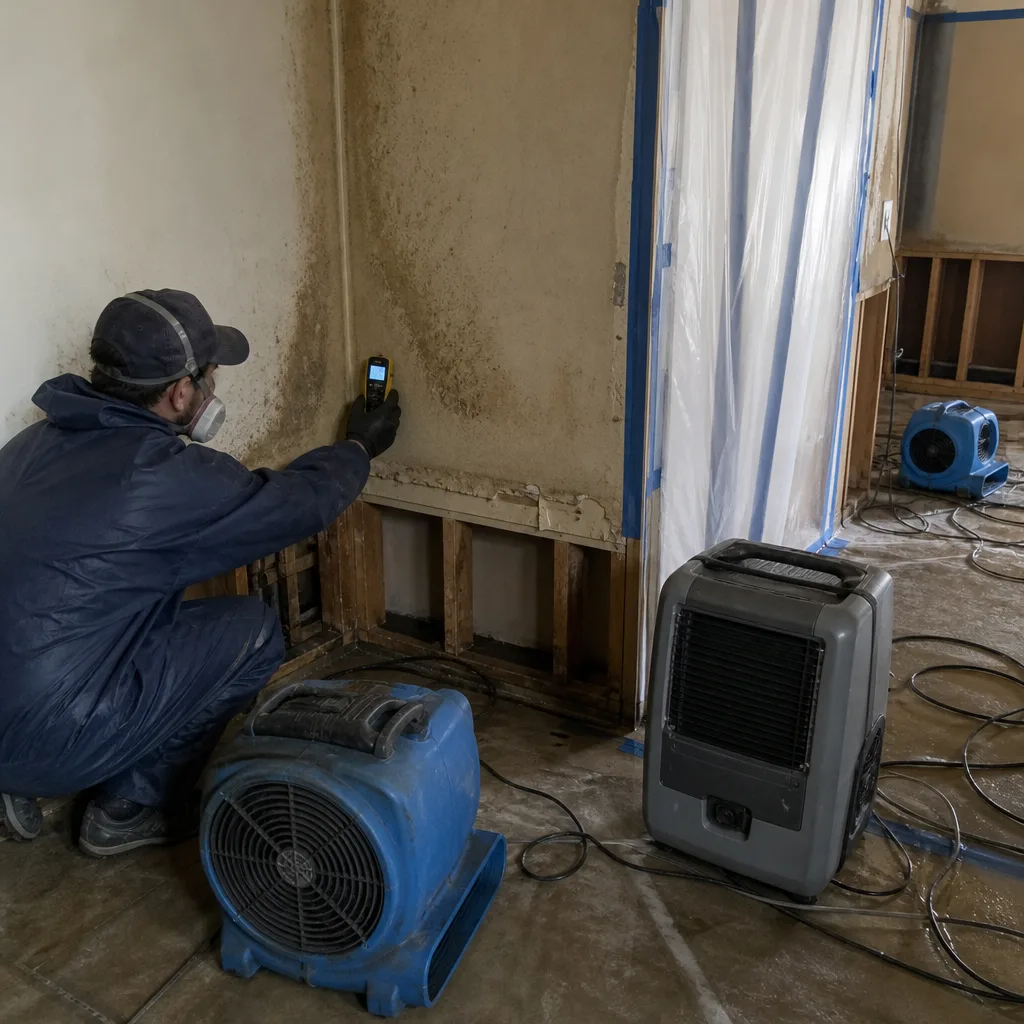 Before
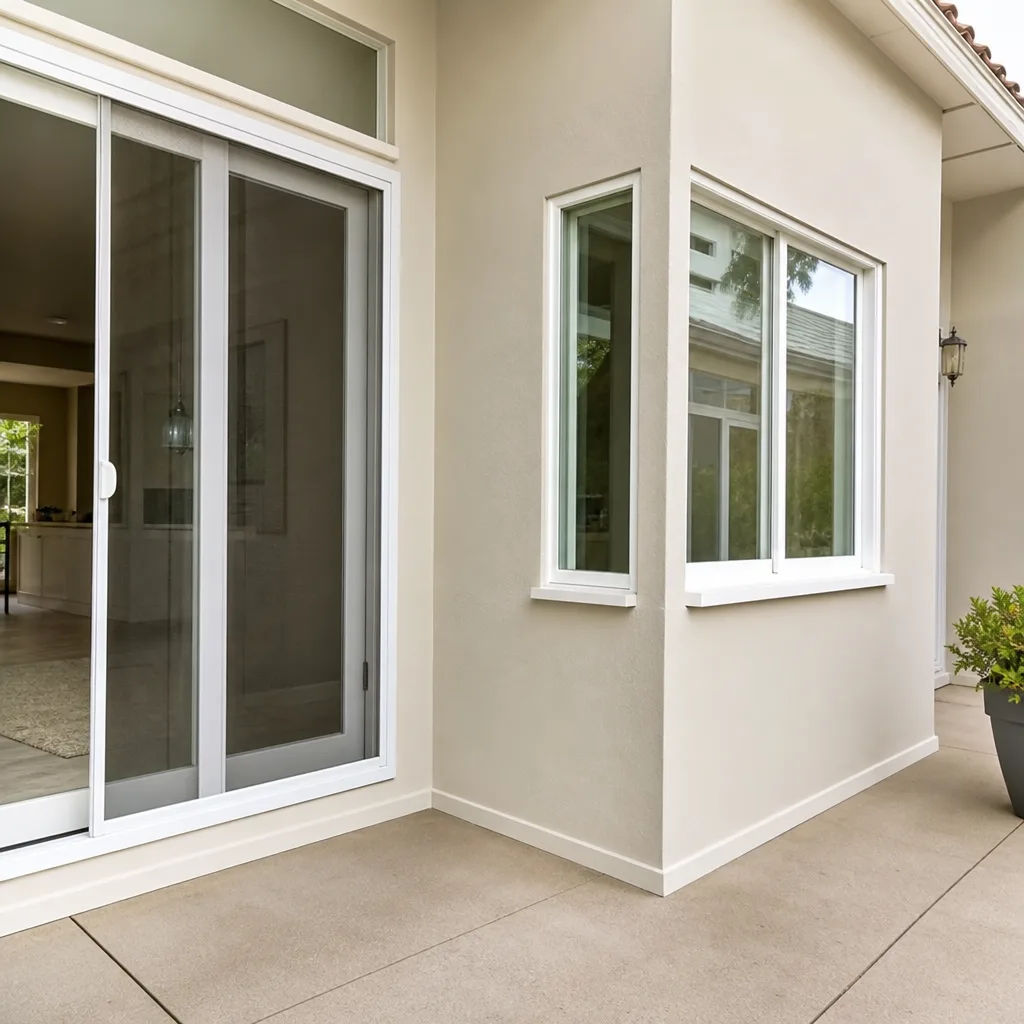 After
Pricing for Water Damage Restoration in Corona, CA
Corona’s water damage restoration market runs tighter than coastal pricing because of the housing stock and the types of losses. Here are the ranges we see most often: emergency water extraction alone runs $900 to $1,800 for a standard room. Structural drying with dehumidification and air movement adds $1,200 to $3,400 depending on chamber count and days on site. A flooded lower-level or garage from canyon runoff with Category 3 contamination typically lands between $3,800 and $7,200. Wind-driven roof breaches requiring cavity drying and antimicrobial treatment run $4,500 to $9,800. Every estimate includes a written scope of work before equipment goes in, and we photograph everything for your insurance file. Call (877) 265-8058 to schedule a free assessment.
We Also Serve Cities Near Corona
Our crews cover all of Corona’s service area with the same IICRC-certified process, and we regularly respond to calls in Corona neighborhoods including Sierra Del Oro, Green River, and the historic core. Water damage doesn’t respect city lines, so we also serve Home Gardens, El Cerrito Corona, Eastvale, and Norco. If you’re in a neighboring community and water is moving through your house, call us. Our Water Damage Restoration team will be on the road to you within the hour.
Serving Corona, CA — Our Local Coverage Area
We’re based in the Corona area and know this community well. Use the map below to see our service coverage — if you’re nearby, we can almost certainly help.
FAQs About Water Damage Restoration in Corona
No. Wind-sheared tiles and lifted ridge caps often don’t leak immediately because the underlayment holds back the first moisture, but the breach is there. When the first monsoon cell stalls against the mountains, water enters the wall cavities through that damaged area and saturates insulation and framing behind the stucco. By the time you see a ceiling stain, mold has likely already started. A post-storm inspection with moisture mapping catches the breach before it becomes a full restoration project. Call (877) 265-8058 to schedule one.
The roof structures in those ZIP codes are built on stucco-and-tile assemblies where water that gets past the tile and underlayment travels along the roofline and into the wall channels before gravity pulls it down. Corona’s hot, dry air then evaporates surface moisture so fast that the only wet reading is deep inside the wall. A simple ceiling patch would miss the saturated cavity entirely. That’s why we moisture-map every wind-damaged roof call in 92881 and 92883 before recommending any repair scope.
No, and treating it that way is a mistake. Canyon runoff is Category 3 water, meaning it carries soil bacteria, organic matter, and whatever agricultural chemicals washed down from the foothills. Porous materials like drywall, insulation, and particleboard that absorbed that water need to be removed, not dried. Hard surfaces get extraction, antimicrobial treatment, and HEPA vacuuming. We document the contamination source so your insurance adjuster sees why the scope includes material removal rather than drying alone.
It dries the surface faster, which makes the job more dangerous if you’re trusting touch or a visual check. The dry air pulls moisture out of exposed surfaces quickly, but wall cavities, subfloor layers, and slab edges stay wet. If equipment is removed based on how the surface feels, those hidden areas keep wicking moisture and mold starts inside the wall. We use moisture meters and cavity probes to verify that the whole assembly, not just the surface, has reached dry standard. Sometimes Corona’s dry climate actually extends drying time because desiccant dehumidifiers are needed to force water out of cavities that closed-cell stucco is holding in.
A post-storm scope covers four things: a moisture map of the ceiling and wall cavities beneath any damaged tile, drying of any saturated cavities using Dri-Eaz dehumidification and Injectidry systems where needed, antimicrobial treatment and containment if moisture readings show mold risk, and a documented drying log that shows pre-loss condition and the drying milestones. That log is the piece your insurance adjuster uses to verify the loss was wind-driven and not pre-existing. It’s the difference between a covered claim and a long argument. Call (877) 265-8058 for a post-storm assessment before the next rain system arrives.
Call Oxford Restoration Co for Water Damage Restoration in Corona, CA
When water is moving through your Corona home, every hour matters. Our IICRC-certified crews respond to Corona neighborhoods within 60 to 90 minutes, run industrial-grade equipment, and document every step for your insurance file. We’re led by Noel Carrasco, and we’ve built our reputation on drying structures completely, not just making surfaces look dry. Call (877) 265-8058 for a free estimate and a written scope of work before any equipment goes in.
Written by Noel Carrasco, Owner at Oxford Restoration Co, serving Corona since 2016.