
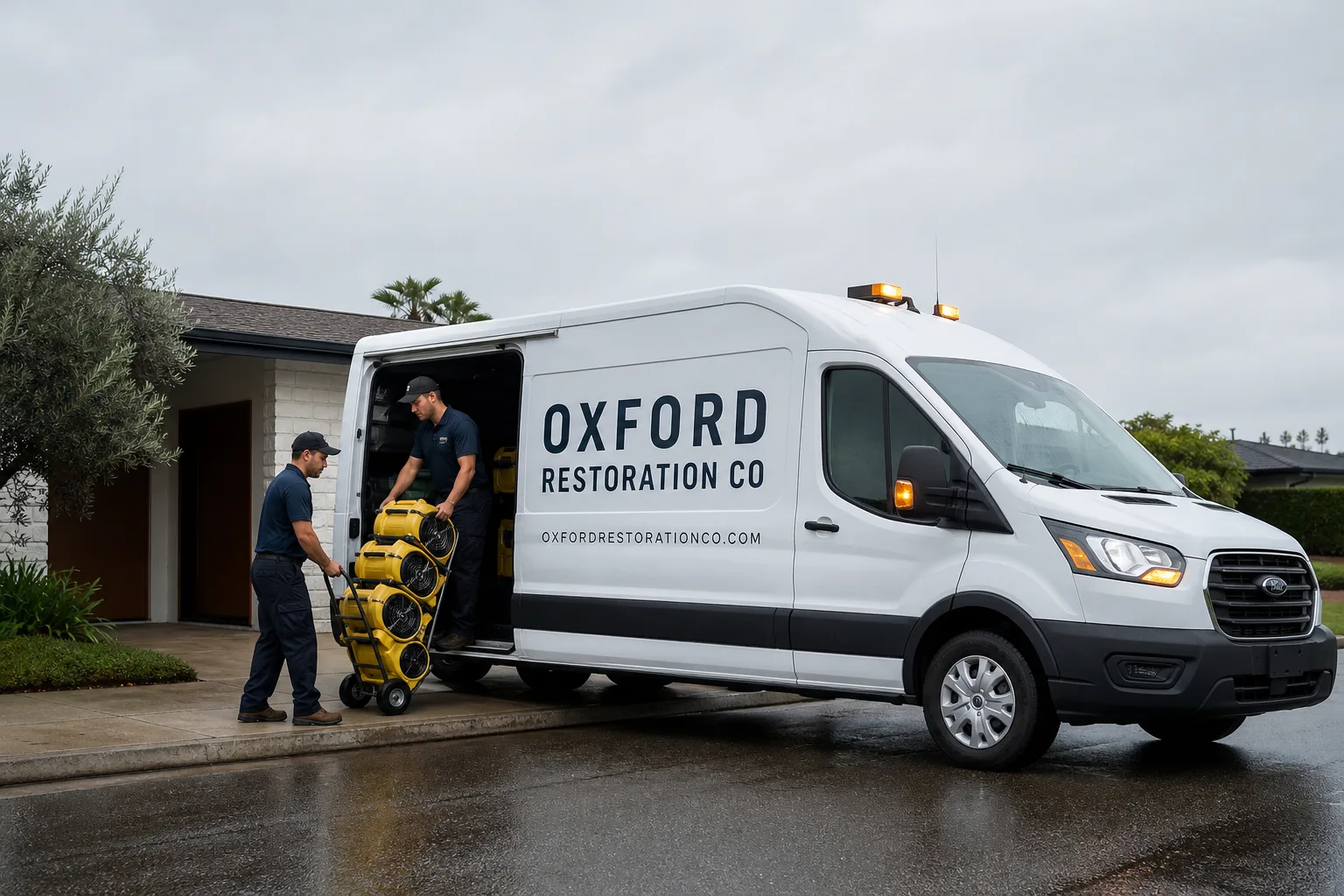
 Mold remediation
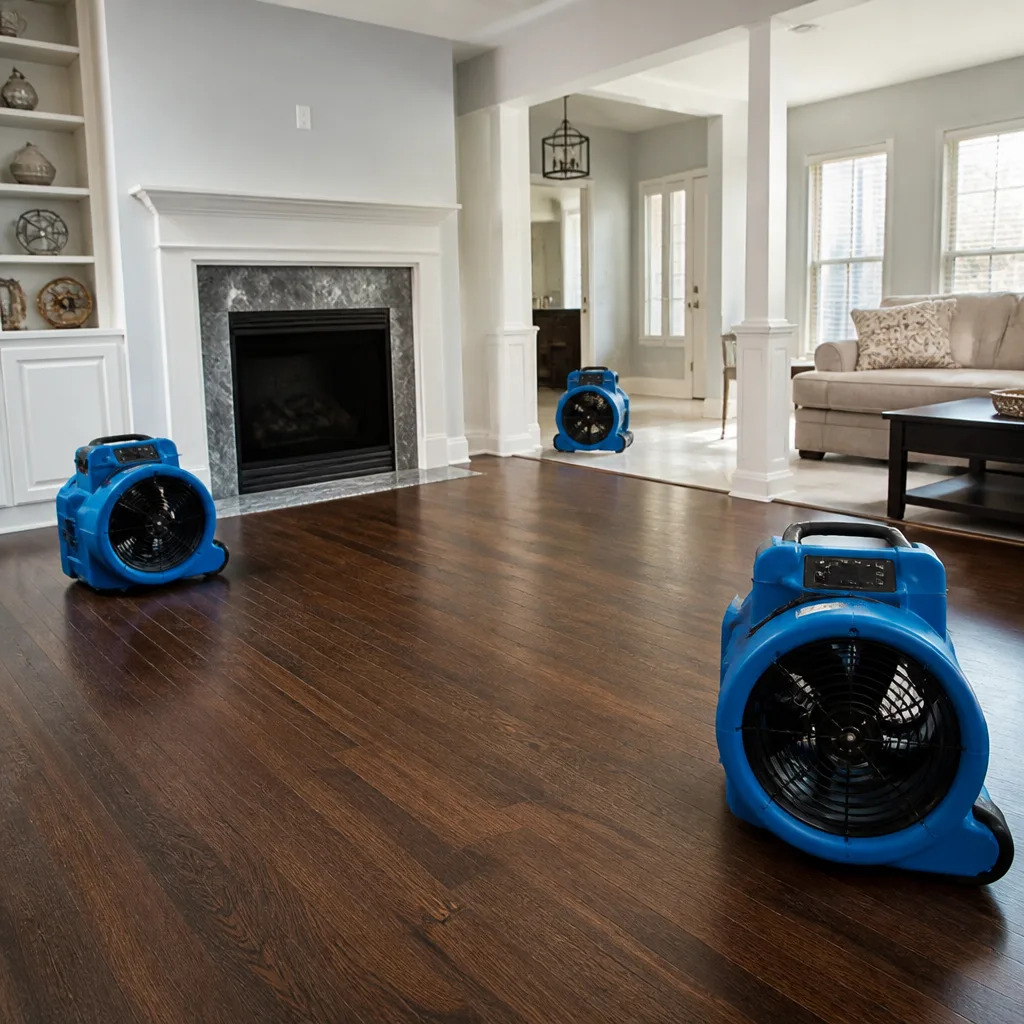 Water damage drying
 Fire & smoke cleanup
 Storm response
 Sewage cleanup
 Reconstruction
Free visual inspection and a written scope of work before any mitigation begins - photos, moisture readings, and drying logs go in your claim file
The scope we write is the scope we bill. Anything new gets shown to you, in writing, before we touch it.
Get your free estimateFast, Reliable Mold Remediation Across San Antonio Heights
If you’ve spotted mold in your San Antonio Heights home, the most important fact to know is this: what you can see is usually only a fraction of the problem. Mold remediation in San Antonio Heights typically costs between $1,800 and $6,500 depending on how far the colony has spread through wall cavities, crawl spaces, or around mid-century plumbing runs. Our crews reach San Antonio Heights the same day you call. We know the housing stock here, we know how the mountain-adjacent climate drives moisture into older structures, and we know where mold hides in ranch-style homes built in the 1950s through the 1970s. Call (877) 265-8058 for a free visual and moisture assessment before the colony spreads further.
Why Oxford Restoration Co Is San Antonio Heights’s Preferred Mold Remediation Company
San Antonio Heights homeowners call us because we approach mold as a structural and environmental problem, not a surface cleaning job. Our IICRC-certified process starts with moisture mapping across the full envelope, not just the visible stain. That matters in a neighborhood where original copper plumbing from the mid-century era weeps inside wall cavities for weeks before discoloration ever shows on drywall. Property managers and owners along Euclid Avenue and the larger lots near the San Gabriel foothills have seen us find mold behind kitchen backsplashes and inside plumbing chases that a visual-only inspection would have missed entirely.
We respond to San Antonio Heights calls without the delay you get from restoration firms based across the county. Our equipment fleets come from Costa Mesa, but the dispatch logic is built around foothill communities like this one. When a slab leak or roof intrusion kicks off a mold bloom, waiting three days for containment is how a $2,000 remediation becomes a $9,000 rebuild. We arrive same-day, set up containment before any air movement begins, and photograph everything for your insurer. Written scope before work starts. No exceptions.
Noel Carrasco, our owner, built this company around a simple standard: restore to pre-loss condition, never just “clean it up.” That’s why we run Dri-Eaz dehumidifiers and B-Air air movers on every Mold Remediation job, and why we’re affiliated with the RIA and IFA as well as holding IICRC certification. In San Antonio Heights, that rigor gets put to the test with aging copper, wildfire debris moisture, and Santa Ana wind seasons that drive dust and spores into every crack in a structure.
Restoration work we handle
Mold Removal Contractor in San Antonio Heights
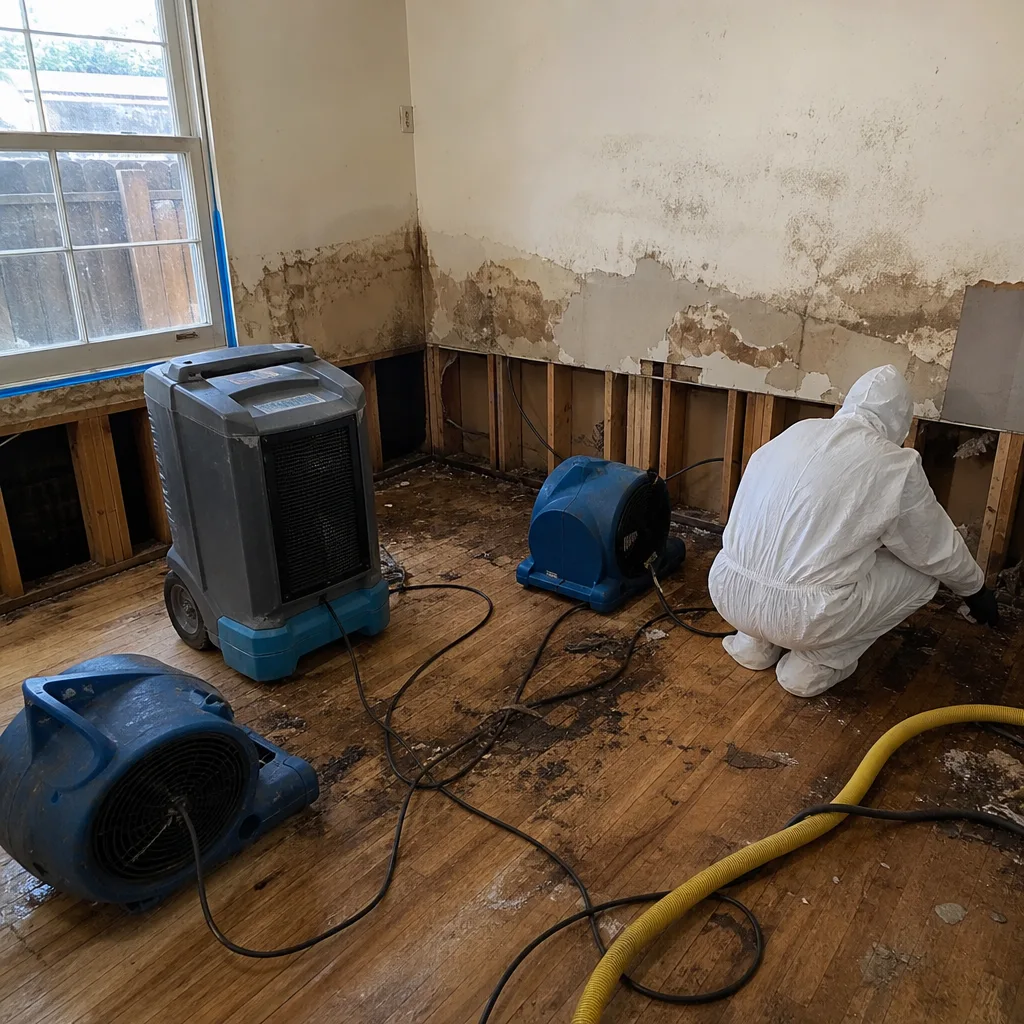
A Mold Removal Contractor in San Antonio Heights deals with what happens after water has been sitting where it shouldn’t: inside walls, under flooring, above ceilings, or below the house in a crawl space. Our crews handle containment, controlled demolition of affected drywall and insulation, antimicrobial treatment on framing, and structural drying. In a city of ranch-style homes with open floor plans, that containment step is non-negotiable. Running fans without containment in a 1960s living room that flows into a kitchen and hallway just spreads spores to rooms that were never contaminated. We don’t do that.
Containment Before Air Movement
This is the biggest difference between a certified remediation and a handyman with a shop vac. In San Antonio Heights homes, where bedrooms often open directly off central living space, we build negative-air containment around the affected zone before any demolition or drying begins. That protects the rest of your house. A general contractor might skip it. We won’t, because skipping it is how a small bloom under a bathroom vanity becomes mold in the hallway closet two months later.
Mid-Century Plumbing Chase Focus
Because so many San Antonio Heights homes still run original copper with pinhole leak potential, our moisture mapping always starts at the plumbing chase, not the visible stain. We trace supply lines through walls and slab penetrations before concluding where the mold source is. Treat the stain and miss the weeping copper behind it, and you’ll be calling us again in eight weeks. We’d rather find it the first time.
Bathroom Mold Removal in San Antonio Heights
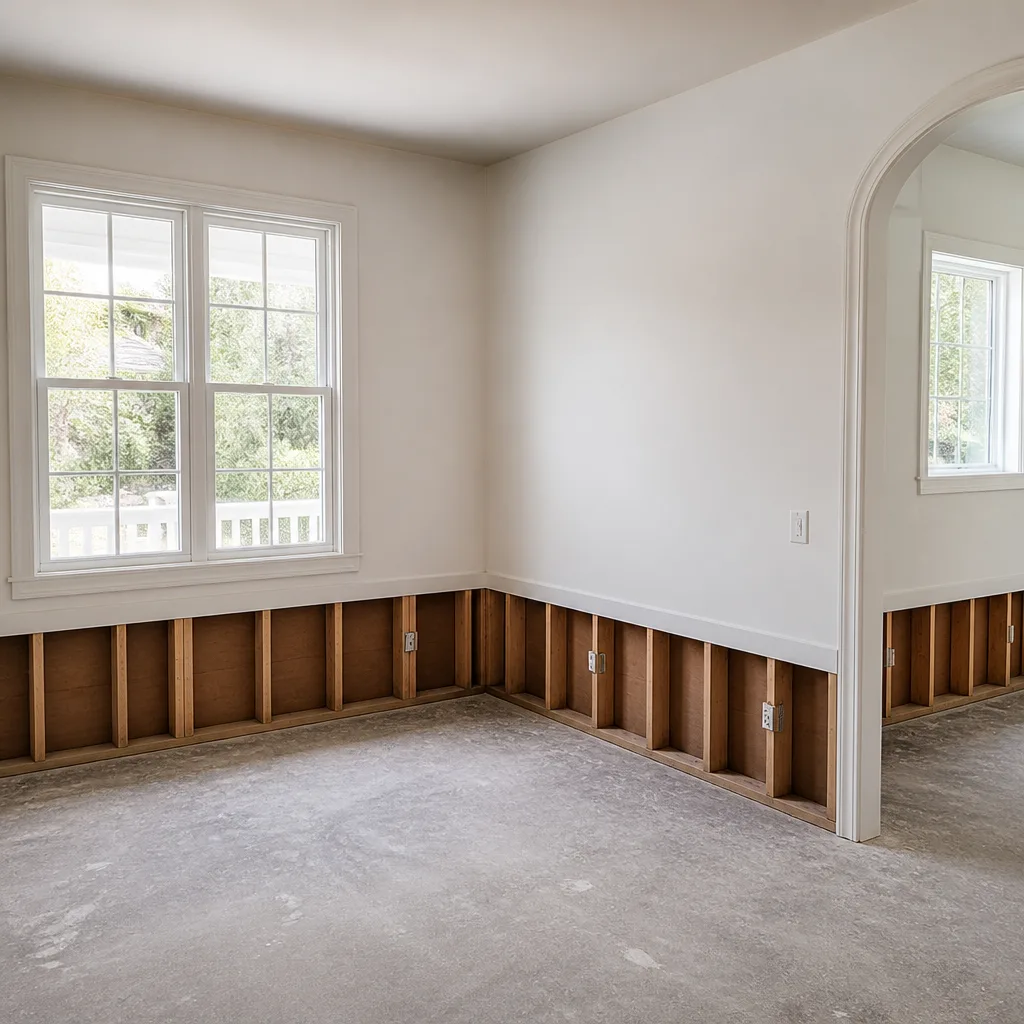
Bathroom Mold Removal in San Antonio Heights usually starts with that dark spotting along the tub surround or behind the toilet, but the real question is whether the colony has moved behind the tile into the wall cavity. In bathrooms built with mid-century green board or plain drywall, once moisture gets behind the surface, the mold has a food source and a dark, humid chamber. We remove affected tile and drywall only as far as the moisture mapping shows is necessary, apply antimicrobial treatment to the framing, and dry the cavity with professional equipment before any rebuilding starts.
Tile Retention Where Safe
Not every bathroom mold issue means ripping out all the tile. If moisture levels in the substrate are low and the visible mold is surface-level, we can often clean and treat the tile without demolition. But if a slab leak or weepy supply line has been feeding the wall cavity, the tile has to come off in that section. We’ll show you the moisture readings and let the data decide.
Exhaust and Humidity Follow-Up
Many San Antonio Heights bathrooms from the 1950s and 1960s were built with undersized or non-functional ventilation. After remediation, we’ll document what we found and recommend exhaust upgrades if the existing fan can’t clear humidity. You don’t have to act on it that day, but ignoring the humidity issue means the next mold bloom is just a season away.
Trusted Brands We Service in San Antonio Heights
San Antonio Heights properties carry an older equipment mix than newer developments down the hill, so our crews stay familiar with legacy plumbing, original framing techniques, and the particular failure patterns of mid-century construction. We run Dri-Eaz dehumidifiers, B-Air air movers, and Injectidry cavity-drying systems so affected wall assemblies dry without unnecessary demolition. That Injectidry capability means we can often save original plaster or drywall that a less-equipped contractor would tear out, which keeps your remediation scope and your repair bill smaller.
Common Mold Remediation Problems We See in San Antonio Heights Homes
- Pinhole leaks in original copper plumbing. Homes from the 1950s through 1970s run supply lines that were never designed for a 60-year service life. A pinhole leak behind a wall can feed mold for weeks before any stain becomes visible on the surface.
- Open ranch floor plans without containment discipline. The classic San Antonio Heights layout flows from living room to kitchen to hall with few air obstruction points. Once spores are disturbed by a fan, they move through the entire house fast.
- Roof and flashing failures after wind events. Santa Ana winds loosen flashing and ridge materials on older roofs, letting rainwater track into attics and down wall cavities. The mold starts in the insulation long before you smell it inside.
- Wildfire-adjacent moisture patterns. After a burn in the steep canyons, altered drainage sends surface water and debris toward homes that previously stayed dry. That water finds crawl spaces and slab edges, and mold follows. San Antonio Heights residents deal with this seasonal rhythm in a way flatter neighborhoods don’t.
See the difference
 Before
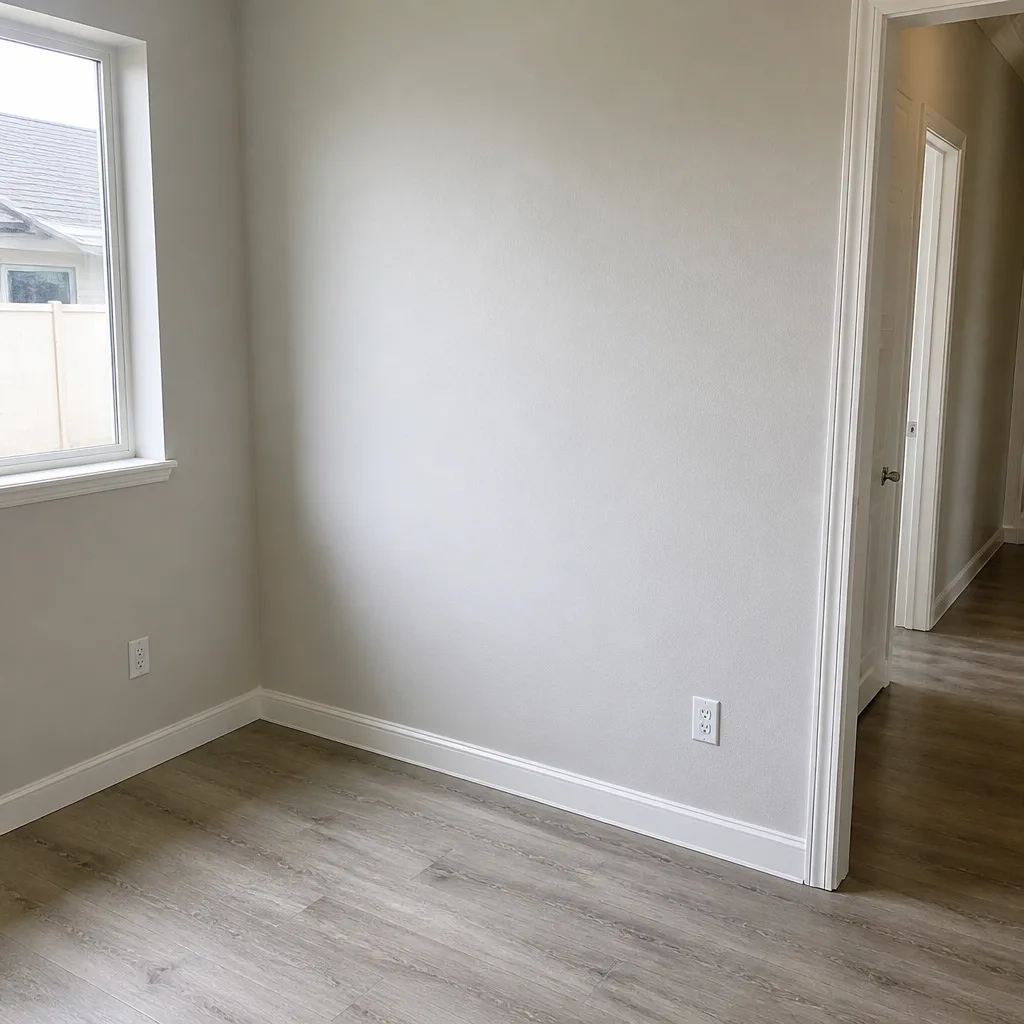 After
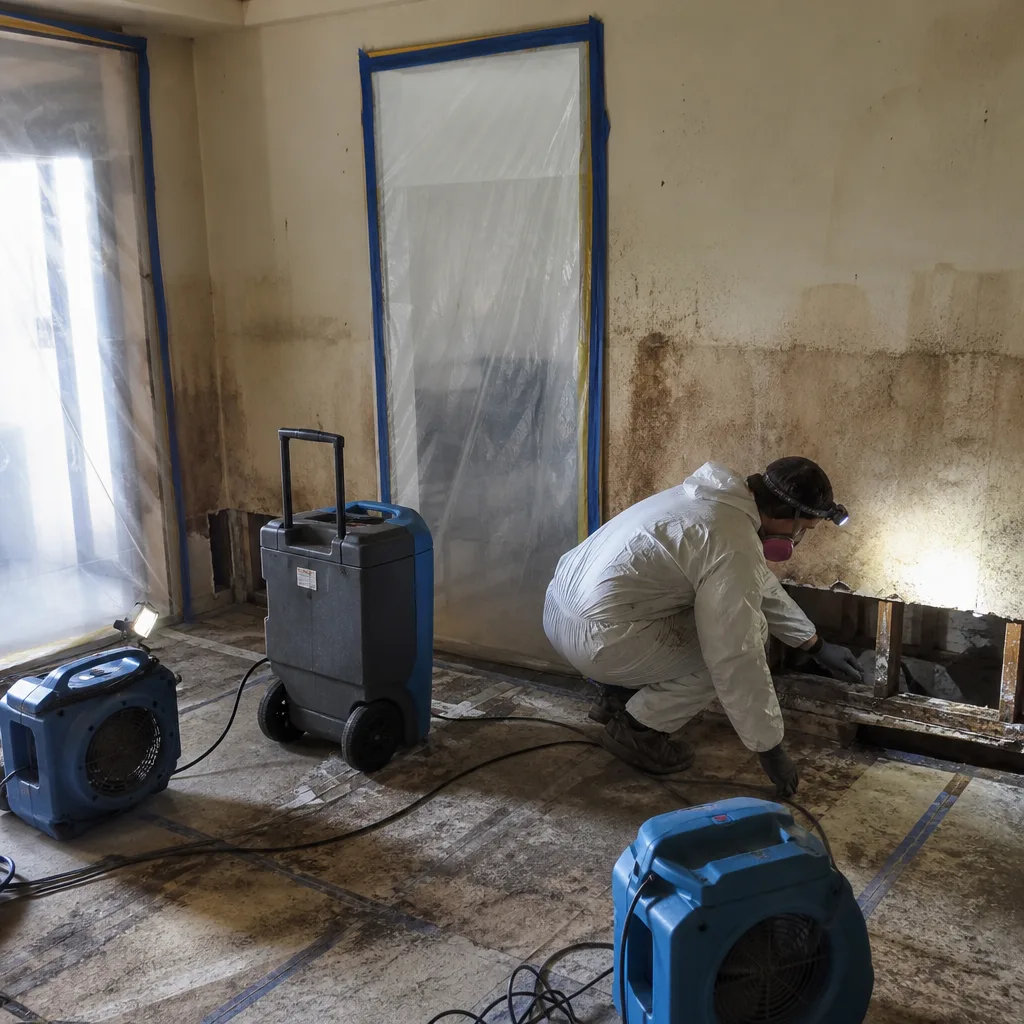 Before
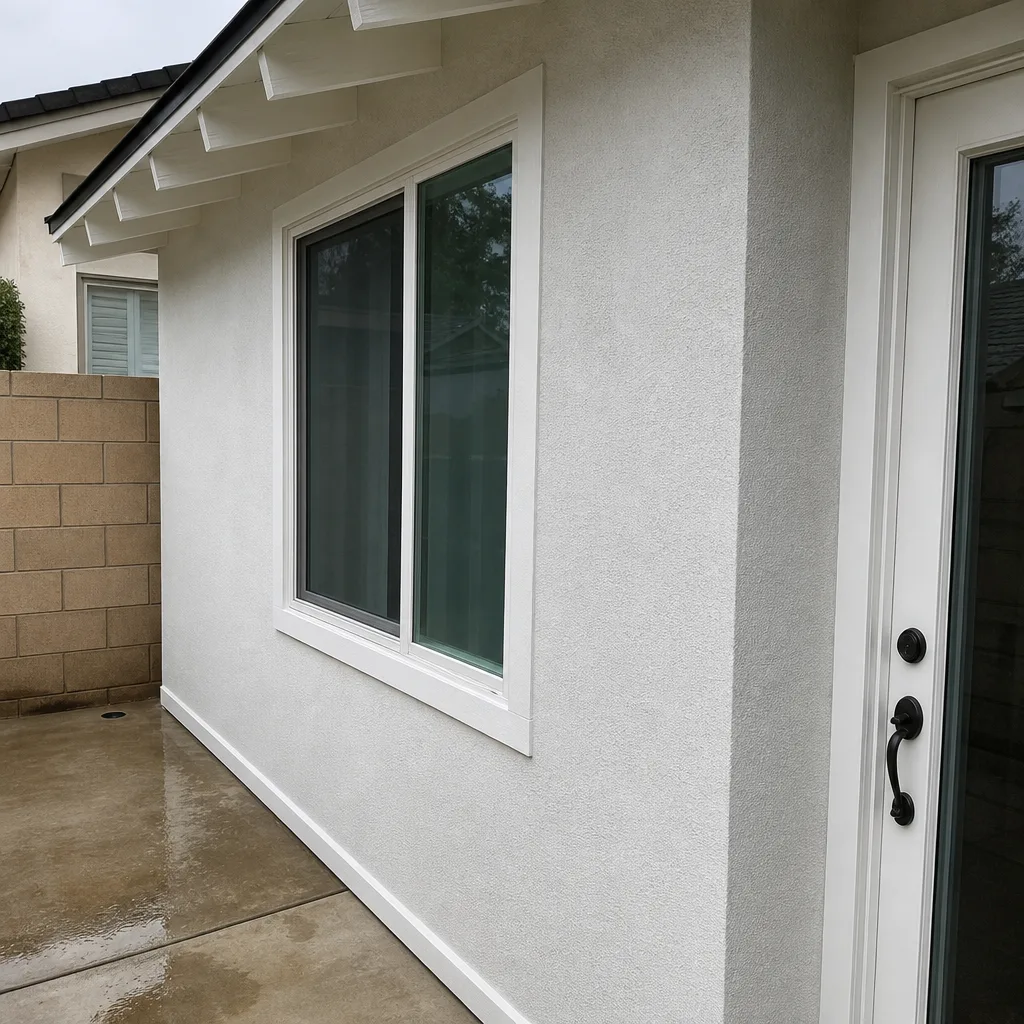 After
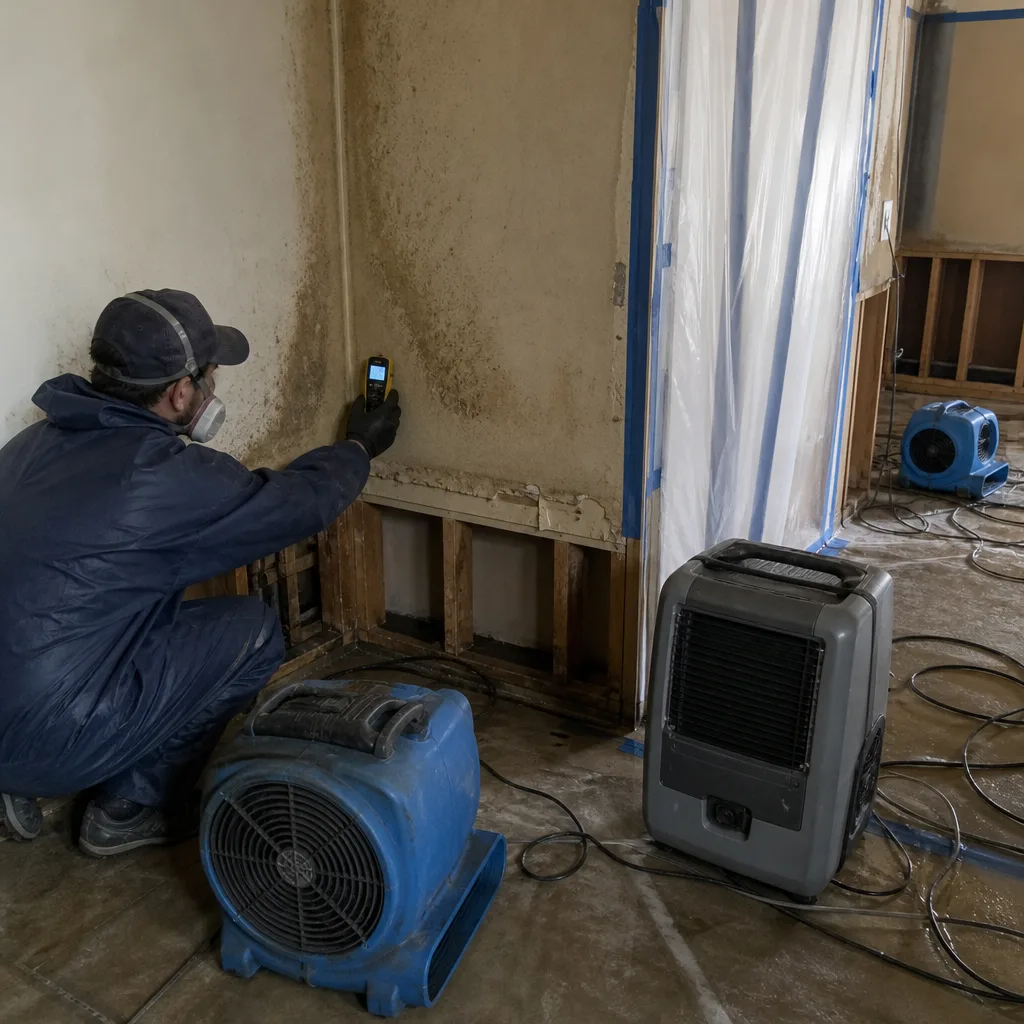 Before
 After
Pricing for Mold Remediation in San Antonio Heights, CA
You should know the numbers before you call anyone. A contained bathroom mold removal in San Antonio Heights typically runs $1,800 to $3,400. A full-room remediation with wall cavity treatment, plumbing chase access, and structural drying lands between $3,500 and $6,500. Crawl space mold treatment adds $1,200 to $2,800 depending on square footage and whether encapsulation is needed. What drives cost: how far the colony has spread, whether framing is structurally compromised, and whether the moisture source is still active. We provide a written scope with photo documentation before any work starts, and we coordinate directly with your insurer if you’re filing a claim. Call (877) 265-8058 for a free estimate based on your specific floor plan and moisture readings.
We Also Serve Cities Near San Antonio Heights
Our crews work throughout the foothill corridor, including Mold Remediation in Upland, Claremont, Rancho Cucamonga, and Montclair. If you manage a property in San Antonio Heights or a neighboring community and have water damage that’s already started to smell musty, we can assess it quickly. One call covers the whole area.
Serving San Antonio Heights, CA — Our Local Coverage Area
We’re based in the San Antonio Heights area and know this community well. Use the map below to see our service coverage — if you’re nearby, we can almost certainly help.
FAQs About Mold Remediation in San Antonio Heights
Mold colonization typically begins within 24 to 48 hours after moisture reaches organic material like drywall paper or wood framing. In a ranch home, a slab leak that wets the bottom plate of a wall can produce hidden mold growth behind baseboards within three to five days, even if you don’t see staining for weeks. If you suspect a slab leak, call us at (877) 265-8058 and we’ll bring moisture mapping equipment to trace the extent before visible mold spreads further.
The housing stock is older on average than Claremont or Rancho Cucamonga, which means more original copper plumbing, more slab-penetration leak risk, and more wall cavities that have never been opened since the house was built. Add the foothill proximity, Santa Ana wind-driven dust, and post-wildfire drainage changes, and you get moisture patterns that flatland suburbs don’t experience.
Yes, when the mold is surface-level and the substrate moisture reading is low. Our IICRC-certified techs clean and treat the affected surfaces and dry the area with contained airflow. But if water has been feeding the wall cavity behind the tile, that section of tile has to come off to treat the structure properly. We’ll show you the meter readings before we remove anything.
Category 2, or gray water, carries some contamination but not sewage; Category 3 is black water, meaning sewage or heavily contaminated flood water. Both feed mold, but Category 3 damage requires more aggressive antimicrobial treatment and often broader demolition because the contaminants accelerate degradation and don’t belong anywhere near living spaces. Call (877) 265-8058 if you’re unsure which category applies to your situation.
Yes. Every job includes daily moisture readings and drying logs that document the structure’s return to pre-loss conditions. Insurers expect this documentation, and we coordinate with your adjuster directly so the claim doesn’t stall. The logs also create a permanent record of what was done if a humidity issue ever recurs.
Call Oxford Restoration Co for Mold Remediation in San Antonio Heights
Mold spreads while you wait, and in a mid-century home with original plumbing, the colony behind your wall is probably larger than the stain on it. Our IICRC-certified team serves San Antonio Heights with same-day response, moisture mapping before any work begins, and written scopes so there are no surprises mid-job. We answer the phone when San Antonio Heights homeowners call, and we’ll walk you through what we’re seeing before we touch anything.
For a free mold assessment in San Antonio Heights, call (877) 265-8058 today. We’ll bring the meters, the containment, and the calm.
Written by Noel Carrasco, Owner at Oxford Restoration Co, serving San Antonio Heights and the surrounding foothill communities with IICRC-certified mold remediation, water damage restoration, and fire damage restoration.